7 Key Advantages of Digital PR for Modern Brands

Digital PR enhances brand credibility, visibility, and SEO through online channels like blogs, social media, and podcasts, driving measurable results and engaging targeted audiences effectively.
Public relations has always been about shaping perception and building relationships. Traditionally, this meant securing a mention in a print magazine or a spot on the evening news. While those avenues still hold value, the landscape has shifted dramatically. Today, the conversation has moved online, and brands that want to stay relevant must follow suit. This is where digital PR comes in.
Digital public relations uses online channels—like news sites, blogs, social media, and podcasts—to boost a company’s reputation and online presence. It combines the core principles of traditional PR with the targeted, measurable strategies of digital marketing. The result is a powerful approach that not only builds brand awareness but also directly contributes to your bottom line. Let’s explore the key advantages of making digital PR a cornerstone of your marketing strategy.
Boosts Your SEO and Search Rankings

One of the most significant benefits of digital PR is its direct impact on Search Engine Optimization (SEO). When high-authority websites write about your brand, they often include a backlink to your site. These backlinks are like votes of confidence in the eyes of search engines like Google.
How Digital PR Improves SEO:
- Builds High-Quality Backlinks: Earning links from reputable news outlets, industry blogs, and established publications signals to Google that your website is a trustworthy source of information. The more quality backlinks you have, the higher your site is likely to rank in search results.
- Increases Domain Authority: Domain Authority (DA) is a search engine ranking score that predicts how likely a website is to rank. Backlinks from sites with high DA can boost your own score, making your entire website more visible online.
- Drives Referral Traffic: A well-placed article or mention doesn’t just improve your rankings; it also sends interested readers directly to your website. This referral traffic consists of a highly engaged audience that is already curious about what you have to offer.
A strong digital PR campaign focused on creating link-worthy content, like original research or insightful commentary, is one of the most effective ways to build a robust backlink profile and climb the search rankings.
Enhances Brand Credibility and Trust
Trust is the foundation of any strong customer relationship. Consumers are more likely to buy from brands they perceive as credible and authoritative. Digital PR is exceptionally effective at building this trust by securing positive mentions from third-party sources.
When a respected journalist, blogger, or industry influencer talks positively about your brand, it acts as a powerful endorsement. This is far more persuasive than traditional advertising because the praise comes from an unbiased source. This third-party validation, often called “earned media,” tells potential customers that your brand is legitimate and valued by experts in the field.
When journalists and industry experts reference your insights, it reinforces authority—one reason many brands view digital PR as a marketing game changer, as outlined in this article on how digital PR transforms brand growth.
Reaches a Wider, More Targeted Audience

While a feature in a national newspaper is great, its reach is limited to its readership. Digital PR breaks down these geographical and logistical barriers, allowing you to connect with a global audience. An article published on a major online news site can be seen by millions of people around the world in a matter of hours.
Digital PR removes geographical barriers and allows brands to reach global and niche audiences simultaneously. By focusing on publications and platforms aligned with your audience, brands can significantly improve engagement—an approach also reflected in targeting the right audiences in digital marketing.
Furthermore, digital PR allows for precise audience targeting. You can focus your efforts on niche blogs, specialized online magazines, and influencers whose followers perfectly match your ideal customer profile. This ensures your message reaches the people who are most likely to be interested in your products or services, leading to higher-quality leads and better conversion rates.
Increases Brand Awareness and Visibility
At its core, PR is about getting your name out there. Digital PR accomplishes this on a massive scale. Every online article, social media mention, and podcast interview creates another touchpoint for your brand, making it more recognizable to your target audience.
Consistent visibility helps keep your brand top-of-mind. When a potential customer is ready to make a purchase, they are more likely to think of the company they’ve seen mentioned across various online platforms. This widespread presence establishes your brand as a significant player in your industry.
Drives More Leads and Sales
Unlike traditional PR, the impact of digital PR can be directly tied to business goals like lead generation and sales. Because most digital PR activities happen online, you can use tracking tools to monitor exactly how people interact with your earned media.
For example, you can track how many people clicked the backlink in a news article and then went on to sign up for your newsletter or make a purchase. By including specific calls-to-action or landing pages in your PR campaigns, you can create a clear path from media mention to conversion. This makes digital PR not just a brand-building exercise, but a measurable driver of revenue.
Many companies now integrate digital PR with SEO and conversion-focused campaigns, using insights similar to those discussed in what digital PR means for SEO.
Digital PR for Thought Leadership and Industry Authority
Becoming a recognized authority in your industry requires consistent effort. Digital PR helps establish thought leadership through guest articles, podcasts, webinars, and interviews.
By sharing insights, predictions, and expertise, brands can influence industry conversations and attract media coverage. Thought leadership campaigns position your company as a go-to source for journalists, bloggers, and influencers, which in turn generates more high-quality backlinks and improves SEO authority.
Offers Measurable Results and ROI
One of the biggest frustrations with traditional PR was the difficulty in measuring its return on investment (ROI). How do you quantify the value of a magazine clipping?
Unlike traditional PR, digital PR provides clear performance data—traffic, backlinks, rankings, engagement, and conversions. Brands that prioritize measurement often rely on structured digital PR services and frameworks to maximize ROI, as outlined in this digital PR services overview.
Digital PR, on the other hand, is highly measurable. You can track a wide range of metrics to gauge the success of your campaigns, including:
- Website Traffic: Monitor increases in referral, direct, and organic traffic.
- Backlink Acquisition: Count the number and quality of new backlinks earned.
- Search Engine Rankings: Track improvements in your rankings for target keywords.
- Social Media Mentions: Measure the volume of conversation and sentiment around your brand.
- Conversion Rates: See how many leads and sales were generated from your PR efforts.
This data allows you to understand what’s working, refine your strategy, and clearly demonstrate the value of your PR activities to stakeholders.
Podcast and Webinar PR
Podcasts and webinars are increasingly popular channels for digital PR. Hosting or participating in these formats allows brands to engage directly with niche audiences and demonstrate expertise in a conversational, approachable manner.
Promoting podcast episodes or webinars through PR outreach ensures media mentions, social shares, and backlinks. These channels also allow brands to build long-term relationships with thought leaders and industry influencers, creating ongoing opportunities for coverage and engagement.
PR in Emerging Technologies
As new technologies like AI, AR/VR, and blockchain gain traction, digital PR can leverage these innovations to create cutting-edge campaigns. For example, a virtual product demo in AR or an AI-driven interactive experience can attract media attention and generate buzz.
Highlighting your brand’s adoption of emerging technologies positions it as forward-thinking and innovative. PR campaigns that incorporate new tech are more likely to be featured in tech blogs, news outlets, and social media, boosting visibility and brand authority.
PR for Brand Storytelling and Heritage

Highlighting a brand’s story, heritage, or founding journey can be a powerful PR tool. Consumers are drawn to authentic narratives that show a brand’s evolution, mission, and values.
Digital PR campaigns that focus on brand storytelling can feature founder interviews, company milestones, or behind-the-scenes content. Such stories humanize the brand, resonate emotionally with audiences, and increase media coverage from outlets interested in inspirational or human-interest angles.
Leveraging Interactive PR Campaigns
Interactive campaigns, such as quizzes, polls, calculators, or gamified experiences, can make PR efforts more engaging and shareable. Interactive content encourages users to actively participate rather than passively consume information.
These campaigns often get amplified by media coverage because they are unique, visually appealing, and data-rich. They also provide valuable audience insights that can inform future marketing and PR strategies, creating a continuous feedback loop.
Leveraging Micro-Moments in Digital PR
Micro-moments are the small instances when consumers turn to their devices for information, inspiration, or quick decisions. Digital PR can target these moments by ensuring your content and media mentions appear in the right context.
For example, a PR campaign that aligns with trending news, seasonal events, or industry conversations can capture attention during these micro-moments. Timely and relevant exposure increases engagement, drives traffic, and positions your brand as responsive and authoritative.
Employee Advocacy and PR
Employees can be some of the most effective brand ambassadors. Encouraging team members to share company news, blog posts, or achievements on their personal social profiles enhances digital PR reach.
Employee advocacy adds authenticity to PR campaigns because messages come from real people rather than the brand itself. When combined with media coverage and influencer partnerships, this approach amplifies visibility, strengthens credibility, and improves trust with target audiences.
Monitoring Competitors Through Digital PR
Digital PR isn’t just about promoting your own brand; it also involves understanding your competitive landscape. By monitoring competitors’ media coverage, backlinks, and social mentions, brands can identify gaps and opportunities in their own campaigns.
Competitive analysis helps refine messaging, find untapped media outlets, and discover trending topics that resonate with your target audience. Being aware of competitors’ PR activities ensures your campaigns remain strategic, relevant, and competitive in the market.
Sustainability and CSR in Digital PR
Corporate Social Responsibility (CSR) and sustainability initiatives are increasingly important in shaping public perception. Highlighting environmental efforts, charitable activities, or community engagement through digital PR can strengthen your brand image.
Sharing CSR stories via media coverage, influencer partnerships, or press releases not only generates positive attention but also aligns your brand with values that resonate with modern consumers. Digital PR campaigns that emphasize social impact build trust, loyalty, and long-term brand equity.
It’s a Cost-Effective Marketing Strategy
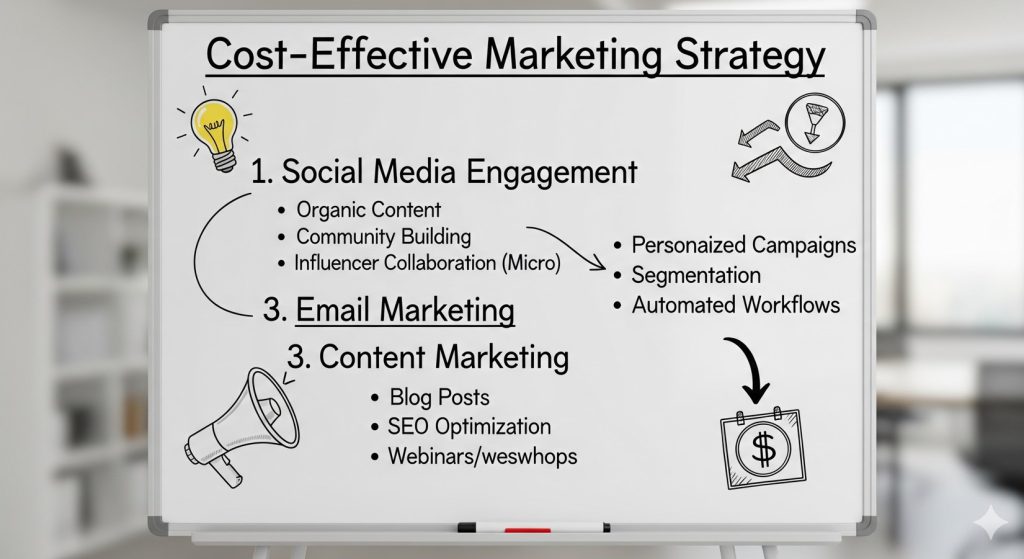
When compared to the costs of paid advertising, digital PR can be a remarkably cost-effective strategy. While a paid ad campaign requires a continuous budget to stay visible, a single, successful piece of earned media can drive traffic and build authority for months or even years after it’s published.
By focusing on creating valuable content and building genuine relationships with journalists and influencers, you can earn media placements that deliver a long-lasting impact without the high price tag of pay-per-click ads or sponsored content.
PR in Emerging Technologies
As new technologies like AI, AR/VR, and blockchain gain traction, digital PR can leverage these innovations to create cutting-edge campaigns. For example, a virtual product demo in AR or an AI-driven interactive experience can attract media attention and generate buzz.
Highlighting your brand’s adoption of emerging technologies positions it as forward-thinking and innovative. PR campaigns that incorporate new tech are more likely to be featured in tech blogs, news outlets, and social media, boosting visibility and brand authority.
The Future of PR is Digital
The shift to a digital-first world requires a new approach to public relations. By embracing digital PR, you can build a stronger online presence, connect with your target audience in meaningful ways, and achieve measurable results that contribute directly to your business goals. It’s no longer just about getting your name in the news; it’s about building a credible, visible, and profitable brand online.
Frequently Asked Questions (FAQ)
What is digital PR, and how does it differ from traditional PR?
Digital PR uses online channels—blogs, news sites, social media, and podcasts—to boost visibility and credibility. Unlike traditional PR, it provides measurable outcomes and can directly impact SEO, traffic, and conversions.
How does digital PR benefit SEO?
By earning high-quality backlinks from reputable sites, digital PR signals authority to search engines, improving domain authority and search rankings while driving referral traffic.
Can digital PR generate leads and sales?
Yes. Digital PR campaigns often include trackable links or landing pages, enabling brands to convert media exposure into measurable business results.
How do I measure the success of a digital PR campaign?
Success can be measured using metrics like website traffic, backlinks, search engine rankings, social mentions, sentiment, engagement rates, and conversions.
Are influencers part of digital PR?
Yes. Influencer collaborations amplify digital PR efforts, providing authentic endorsements and extending reach to highly targeted audiences.
How can digital PR help during a crisis?
Monitoring online conversations and responding quickly allows brands to protect their reputation and maintain trust, reducing the impact of negative events.
What are emerging trends in digital PR?
Key trends include AI-powered monitoring, interactive campaigns, mobile-first strategies, voice search optimization, and predictive analytics for anticipating media opportunities.