Mastering Your Digital PR Strategy: A Complete Guide

Mastering a strong Digital PR Strategy is crucial for businesses to boost online presence, build credibility, and engage effectively with their target audience in today’s digital landscape.
What is Digital PR and Why is it Important
Digital PR is a modern approach to public relations that focuses on building a strong online presence and brand reputation using digital platforms, tools, and actionable insights. Unlike traditional PR, which relies on offline channels like print media, events, or television, digital PR operates predominantly on online platforms, including media websites, social networks, search engines, and influencer networks.
The importance of digital PR lies in its ability to create measurable business impact through various strategic outcomes:
Improving SEO Performance
A well-planned digital PR campaign drives high-quality backlinks from authoritative websites. These backlinks signal credibility to search engines, improve domain authority, and help your website rank higher in search results. Integrating these efforts into a comprehensive Digital PR Strategy ensures that each link contributes to SEO goals effectively.
Building Brand Credibility
Mentions and features on reputable online publications, industry blogs, and influencer pages enhance the credibility and trustworthiness of a brand. A professional Digital PR Strategy ensures your brand is consistently represented in the right context, boosting authority in your niche.
Expanding Audience Reach
Digital PR allows businesses to reach and engage with both native and targeted audiences across multiple online channels. Social media amplification, influencer collaborations, and online press releases help spread your brand message widely, making your Digital PR Strategy an essential part of audience growth.
Driving Qualified Website Traffic
A strategic digital PR campaign doesn’t just generate visibility—it drives relevant traffic to your website or landing pages. By combining storytelling, targeted outreach, and SEO-focused content, your Digital PR Strategy can convert audience engagement into actionable leads and measurable business outcomes.
Supporting Long-Term Growth
Beyond immediate results, digital PR builds a foundation for sustained online authority, audience trust, and brand recognition. A robust Digital PR Strategy ensures that every campaign, backlink, and content piece contributes to long-term digital marketing success.
By understanding the role and benefits of digital PR, businesses can craft a comprehensive Digital PR Strategy that aligns with marketing goals, strengthens online reputation, and drives measurable results.
Developing a Digital PR Strategy
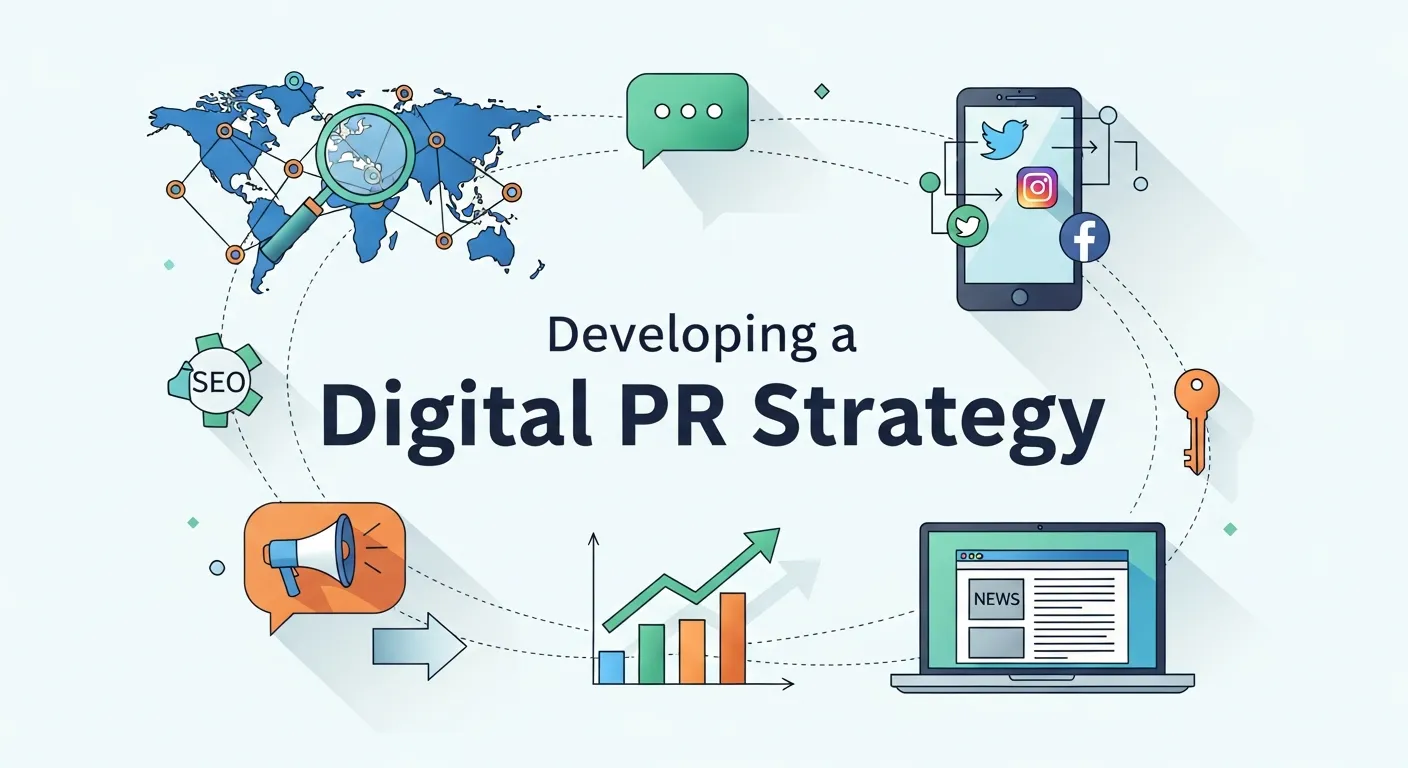
Creating a high-performing Digital PR Marketing strategy requires careful planning, research, and alignment with overall business goals. A well-structured strategy ensures that your efforts generate measurable results, build credibility, and enhance online visibility. The following steps form the foundation of an effective Digital PR Strategy:
Setting Goals and Objectives
The first step in any Digital PR Strategy is to clearly define your goals. Understanding what you want to achieve will guide every decision, from content creation to outreach. Common objectives include:
- Increasing brand awareness: Ensure your target audience recognizes your brand online.
- Enhancing website traffic: Drive qualified visitors to your website through media coverage and backlinks.
- Acquiring backlinks for SEO: Boost your search engine rankings by earning links from authoritative sites.
- Establishing thought leadership: Identify opportunities to position your brand as an expert in your industry.
Having measurable objectives allows you to track progress and adjust your Digital PR Strategy for maximum impact.
Understanding Your Audience
Knowing your audience is essential for the success of a Digital PR Strategy. By understanding your audience’s demographics, interests, and behavior, you can tailor campaigns to their needs. Ask yourself:
- Who are your ideal customers, and what challenges do they face?
- Which platforms do they engage with most—social media, online news portals, or industry blogs?
- What type of content do they share and engage with?
Leverage tools like Google Analytics, social media insights, and customer surveys to build detailed audience personas. This ensures your Digital PR Strategy is highly targeted and resonates with the people you want to reach.
Crafting Compelling Content
Content lies at the heart of any Digital PR Strategy. Without high-quality, engaging content, even the best campaigns can fail. Effective content types include:
- Press Releases: Share key announcements such as product launches, partnerships, or events.
- Interactive Media: Quizzes, infographics, or interactive tools can drive engagement and increase backlinks.
- Thought Leadership Articles: Publish original insights and expert guidance to establish authority in your industry.
Pro tip: Tailor your content to the platform where it will be published. For example, LinkedIn posts might emphasize thought leadership, while infographics can perform better on social media or blog sites. Aligning content with the right platform maximizes the effectiveness of your Digital PR Strategy.
Planning Distribution and Outreach
A strong Digital PR Strategy doesn’t end with content creation. Plan how and where to distribute your content to reach the right audience. Consider:
- Engaging with journalists, bloggers, and industry influencers for earned media coverage.
- Sharing content across social media, newsletters, and online communities.
- Tracking performance metrics to refine your strategy continuously.
Strategically distributing content ensures that your efforts generate backlinks, increase brand visibility, and support SEO objectives.
By following these steps, businesses can build a Digital PR Strategy that not only enhances online presence but also drives measurable traffic, strengthens brand authority, and builds lasting credibility. With research-driven planning, compelling content, and targeted outreach, your campaigns will deliver maximum impact across digital channels.
How to Execute Digital PR Successfully

Once your Digital PR Strategy is defined, the next step is execution. Implementing the right tactics ensures your campaigns reach the right audience, generate high-quality coverage, and strengthen your brand authority. Here are three proven strategies to execute Automotive Digital PR successfully:
Social Media Engagement
Social media is one of the most powerful channels to amplify your Digital PR efforts. It allows brands to engage directly with their audience, share valuable content, and expand reach organically. To maximize social media engagement:
- Identify Key Platforms: Focus your efforts where your audience is most active. For example, LinkedIn works well for B2B brands, while Instagram and TikTok excel for lifestyle or consumer-focused sectors.
- Share Content Regularly: Consistency is key. Post updates, company news, blogs, and other resources while responding promptly to comments and messages to foster engagement.
- Collaborate with Partners: Partner with like-minded businesses, creators, or organizations to run co-branded campaigns, which expands your reach and reinforces brand credibility.
Social media engagement helps build relationships, earn attention from media outlets, and create opportunities for backlinks, all of which reinforce your Digital PR Strategy.
Influencer Outreach
Influencers can amplify your message authentically and reach highly targeted audiences. A successful influencer collaboration requires planning and clear communication:
- Discover the Right Influencers: Use platforms like Upfluence, AspireIQ, or Traackr to identify influencers whose values, audience, and niche align with your brand.
- Pitch Collaborations Clearly: Set expectations for messaging, deliverables, and goals. Providing guidelines ensures the content aligns with your brand’s voice and PR objectives.
- Measure Results: Track engagement, reach, website traffic, and conversions resulting from influencer-shared content to assess campaign performance and optimize future initiatives.
Influencer partnerships can enhance brand credibility, drive traffic, and contribute to high-quality backlinks, making them a valuable part of your Digital PR execution.
Content Distribution
Creating great content is only half the battle; getting it in front of your target audience is equally important. Effective content distribution amplifies reach and strengthens your PR efforts:
- Press Release Distribution: Use services like PR Newswire, Business Wire, or GlobeNewswire to publish press releases in high-authority publications.
- Content Syndication: Platforms like Taboola, Outbrain, or industry-specific networks help push your content to audiences likely to engage and share.
- Engage Online Communities: Share articles in relevant forums, niche blogs, and social media groups. This increases exposure, builds backlinks, and encourages meaningful conversations around your brand.
Proper content distribution ensures your campaigns not only capture attention but also create measurable impact, driving traffic, improving brand visibility, and supporting SEO objectives.
By combining social media engagement, influencer outreach, and strategic content distribution, your Digital PR campaigns can effectively reach the right audiences, enhance credibility, and generate tangible results. A structured execution plan ensures every effort contributes to your overarching Digital PR Strategy, helping your brand grow online while maintaining authority in your industry.
Measuring Digital PR Success
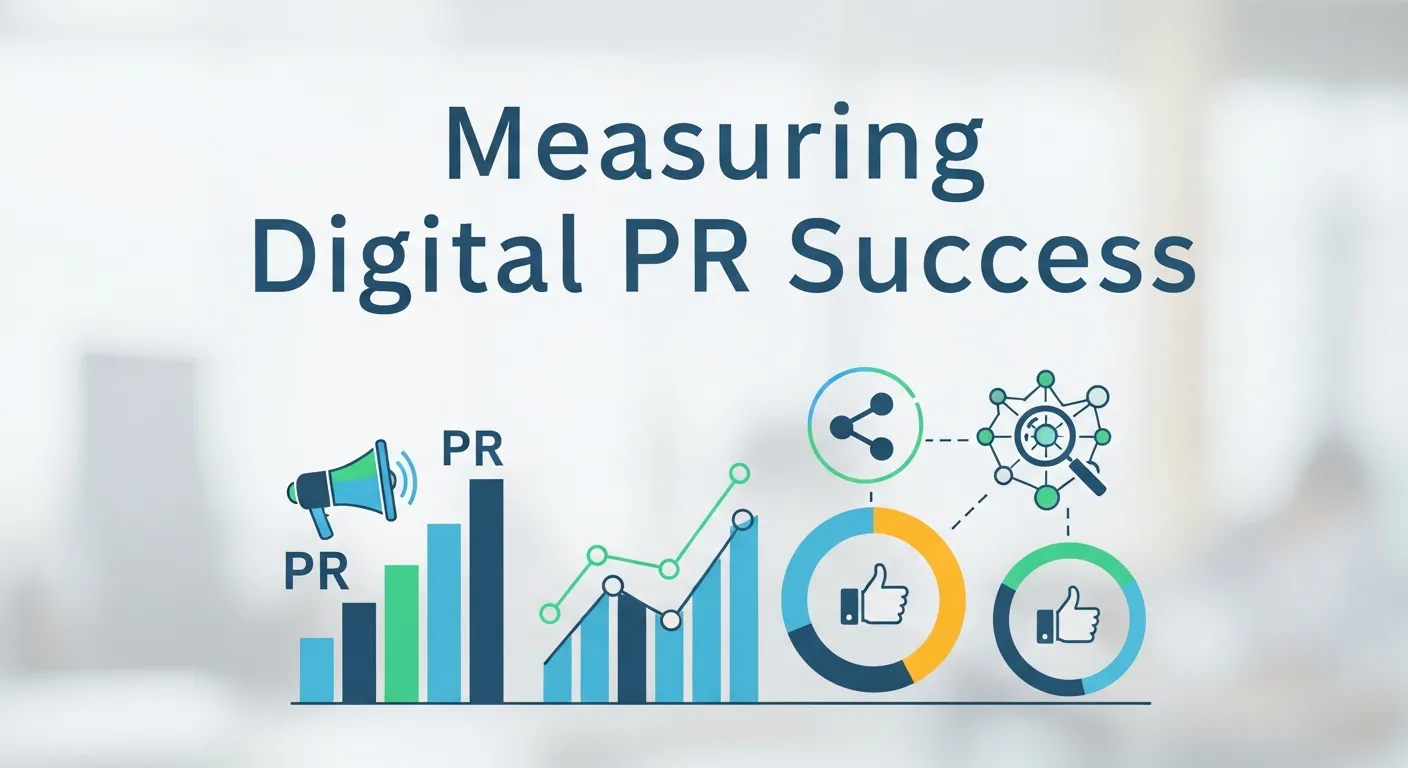
You can’t improve what you don’t measure. Assessing the performance of your Digital PR campaigns is critical to understanding their impact on your business goals and refining your Digital PR Strategy for better results. By tracking key metrics and analyzing data, you can make informed decisions, optimize future campaigns, and demonstrate measurable ROI.
Key Performance Metrics
Establishing clear KPIs aligned with your objectives is essential. These metrics help you evaluate the effectiveness of your Digital PR efforts:
- Reach: Measure how many impressions or views your content receives across websites, social media, and media placements. A wider reach indicates growing brand visibility.
- Engagement: Track interactions such as likes, shares, comments, and clicks. High engagement reflects how well your audience resonates with your content and messaging.
- Inbound Links: Count the number and assess the quality of backlinks earned from authoritative sites. These links not only drive referral traffic but also enhance SEO performance.
- Referral Traffic: Monitor visitors coming to your website from mentions, press releases, influencer posts, or online articles. Referral traffic demonstrates the direct impact of your campaigns on attracting potential clients or customers.
Analytics Tools
Using the right tools makes tracking and analyzing results much easier:
- Google Analytics: Track referral traffic, on-site behavior, and conversions to see how Digital PR campaigns influence audience engagement.
- SEMrush or Ahrefs: Monitor backlinks, domain authority, and keyword rankings to evaluate SEO benefits of your Digital PR initiatives.
- Brand24 or Mention: Track media mentions, social conversations, and brand sentiment to understand your reach and reputation online.
Regularly reviewing these metrics enables you to identify which types of content perform best, which influencers or publications drive results, and where your strategy may need adjustments. By integrating data-driven insights into your Digital PR Strategy, you ensure continuous improvement, maximize visibility, and achieve measurable business growth.
What Role Does Digital PR Play in the Future of Communication?
Digital PR is no longer just a nice-to-have for businesses—it has become an essential strategy for growth in today’s hyper-connected world. Brands that prioritize digital PR today are positioning themselves for long-term visibility, credibility, and competitive advantage. The future of digital PR is particularly exciting, with emerging trends such as AI-powered content creation, data-driven insights, and advanced analytics transforming how businesses plan, execute, and measure their campaigns.
Businesses that integrate these modern tools into their digital PR strategy can produce more targeted content, gain deeper audience insights, and optimize campaigns for maximum impact. Combining innovative approaches with measurable outcomes ensures that your efforts are not just creative, but also strategically effective.
If you’re ready to elevate your brand, start by assessing your current digital PR performance, identifying opportunities for improvement, and implementing the steps outlined in this guide. Blending creativity with analytics will not only strengthen your campaigns but also help your brand stand out in a crowded digital landscape, drive meaningful engagement, and deliver measurable results.
For a comprehensive explanation of how financial and digital inclusion contribute to economic growth and equitable access to financial services, explore our in-depth overview of financial and digital inclusion.
FAQ
What is a Digital PR Strategy?
A Digital PR Strategy is a structured plan that combines content creation, media outreach, social engagement, and SEO to enhance online visibility, credibility, and brand authority. It aligns PR efforts with business goals to generate measurable results.
Why is a Digital PR Strategy important for businesses?
A strong strategy helps businesses build credibility, increase website traffic, earn high-quality backlinks, and expand audience reach. It ensures campaigns are targeted, measurable, and deliver long-term growth.
How does Digital PR support SEO?
Digital PR generates high-quality backlinks from authoritative websites and mentions in reputable media. These links boost search engine rankings, domain authority, and organic traffic, integrating PR efforts with SEO goals.
What are the key components of a Digital PR Strategy?
Core elements include content creation (blogs, press releases, infographics), social media engagement, influencer partnerships, content distribution, and online reputation management. Each element works together to enhance visibility and credibility.
How can businesses measure the success of their Digital PR campaigns?
Track KPIs like website traffic, engagement rates, inbound links, referral traffic, and media mentions. Tools like Google Analytics, SEMrush, Ahrefs, and Brand24 help monitor performance and optimize future campaigns.
Which tactics are most effective in executing a Digital PR Strategy?
Social media engagement, influencer collaborations, and strategic content distribution are highly effective. These tactics amplify reach, strengthen brand authority, and generate measurable impact.
What trends are shaping the future of Digital PR?
The future includes AI-powered content creation, data-driven insights, advanced analytics, and personalized campaigns. These innovations help brands optimize strategy, target audiences more accurately, and measure ROI effectively.