How to Do Digital PR: A Complete Guide for Modern Brands

Digital PR blends traditional public relations with digital marketing to help brands build authority, earn high-quality media coverage, and improve search visibility. By creating newsworthy content, building strong media relationships, and tracking performance through analytics and backlinks, businesses can increase brand awareness, drive targeted traffic, and support long-term growth. When executed strategically, digital PR becomes a powerful engine for credibility, SEO, and sustainable online success.
What is Digital PR?
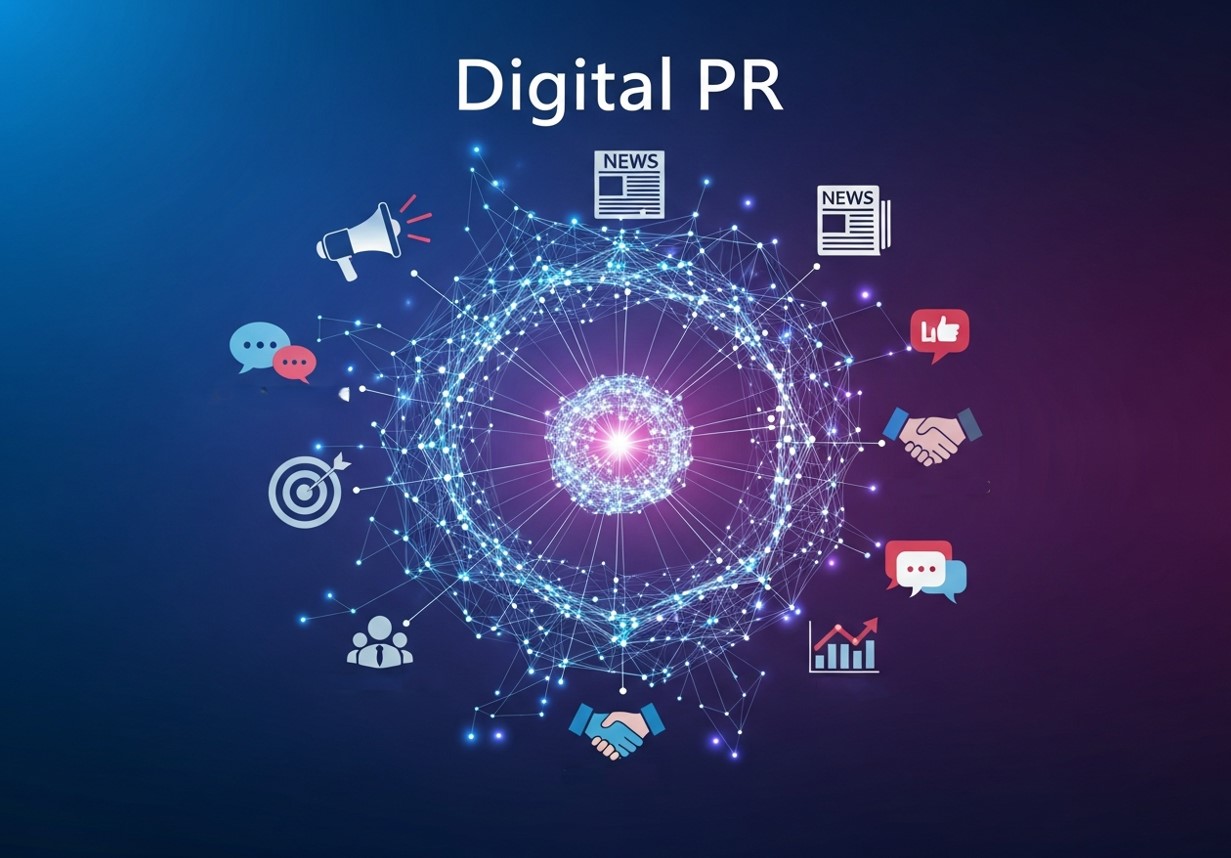
Digital PR combines traditional public relations tactics with digital marketing strategies to build brand awareness, credibility, and online visibility. It focuses on earning coverage and mentions across digital platforms, including online publications, blogs, podcasts, social media, and industry websites.
The primary goal of digital PR is to secure high-quality backlinks, increase brand mentions, and improve search engine rankings while building genuine relationships with journalists, influencers, and key stakeholders in your industry.
Key Differences Between Traditional and Digital PR
Traditional PR typically involves pitching stories to print newspapers, magazines, radio stations, and television networks. Digital PR expands this approach to include online-first publications, digital-native journalists, bloggers, podcasters, and social media influencers.
Digital PR also offers better measurement capabilities. You can track link placements, monitor brand mentions, analyze referral traffic, and measure the direct impact on your website’s search engine performance.
Building Your Digital PR Strategy
Define Your Objectives
Before launching any digital PR campaign, establish clear, measurable goals. Common objectives include:
- Increasing brand awareness and recognition
- Improving search engine rankings through quality backlinks
- Driving referral traffic to your website
- Building thought leadership in your industry
- Managing or improving brand reputation
- Supporting product launches or company announcements
Identify Your Target Audience
Understanding your audience is crucial for effective digital PR. Consider both your end customers and the intermediaries who can help you reach them—journalists, bloggers, influencers, and industry experts. This approach is especially effective when digital PR is aligned with content marketing, as outlined in this digital PR and content marketing success guide.
Create detailed personas for each group, including their preferred communication channels, content consumption habits, and the types of stories that resonate with them.
Research Your Media Landscape
Compile a comprehensive list of digital publications, websites, and influencers relevant to your industry. This includes:
- Industry-specific online publications
- General business and technology websites
- Influential blogs and personal websites
- Podcasts in your niche
- Social media influencers and thought leaders
- Journalists who cover your industry
Use tools like HARO (Help a Reporter Out), Muck Rack, or Prowly to identify and connect with relevant media contacts.
Content Creation for Digital PR

Develop Newsworthy Content
Developing newsworthy content is the cornerstone of any effective digital PR strategy. Journalists and publishers are constantly looking for stories that inform, educate, or offer fresh perspectives. Data-led campaigns are particularly effective, especially when the goal is earning high-quality backlinks with digital PR
To achieve this, think like a publisher rather than a marketer. Consider what makes a story timely, relevant, and useful to readers, such as original research, expert analysis, or unique viewpoints backed by credible data. Content that is well-researched, clearly presented, and aligned with current topics increases the likelihood of media pickup while positioning your brand as a trusted and authoritative source within your industry.
Data-Driven Stories: Original research, surveys, and industry reports often generate significant media interest. Journalists appreciate access to exclusive data that supports their reporting.
Expert Commentary: Position your leadership team as industry experts by offering insights on trending topics, regulatory changes, or market developments.
Company Milestones: Significant achievements, partnerships, funding rounds, or expansion announcements can generate media coverage when presented compellingly.
Create Compelling Press Releases
Write press releases that follow journalistic standards and provide clear value to readers. Include:
- A strong headline that captures attention
- A compelling lead paragraph answering who, what, when, where, and why
- Supporting quotes from relevant executives or experts
- Background information and context
- Clear contact information for follow-up
Remember that digital press releases should be optimized for online consumption, with shorter paragraphs and strategic keyword placement.
Leverage Visual Content
Visual elements significantly increase the likelihood of media pickup. Consider creating:
- Infographics that illustrate key data points
- High-quality images and graphics
- Video content for multimedia stories
- Interactive elements like calculators or quizzes
Building Media Relationships
Personalized Outreach
Personalized outreach is one of the most critical factors in successful digital PR campaigns. Journalists receive dozens, sometimes hundreds, of pitches every day, and generic, templated emails are easy to ignore. Taking the time to research individual journalists shows respect for their work and significantly increases your chances of getting a response. By understanding the topics they consistently cover, the angle they prefer, and the type of sources they typically quote, you can position your story in a way that feels relevant rather than intrusive.
Go beyond basic personalization by reading their recent articles, noting their tone and storytelling style, and identifying gaps or follow-up angles they may be interested in exploring. When referencing their past work, be specific and genuine, clearly explaining how your story complements their coverage and adds value for their audience. This thoughtful approach not only improves short-term pitch success but also helps build long-term relationships that can lead to repeat coverage over time.
Timing Your Pitches
Timing can make or break your digital PR efforts. Consider:
- News cycles and current events that might overshadow your story
- Industry conference schedules and trade show calendars
- Seasonal trends relevant to your business
- Publication deadlines and editorial calendars
Tuesday through Thursday mornings often yield the best response rates, though this can vary by industry and publication type.
Following Up Professionally
A single pitch rarely guarantees coverage. Develop a systematic follow-up approach:
- Wait at least one week before following up on initial pitches
- Provide additional value or new angles in follow-up communications
- Respect journalists’ time and preferences
- Track your outreach efforts to avoid duplicate contacts
Measuring Digital PR Success
Tracking performance is essential to refining your strategy over time. In addition to media mentions and backlinks, brands should assess how campaigns influence traffic, engagement, and conversions. Many teams use dedicated platforms, such as Ahrefs or SEMrush, and even apply insights from guides like SEMrush for digital PR to evaluate link quality and competitive positioning.
Key Performance Indicators
Track metrics that align with your original objectives:
Brand Awareness Metrics:
- Media mentions and reach
- Social media engagement and shares
- Brand search volume increases
SEO Metrics:
- Number and quality of backlinks earned
- Improvement in search rankings
- Organic traffic increases
Website Performance:
- Referral traffic from media placements
- Conversion rates from PR-driven traffic
- Lead generation from media coverage
Tools for Measurement
Utilize both free and paid tools to track your digital PR performance:
- Google Analytics for traffic and conversion tracking
- Google Search Console for search performance monitoring
- Social media analytics platforms
- Media monitoring tools like Mention or Brand24
- SEO tools such as Ahrefs or SEMrush for backlink analysis
Advanced Digital PR Tactics

Newsjacking
Newsjacking involves closely monitoring breaking news, trending topics, and industry developments to identify timely opportunities where your brand can contribute meaningfully to the conversation. Rather than simply reacting to headlines, successful newsjacking requires adding real value by offering expert insights, data-backed opinions, or a unique perspective that helps journalists and audiences better understand the story. When executed well, your brand becomes a trusted source during moments of high public interest, increasing the likelihood of media coverage and social sharing. The key is speed combined with relevance—responding quickly while ensuring your message aligns naturally with the topic and reinforces your brand’s expertise rather than appearing forced or promotional.
Thought Leadership Content
Establish your executives as industry thought leaders through:
- Guest posting on authoritative industry websites
- Speaking at virtual conferences and webinars
- Participating in podcast interviews
- Contributing to industry reports and whitepapers
Crisis Communication
Develop protocols for addressing negative coverage or industry crises. Quick, transparent, and authentic responses can help protect your brand reputation and demonstrate leadership during challenging times.
Influencer Partnerships
Collaborate with industry influencers, bloggers, and content creators who align with your brand values. These partnerships can extend your reach and provide authentic third-party endorsements.
Common Digital PR Mistakes to Avoid
Focusing Only on High-Authority Sites
Securing coverage in major publications and industry-leading websites can be highly valuable for brand credibility and SEO, but focusing exclusively on these outlets can limit your overall impact. Smaller, niche websites often cater directly to your specific audience and can deliver highly targeted traffic that is more likely to convert. These niche sites tend to have loyal readerships who trust their content, making mentions on these platforms more influential than a fleeting feature in a larger publication.
Additionally, smaller sites may be more open to featuring in-depth stories, interviews, or case studies, providing more creative freedom for your brand. Combining coverage across both high-authority and niche publications creates a balanced approach, maximizing reach, relevance, and engagement while ensuring your digital PR efforts connect with the right people.
Neglecting Relationship Building
Digital PR isn’t just about getting one-off mentions—it’s about cultivating long-term relationships with journalists, bloggers, influencers, and industry experts. These connections become invaluable over time, as journalists who know and trust your brand are more likely to feature your stories promptly and with more depth.
Relationship building involves consistent engagement, such as sharing relevant insights, commenting on articles, or providing early access to news and reports. Even when you don’t have an active PR campaign, maintaining contact shows professionalism and reliability. Strong relationships can also lead to collaboration opportunities, guest articles, and expert quotes, turning one-time media interactions into ongoing, mutually beneficial partnerships.
Ignoring Local and Regional Media
Many businesses underestimate the power of local and regional digital publications, focusing only on national or global outlets. Local media can be a strategic starting point, particularly for small or geographically-focused businesses. These outlets often have a highly engaged, community-based readership, meaning that coverage can translate into loyal customers and immediate business impact.
Regional journalists and bloggers are often more accessible and responsive than national outlets, making it easier to pitch stories, secure interviews, or run co-branded campaigns. In addition, local coverage can enhance your brand’s credibility in your specific market, which can be a stepping stone to larger national campaigns later. Combining local, regional, and national media coverage ensures a well-rounded, scalable digital PR strategy.
Overlooking Content Optimization
Driving traffic through digital PR is only half the battle—if your website and content aren’t optimized, you risk losing the visitors you worked so hard to attract. Optimized content ensures that PR-driven visitors find relevant, easy-to-navigate pages that guide them toward engagement or conversion.
This includes clear calls-to-action that prompt readers to sign up, purchase, or learn more; mobile-friendly layouts that ensure seamless browsing on all devices; fast-loading pages to prevent visitor drop-off; and strategically placed links to related resources or blog posts. Additionally, aligning your landing pages with the story or campaign being promoted in PR materials improves user experience and boosts the likelihood of turning attention into action.
Getting Started with Your Digital PR Journey
Digital PR success requires patience, persistence, and strategic thinking. Start by auditing your current online presence, identifying your most compelling stories, and building a targeted media list.
Focus on quality over quantity—securing a few high-impact placements often delivers better results than pursuing numerous low-value mentions. Remember that digital PR is an ongoing process, not a one-time campaign.
As you implement these strategies, continuously measure your results and refine your approach based on what works best for your specific industry and audience. The digital landscape evolves rapidly, so staying adaptable and informed about new platforms and opportunities will help ensure your long-term success.
Digital PR helps modern brands build authority and earn high-quality media coverage, while e-commerce marketing solutions focus on driving traffic and conversions for online stores. By combining strong brand visibility with performance-driven strategies, you can create a growth engine that scales both awareness and sales.
Frequently Asked Questions (FAQ)
What is the main goal of digital PR?
The primary goal of digital PR is to build brand visibility, earn high-quality backlinks, and increase online credibility while fostering relationships with journalists, influencers, and key industry stakeholders.
How does digital PR differ from traditional PR?
Unlike traditional PR, which relies on print and broadcast media, digital PR focuses on online platforms, social media, blogs, podcasts, and influencer partnerships. It also allows for better measurement of impact through analytics and backlinks.
Can digital PR improve SEO?
Yes. Securing backlinks from reputable online publications and websites signals authority to search engines, which can boost search rankings and drive organic traffic.
How long does it take to see results from digital PR?
Results can vary. Media coverage and backlink acquisition may show early impact within weeks, but building a strong brand presence, thought leadership, and long-term SEO benefits typically take several months.
Is influencer marketing part of digital PR?
Yes. Collaborating with influencers and industry content creators can extend reach, provide authentic endorsements, and complement traditional PR efforts.
What metrics should I track to measure digital PR success?
Track metrics such as media mentions, backlinks earned, referral traffic, social media engagement, brand search volume, and leads generated from PR-driven campaigns.