Emerging AI-Powered Tools for Digital PR: Boost Your Brand’s Visibility

AI is transforming digital PR by automating media monitoring, outreach, and analytics, allowing teams to work smarter, personalize campaigns, and measure impact while keeping human creativity central.
In today’s fast-paced online environment, digital PR professionals must move beyond traditional press releases and manual outreach. Artificial intelligence (AI) and automation are transforming how brands connect with media outlets, influencers, and target audiences. By harnessing AI-powered tools, PR teams can analyze vast amounts of data, identify story opportunities in real time, personalize pitches, and measure campaign impact with unprecedented precision. This comprehensive guide explores the evolution of digital PR, highlights cutting-edge AI tools, and offers best practices for integrating automation into your next campaign.
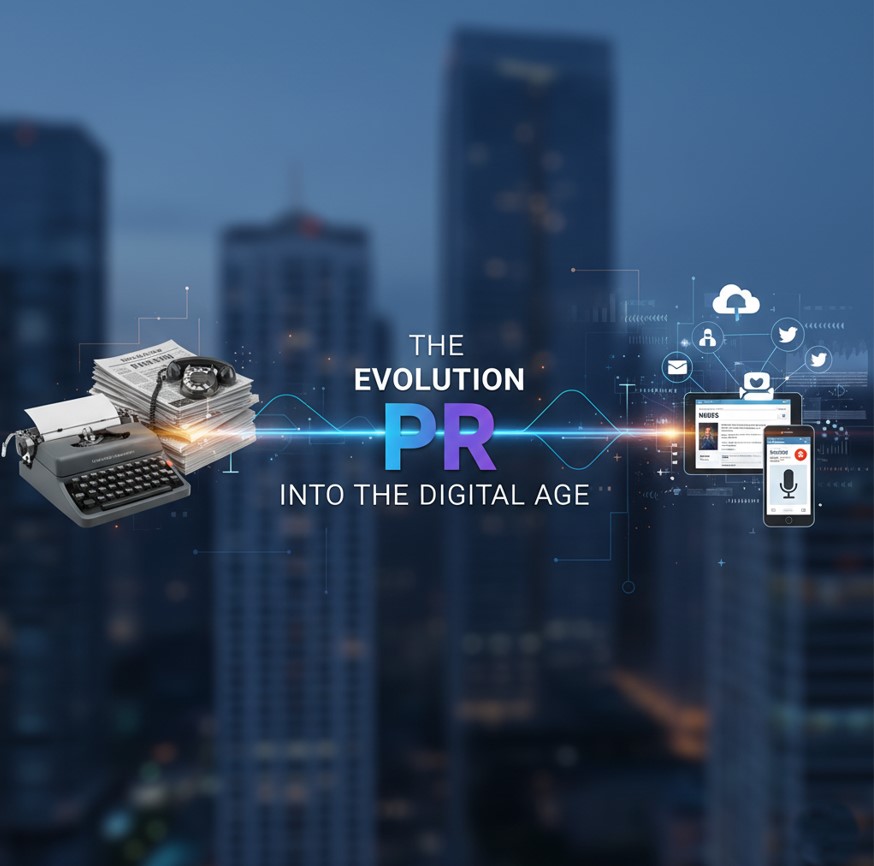
The Evolution of PR Into the Digital Age
Public relations has undergone a dramatic shift over the past decade. Once dominated by faxed press releases and mass media lists, the discipline now demands multichannel storytelling across websites, blogs, social platforms, podcasts, and video channels. Media monitoring services replaced manual clippings, while influencer partnerships complemented earned media coverage. Digital PR blends creative narrative with data-driven insights, enabling brands to target highly specific audiences and amplify earned coverage organically. Yet manual processes can be time-consuming and prone to human error. This is where AI and automation technologies step in, allowing PR practitioners to scale efforts while maintaining quality and personalization.
The Rise of AI in Digital PR
AI in digital PR leverages machine learning, natural language processing (NLP), and predictive analytics to streamline tasks and uncover strategic opportunities. Rather than sifting through thousands of journalist databases manually, AI platforms can identify the most relevant contacts based on topic expertise, tone, and past coverage. Automated sentiment analysis helps PR teams monitor brand reputation in real time, alerting stakeholders to potential crises or positive brand mentions. Predictive tools forecast campaign performance, enabling teams to allocate budgets more effectively.
For insights into AI’s role in boosting visibility, you can explore AI Tools for Digital PR to Boost Brand Visibility.
Top AI-Powered Tools for Digital PR
Below is a curated list of leading AI and automation solutions that can elevate your digital PR efforts:
- AI-Driven Media Databases
Platforms like Prowly and Muck Rack now incorporate AI algorithms to rank journalists by engagement, beat relevance, and average response time. This ensures more accurate targeting and higher outreach success rates. - Automated Press Release Generators
Tools such as Automated Insights and Pressbox use NLP to draft first-pass press releases, headlines, and boilerplates, reducing writing time and enabling teams to focus on message strategy. For a broader discussion on how press releases fit into modern campaigns, see Digital PR Beyond Press Releases. - Sentiment and Trend Analysis
AI-powered monitoring services like Brandwatch and Talkwalker analyze social media, newswire feeds, and forums in real time. They detect sentiment shifts and trending topics, helping PR teams pivot messaging instantly. - Personalized Outreach Engines
Solutions such as Pitchly AI and Respona scan content preferences and previous coverage to craft personalized email pitches. Open and response rates increase when each message resonates uniquely with the recipient. - Media Impact Scoring
Platforms like NewsWhip use predictive analytics to estimate the potential reach, engagement, and backlink value of earned media placements before you invest resources in outreach.
Automating Outreach and Monitoring Workflows
Automation frameworks can handle routine PR tasks, enabling teams to scale coverage and maintain consistent follow-up. Consider these automated workflows:

- Scheduled Media Alerts
Set up AI-driven media monitoring to alert you instantly when relevant keywords or competitor mentions appear. Automated email notifications ensure no story opportunity is missed. - Drip Campaign Sequencing
Use automation tools like Mailchimp or HubSpot to send a series of personalized follow-up emails to journalists and influencers, triggered by open rates or link clicks. - Social Media Publishing
Automate the distribution of earned coverage across social channels using tools like Buffer or Hootsuite. Schedule posts at peak engagement times identified by AI analytics. - Report Generation
Leverage AI-enabled reporting platforms to compile coverage summaries, share of voice metrics, and sentiment trends. Automated dashboards keep stakeholders informed in real time.
Measuring Results with AI Analytics
Quantifying the impact of digital PR has never been easier. Traditional metrics like media impressions now coexist with advanced KPIs powered by AI analytics. Key performance indicators include:
- Predictive Share of Voice
AI forecasts your brand’s share of conversation within your industry, comparing past performance to future projections. - Engagement Quality Score
Machine learning models evaluate the depth of audience interaction—comments, shares, and time spent on page—to measure content resonance. - Link Equity Estimation
AI tools assign value to backlinks earned through PR placements, predicting SEO benefits over time. - Crisis Probability Index
Real-time sentiment tracking and network analysis help gauge the likelihood of negative publicity escalating into a full-blown crisis.
Challenges and Ethical Considerations
While AI offers tremendous advantages, it also raises important questions around data privacy, algorithmic bias, and transparency. PR professionals should:
- Vet data sources to ensure compliance with privacy regulations (e.g., GDPR, CCPA).
- Monitor AI recommendations for unintended bias in journalist selection or sentiment analysis.
- Maintain human oversight to ensure messaging authenticity and brand integrity.
- Be transparent with partners and stakeholders about AI usage in campaign workflows.
Best Practices and Future Outlook
To maximize ROI from AI in digital PR, teams should adopt a hybrid approach that balances automation with human creativity. Best practices include:
- Continuous Training
Regularly update AI models with new data to improve targeting accuracy and sentiment detection. - Cross-Functional Collaboration
Align PR, marketing, and data science teams to share insights and refine strategies collaboratively. - Scalable Experimentation
Run A/B tests on subject lines, content formats, and posting schedules to let AI algorithms optimize for best results. - Ethical Guardrails
Establish policies that govern the ethical application of AI, protecting brand reputation and stakeholder trust.
Looking ahead, AI will continue to evolve, enabling more immersive storytelling through virtual press conferences, AI-generated spokespeople, and hyper-personalized media experiences. Early adopters who embrace these innovations will gain a competitive edge in an increasingly crowded digital landscape.
Leveraging AI for Real-Time Media Monitoring
One of the most transformative applications of AI in digital PR is real-time media monitoring. Traditional media tracking often relied on daily or weekly reports, leaving brands unaware of emerging stories until after they gained traction. AI-enabled platforms, however, continuously scan news articles, blogs, podcasts, and social media channels to detect mentions, trends, and shifts in public sentiment as they happen.
These tools not only alert PR teams to potential opportunities or threats but also provide contextual insights, identifying key influencers, geographic trends, and sentiment patterns. Real-time monitoring allows teams to respond proactively, whether by amplifying positive coverage or mitigating negative publicity before it escalates. For more on strategic outreach, see Digital PR Strategies That Drive Results.
Optimizing Press Releases and Content Strategy with AI
AI doesn’t just streamline monitoring and outreach—it also enhances the creation of PR content itself. Natural language processing (NLP) algorithms can analyze the structure, tone, and readability of press releases, ensuring they resonate with journalists and target audiences. Some AI platforms can suggest headline alternatives, optimize word choice for clarity, or even tailor messaging to align with a publication’s typical style.
For financial services or specialized industries, using Digital Marketing for Finance strategies can help PR campaigns gain traction in highly regulated markets, combining content personalization with compliance best practices.
Integrating AI with Influencer and Stakeholder Engagement
Influencer marketing and stakeholder engagement have become essential components of modern PR. AI tools can map the influence networks of journalists, thought leaders, and industry experts, highlighting who has the most reach and engagement potential. These tools can even predict which influencers are most likely to respond positively to outreach based on their past interactions and content preferences.
Automated workflows allow PR teams to manage influencer communications at scale. For example, AI can schedule personalized outreach, track responses, and follow up automatically according to pre-set rules. It can also measure the resulting engagement, providing insights into which collaborations generate the highest ROI. By integrating AI with influencer strategy, organizations can ensure every outreach effort is precise, relevant, and impactful.
Crisis Management and Predictive PR
AI enables predictive public relations, a game-changer in risk mitigation. By continuously monitoring brand mentions, sentiment shifts, and competitor activity, AI models can detect patterns that indicate a potential crisis. Predictive analytics can estimate the likelihood and potential impact of negative coverage, enabling PR teams to prepare mitigation strategies in advance.
During a crisis, AI automation can accelerate response efforts by drafting statements, monitoring social media conversations, and routing alerts to the relevant stakeholders. This ensures that responses are timely, coordinated, and data-driven, reducing reputational damage. Furthermore, post-crisis analysis powered by AI allows teams to learn from each event, improving future preparedness and response strategies.
Measuring ROI and Campaign Effectiveness
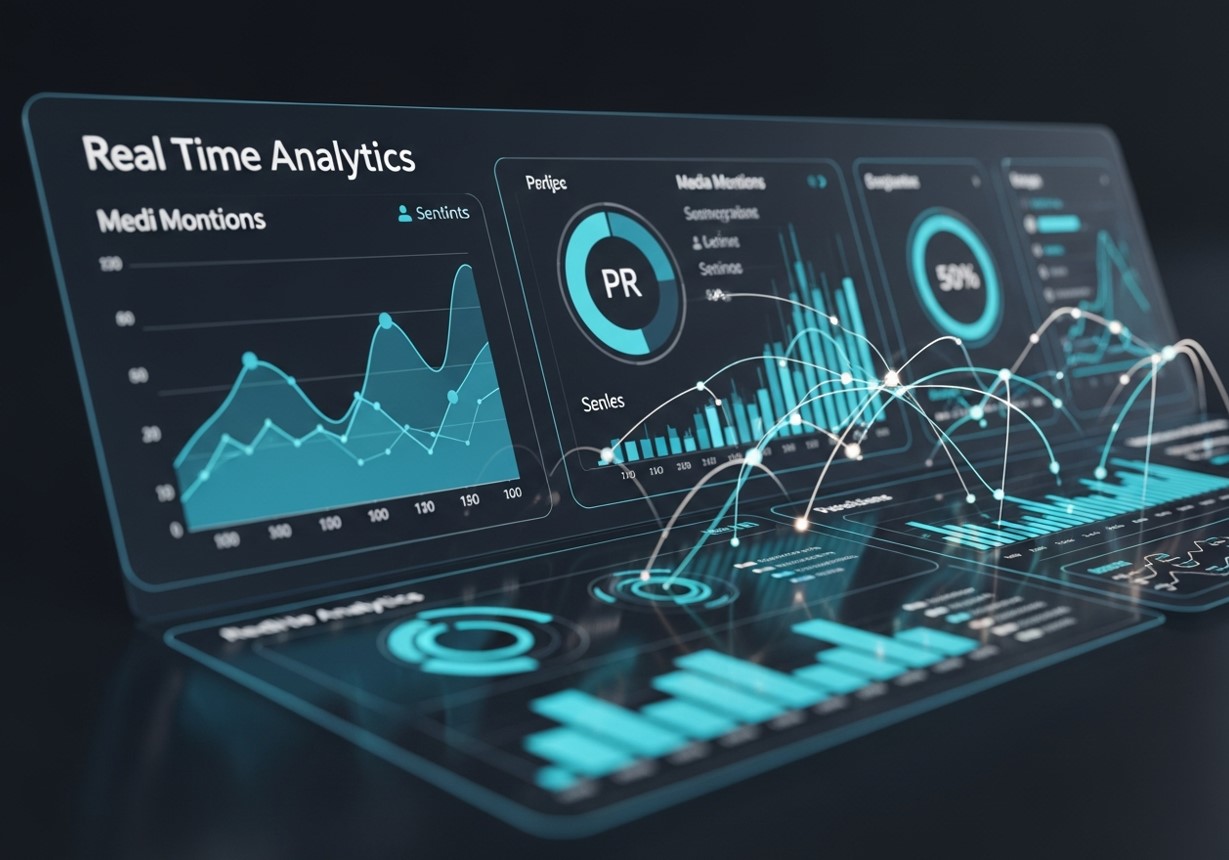
AI transforms how PR success is quantified. Traditional metrics like press coverage counts or impressions are now complemented with advanced analytics that evaluate audience engagement, brand sentiment, and share of voice. Machine learning algorithms can correlate media mentions with website traffic, lead generation, or product sales, providing a clear picture of how PR efforts translate into business outcomes.
Dashboards powered by AI consolidate all campaign data in real time, allowing teams to adjust strategies on the fly. Whether it’s identifying underperforming content, prioritizing high-impact journalists, or optimizing social media amplification, data-driven insights allow PR professionals to continuously refine tactics for maximum ROI.
Conclusion
AI and automation are no longer futuristic concepts reserved for tech giants—they are essential enablers of modern digital PR success. By integrating AI-powered media databases, sentiment analysis, personalized outreach engines, and real-time analytics, PR teams can work more efficiently and deliver measurable impact. As you evaluate new tools and platforms, remember to balance technological advancement with ethical responsibility and human creativity. The future of digital PR belongs to brands that harness AI thoughtfully, elevate their storytelling, and forge genuine connections with audiences at scale.
Frequently Asked Questions (FAQ)
What types of tasks in PR can AI automate?
AI can automate media monitoring, sentiment analysis, press release drafting, journalist and influencer targeting, outreach follow-ups, report generation, and crisis detection, freeing teams to focus on strategy and creative storytelling.
Will AI replace human PR professionals?
No. AI is a tool that augments human capabilities. It handles repetitive and data-intensive tasks, but creativity, relationship-building, and strategic judgment still require human expertise.
How does AI improve media targeting?
AI analyzes journalist and influencer behavior, past coverage, audience demographics, and engagement patterns to identify the contacts most likely to respond positively to pitches, increasing outreach efficiency and success rates.
Is AI in PR suitable for small businesses?
Absolutely. Many AI-powered PR tools are scalable and cloud-based, making them accessible to businesses of all sizes. They allow small teams to achieve results that would otherwise require significant human resources.
How can AI help with measuring campaign impact?
AI integrates data from multiple sources—earned media, social engagement, website analytics, and CRM systems—to provide comprehensive insights. It evaluates sentiment, share of voice, audience interaction quality, and even predicts future reach.
What are the ethical considerations of AI in PR?
Ethical considerations include ensuring transparency in AI-driven communications, avoiding algorithmic bias in journalist targeting or sentiment scoring, protecting privacy, and maintaining human oversight to uphold authenticity.
Can AI handle multilingual PR campaigns?
Yes. Many AI platforms support multiple languages and regional nuances, allowing teams to monitor global coverage, draft localized press materials, and engage audiences across borders effectively.
How does AI assist in crisis management?
AI predicts potential crises by detecting sentiment shifts and unusual patterns in media mentions. It can automate alerts, suggest response strategies, and monitor the effectiveness of communications during and after the crisis.
Does AI improve the personalization of pitches?
Yes. AI tools analyze a journalist’s or influencer’s past content and preferences to craft highly personalized pitches, increasing the likelihood of engagement and positive coverage.