Digital PR and SEO: The Ultimate Growth Strategy

Digital PR blends PR and SEO to boost visibility, earn backlinks, and build authority. Creating valuable content and fostering media relationships helps brands improve search rankings and strengthen their online reputation.
Digital PR has evolved far beyond traditional press releases and media outreach. Modern digital PR combines public relations tactics with search engine optimization to create a powerful marketing strategy that builds brand awareness while improving search rankings. This comprehensive approach helps businesses earn high-quality backlinks, increase online visibility, and establish authority in their industry.
Understanding how digital PR and SEO work together can transform your marketing efforts from isolated campaigns into an integrated growth engine. This post will explore the connection between these disciplines and provide actionable strategies to maximize their combined impact.
What is Digital PR?
Digital PR encompasses online activities designed to increase brand awareness, build relationships with key audiences, and earn media coverage across digital channels. Unlike traditional PR, which focuses primarily on print and broadcast media, digital PR leverages online publications, blogs, social media, podcasts, and influencer networks.
The core objective remains building positive brand perception and credibility. However, digital PR extends these goals by incorporating measurable SEO benefits like link building, content amplification, and enhanced search visibility.
Key digital PR tactics include:
- Media outreach to online publications and journalists
- Content creation for external websites and platforms
- Influencer partnerships and collaborations
- Social media engagement and community building
- Crisis management and reputation monitoring
- Thought leadership development
The SEO Connection
Search engines view links from reputable websites as votes of confidence. When authoritative publications link to your content, they signal to Google that your website provides valuable information worth ranking higher in search results.
Digital PR excels at earning these high-quality backlinks through genuine relationship building and valuable content creation. Rather than purchasing links or using manipulative tactics, digital PR focuses on creating newsworthy content that journalists and publishers naturally want to share.
This approach aligns perfectly with Google’s emphasis on expertise, authoritativeness, and trustworthiness (E-A-T). By establishing your brand as a credible source through legitimate media coverage, you improve both your search rankings and overall online reputation (digital PR strategies that drive results).
Benefits of Combining Digital PR and SEO
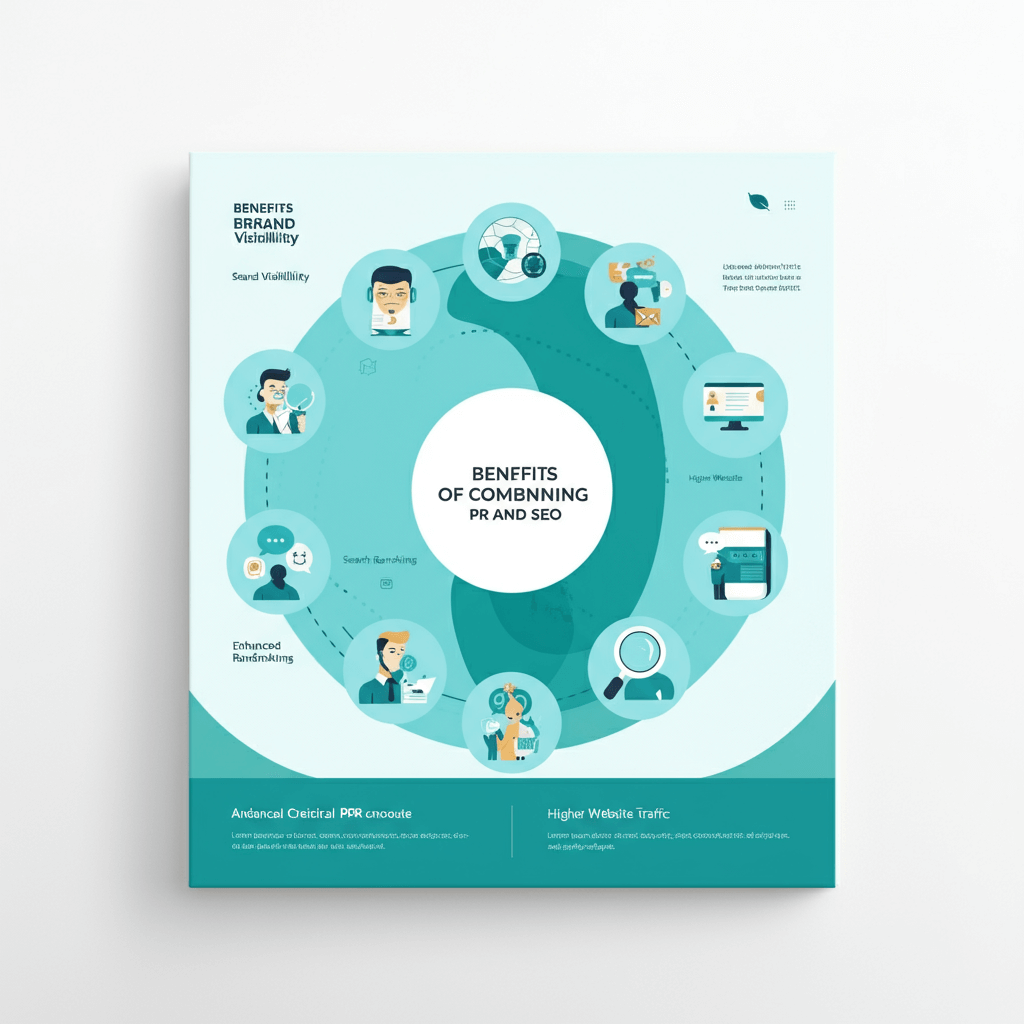
Enhanced Link Building
Traditional link building often struggles with scalability and sustainability. Digital PR provides a natural framework for earning links by creating genuinely newsworthy content and building relationships with journalists who cover your industry.
When you land a feature in a major publication, you typically earn a high-authority backlink that would be impossible to acquire through cold outreach alone. These editorial links carry more weight with search engines because they represent genuine endorsements from trusted sources.
Increased Brand Visibility
Digital PR campaigns often generate coverage across multiple channels simultaneously. A single successful campaign might result in mentions on industry blogs, social media shares, podcast interviews, and mainstream media coverage.
This multi-channel exposure increases your brand’s overall search footprint. People discover your business through various touchpoints, leading to increased branded search queries and direct traffic—both positive ranking signals for search engines.
Content Amplification
Creating high-quality content represents just the first step in successful SEO. Digital PR helps amplify your content by getting it in front of relevant audiences through earned media placements and influencer partnerships.
When journalists reference your research or quote your executives in their articles, they’re essentially promoting your content to their established audiences. This amplification drives traffic back to your website and increases the likelihood of earning additional links from other sources.
Authority Building
Search engines increasingly prioritize content from authoritative sources. Regular media coverage helps establish your brand as an industry expert, which can improve your rankings for competitive keywords (identify referral-ready customers).
When multiple reputable publications cite your company as a reliable source, search engines take notice. This accumulated authority can help your content rank higher even for highly competitive terms.
Essential Digital PR Strategies for SEO

Create Data-Driven Content
Original research and surveys generate significant media interest because they provide fresh insights that journalists can use in their reporting. Compile industry statistics, conduct customer surveys, or analyze market trends to create shareable data.
Present your findings in visually appealing formats like infographics or interactive charts. Include clear methodology and make the data easily accessible to journalists who might want to reference it in their articles.
Develop Newsworthy Angles
Transform routine business activities into compelling stories that journalists want to cover. New product launches, company milestones, industry predictions, and executive appointments can all become news stories with the right positioning.
Stay informed about current events and trending topics in your industry. Position your company as a valuable source of commentary on breaking news or emerging trends.
Build Journalist Relationships
Successful digital PR requires genuine relationships with journalists and editors who cover your industry. Research relevant publications and identify reporters who write about topics related to your business.
Engage with their content on social media, share their articles, and provide helpful information when they’re working on stories. Build these relationships before you need them, so journalists already know and trust your brand when newsworthy opportunities arise.
Leverage HARO and Similar Platforms
Help a Reporter Out (HARO) and similar services connect sources with journalists looking for expert commentary. These platforms provide excellent opportunities to earn high-quality backlinks while establishing thought leadership.
Set up alerts for relevant topics and respond quickly with thoughtful, detailed responses. Many journalists work under tight deadlines, so prompt replies increase your chances of being featured.
Monitor Brand Mentions
Track when publications mention your brand but don’t include a link back to your website. Reach out politely to request a link addition, as many journalists are happy to add links when reminded.
Use tools like Google Alerts, Mention, or Brand24 to monitor mentions across the web. This proactive approach helps you maximize the SEO value of your existing media coverage.
Measuring Digital PR Success

Link Metrics
Track the quantity and quality of backlinks earned through digital PR efforts. Focus on metrics like domain authority, referring domains, and the relevance of linking websites to your industry.
Monitor how new links impact your overall link profile and search rankings. Use tools like Ahrefs, SEMrush, or Moz to track link acquisition over time.
Traffic and Rankings
Measure increases in organic traffic and keyword rankings following digital PR campaigns. Look for improvements in both branded and non-branded search terms.
Track referral traffic from media mentions to understand which publications drive the most engaged visitors to your website.
Share of Voice
Monitor your brand’s presence in industry conversations compared to competitors. Digital PR should increase your share of voice in relevant discussions and media coverage.
Crisis Management and Reputation Building in the Digital Era

Digital PR isn’t only about proactive campaigns; it’s also a critical tool for managing crises and protecting brand reputation. In the age of instant information and social media amplification, even minor issues can escalate rapidly. A robust digital PR strategy includes monitoring online conversations, responding promptly to negative coverage, and creating content that reinforces credibility (digital PR is essential for modern brand success).
By maintaining transparency and demonstrating thought leadership during crises, brands can mitigate damage while positioning themselves as responsible and trustworthy. This approach not only preserves reputation but can also create opportunities for positive coverage when handled correctly. Over time, a brand recognized for integrity and responsiveness will benefit from stronger trust signals—both with audiences and search engines.
The Role of Analytics in Digital PR
Measurement is at the core of modern digital PR. Tracking results helps marketers identify what works, optimize efforts, and demonstrate ROI to stakeholders. Beyond backlinks and traffic, advanced analytics can reveal deeper insights about audience engagement, sentiment, and competitive positioning.
For instance, analyzing which types of media mentions generate the highest engagement or referral traffic can inform future content creation. Social listening tools track brand sentiment and highlight opportunities to participate in industry conversations. Combining these insights with SEO data allows marketers to refine campaigns, focus on high-impact opportunities, and demonstrate tangible value to executives and clients.
Future Trends in Digital PR
Digital PR is evolving rapidly, driven by AI, automation, and changing media consumption habits (AI-driven digital PR and machine learning). Artificial intelligence is increasingly used to identify journalist contacts, personalize outreach, and predict trending topics. Automation tools streamline monitoring and reporting, freeing teams to focus on creative storytelling and relationship-building.
Interactive content, immersive experiences, and integrated multimedia campaigns will continue to grow in importance. Brands that adapt to these trends, leveraging both data and creativity, will stay ahead of competitors while building lasting authority and trust online.
Common Challenges and Solutions
Resource Allocation
Digital PR requires significant time investment in relationship building and content creation. Many businesses struggle to balance these long-term activities with immediate marketing needs.
Start with a focused approach by targeting a small number of high-value publications and journalists. Build momentum gradually rather than attempting to launch comprehensive campaigns immediately.
Measuring ROI
Digital PR benefits often take months to materialize, making it difficult to demonstrate immediate return on investment. This timeline can create challenges when justifying budget allocation.
Set clear expectations about timeframes and track leading indicators like relationship building, content creation, and initial outreach metrics alongside lagging indicators like rankings and traffic.
Scalability
Building genuine relationships doesn’t scale as easily as other marketing tactics. Personalizing outreach and maintaining authentic connections requires human investment that can’t be fully automated.
Focus on building systems and processes that support relationship management while maintaining personal touches. Use CRM tools to track interactions and set reminders for follow-up communications.
Ready to Transform Your Marketing Strategy?
Digital PR and SEO create a powerful combination that builds sustainable competitive advantages. By earning high-quality backlinks, increasing brand visibility, and establishing industry authority, this integrated approach delivers long-term results that compound over time.
Start by identifying three to five publications that regularly cover your industry. Research their editorial calendars, follow their journalists on social media, and begin building relationships. Create one piece of data-driven content each quarter that provides genuine value to your industry.
Remember that digital PR success requires patience and consistency. Focus on building authentic relationships and creating valuable content rather than pursuing quick wins. The most successful digital PR campaigns generate media coverage that continues driving traffic and links for months or even years after launch.
Frequently Asked Questions (FAQ)
How does digital PR differ from traditional PR?
Digital PR focuses on online channels and measurable SEO benefits, while traditional PR primarily targets print and broadcast media. Digital PR also emphasizes backlinks, content amplification, and online visibility, making its impact more trackable.
Can small businesses benefit from digital PR?
Absolutely. Even small companies can earn high-quality backlinks and media coverage by creating data-driven content, sharing unique insights, or leveraging local press and niche publications. Strategic outreach can yield significant results without large budgets.
How long does it take to see SEO results from digital PR?
SEO benefits from digital PR often take a few months to materialize. While content creation and outreach happen immediately, backlinks and authority signals take time to influence search rankings. Patience and consistent effort are key.
How do I choose the right journalists or publications to target?
Identify publications that cover topics relevant to your industry and audience. Research journalists who write about your niche, follow their work, and engage meaningfully with them. Focus on quality over quantity for sustainable relationships.
Is digital PR only about backlinks?
No. While backlinks are important for SEO, digital PR also builds brand awareness, authority, thought leadership, and audience engagement. Its holistic value extends beyond search metrics to long-term brand credibility.
What types of content perform best in digital PR?
Data-driven content, research reports, expert commentary, infographics, interactive media, and stories with human or emotional appeal tend to perform well. Content that provides tangible value to journalists and audiences is most likely to be shared.
How do I measure the ROI of digital PR?
Track link metrics, referral traffic, search rankings, social mentions, and share of voice. Combine qualitative insights (media coverage, brand sentiment) with quantitative data to assess overall impact.
Can digital PR help with crisis management?
Yes. A proactive digital PR strategy allows brands to monitor conversations, respond quickly, and communicate transparently during crises, protecting reputation and building trust with audiences.