Podcast PR Power: A Complete Guide to Digital PR Success

In today’s digital landscape, brands face an unprecedented challenge to capture audience attention amid a sea of content and competing messages. Traditional advertising and static press releases often struggle to make a lasting impression, and consumers increasingly crave authenticity and depth. As attention spans shorten and social algorithms favor shorter snippets, marketers need innovative strategies that offer both engagement and substance. This is where audio storytelling steps in.
Podcasting currently stands as one of the most engaging mediums for brand communications, offering listeners immersive long-form content they can savor at their convenience. Unlike fleeting social media posts, an audio episode allows hosts and guests to explore ideas, share expertise, and foster a genuine connection that drives trust. By delivering value through storytelling, interviews, or narrative series, businesses can position themselves as thought leaders and cultivate a loyal audience. In this year (2026), savvy marketers are tapping into podcast PR to amplify their voice.
Throughout this guide, you will learn how to plan, produce, distribute, and measure an effective podcast PR campaign that amplifies brand visibility and secures high-quality backlinks. We will explore goal setting, format selection, pre-production essentials, recording best practices, post-production editing, and distribution tactics tailored to today’s market demands. Along the way, we will reference authoritative research from sources like Pew Research Center to inform our strategy. Let’s dive in and unlock the power of podcast PR.
The Role of Podcasting in Modern Public Relations
Enhancing Audience Engagement
In today’s crowded content ecosystem, engaging an audience beyond fleeting clicks and scrolls is crucial. Podcast PR leverages the intimate nature of audio to foster a stronger bond between a brand and its listeners. When a host introduces a topic and guides the conversation, listeners feel as if they are part of an exclusive dialogue rather than passive consumers. More than 50 percent of podcast consumption happens on the go, which means audiences can engage with your content during commutes, workouts, or daily chores. This flexibility differentiates audio from other content types and allows for repeated impressions that reinforce your message. Consistent, valuable insights and compelling narratives encourage subscribers to return episode after episode, building a community of loyal advocates.
Building Trust and Thought Leadership
Podcast PR is a powerful tool for establishing credibility and positioning executives as industry authorities. By hosting or appearing on a well-produced show, leaders can share in-depth perspectives, case studies, and actionable advice that resonate with niche audiences. Listeners often associate the host’s expertise with the brand itself, elevating overall reputation. According to Harvard Business School research, thought leadership content can increase brand perception by up to 75 percent. Authentic conversations humanize your organization and create a narrative that stakeholders—whether customers, partners, or media outlets—can rally behind. Over time, this authority translates into speaking engagements, media interviews, and further credibility boosts.
Driving Backlinks and Media Coverage
Every podcast episode offers an opportunity to earn natural backlinks, whether through show notes, guest resources, or media pickups. When respected industry voices feature on your podcast, their audiences and digital publications often reference the conversation and link back to your site. This organic link-building enhances domain authority and improves search rankings, creating a virtuous cycle that supports other SEO efforts. Standout episodes can also catch the attention of journalists at traditional media outlets, leading to mentions in trade publications and mainstream press. Tracking referrals from podcast directories and external sites provides concrete evidence of your podcast PR ROI.
Setting Clear Goals for Your Podcast PR Campaign
Defining Success Metrics
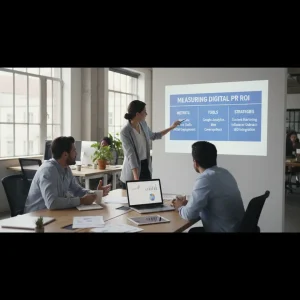
Every successful podcast PR strategy begins with clear, measurable objectives. Common metrics include total downloads, listener retention rates, average listen duration, and subscriber growth. To capture qualitative insights, track social media engagement, listener feedback, and guest testimonials. Backlink acquisition, website traffic from show notes, and lead form submissions tied to specific episodes provide further evidence of impact. Defining these success metrics up front ensures that your team can measure progress accurately and make data-driven adjustments throughout the campaign.
Aligning Objectives with Business Outcomes
Effective podcast PR aligns directly with broader business goals. If your priority is brand awareness, target high-download shows in your industry and aim for significant mentions in show notes, social media, and press releases. For lead generation, incorporate listener-exclusive calls to action that direct traffic to gated resources or demo signups. When the objective is thought leadership, focus on in-depth, interview-style episodes that highlight executive expertise and encourage reposts by industry influencers. By tying podcast success to revenue-driving outcomes—such as increased demo requests or sales inquiries—stakeholders can clearly see the value of your efforts.
Creating a Measurable Timeline
Establishing a realistic timeline is essential for maintaining momentum. Start by mapping out an editorial calendar that outlines episode topics, recording dates, and publication deadlines for a quarter ahead. Include milestones for guest outreach, editing completion, promotional bursts, and analytics reviews. Regular check-ins—ideally monthly—allow you to assess download trends, audience demographics, and engagement spikes. Use these insights to refine upcoming content, pivot formats if necessary, and celebrate milestones that demonstrate the campaign’s value to executives and partners.
Choosing the Right Podcast Format for Your Brand
Interview-Driven Series
Interview formats are ideal for brands seeking to tap into established audiences and offer expert insights. Hosting respected industry figures, clients, or academic researchers introduces fresh perspectives and creates cross-promotional opportunities. Each guest brings their following, expanding your reach and enhancing credibility. To succeed, craft thoughtful questions that highlight your brand’s unique value, and guide conversations to topics that align with your strategic goals. Interview episodes often perform well on directory charts, driving sustained downloads and attracting new subscribers.
Solo and Panel Discussion Styles
Solo-host shows allow for direct storytelling and personal branding, helping you cultivate a personal connection with listeners. Executives or content leads can share lessons, industry news, or company stories in their own voice, adding a human touch. Panel discussions, by contrast, gather multiple voices around one table—either virtually or in a studio—enabling dynamic debates and varied viewpoints. Both formats demand rigorous preparation and strong moderation to maintain flow. Choose a style that aligns with your available resources and the comfort level of your speakers.
Narrative-Driven and Serialized Content
Narrative podcasts deliver storytelling through structured episodes, often featuring case studies, customer success stories, or investigations. These series can span multiple weeks, building suspense and encouraging binge-listening behavior. For example, a serialized deep-dive on a major industry challenge or product innovation can generate significant buzz and media coverage. Crafting narrative content requires strong scripting, professional voice talent, and high-quality sound design, but the payoff can be substantial in terms of listener engagement and shareability.
Planning and Producing High-Quality Podcast Content

Pre-Production Essentials
Thorough pre-production sets the stage for smooth recordings and polished episodes. Start by researching topics and guests, verifying facts, and outlining key talking points. Develop an editorial calendar that sequences release dates around industry events, product launches, or seasonal trends. Secure recording equipment—such as a reliable condenser microphone, pop filters, and audio interface—and choose an environment with minimal background noise. Draft episode scripts or detailed outlines, and share these with guests in advance to ensure focused conversations. Investing time in these planning steps reduces last-minute hiccups and accelerates post-production workflows.
Recording Best Practices
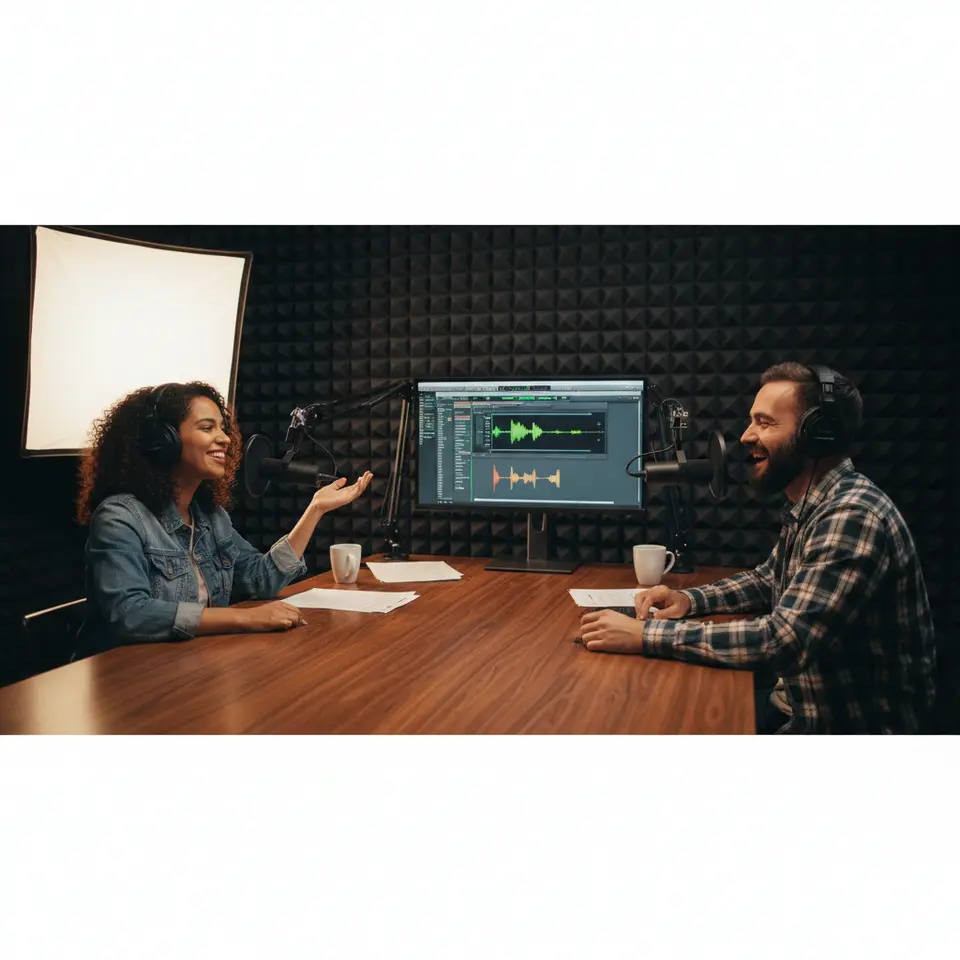
High audio quality is non-negotiable in podcast PR. Position microphones correctly to capture clear, consistent levels, and ask participants to record from a quiet, acoustically treated space if remote. Use headphones to monitor live audio and watch for background interference or volume fluctuations. Capture separate tracks for hosts and guests, which simplifies editing and enables precise mixing. Consider recording a brief soundcheck before each session to fine-tune levels and ensure the signal is clean. A few extra minutes invested here can significantly elevate the listener experience.
Post-Production Tips
Editing transforms raw audio into engaging episodes that retain listener attention. Remove filler words, long pauses, and background noises, then balance levels and apply equalization to achieve a consistent sound. Add branded intros, outros, and transitions to reinforce identity, and embed clear calls to action that guide listeners to your website or social channels. Finally, produce show notes with time-stamped highlights, resource links, and guest bios, optimizing them for SEO. Well-crafted post-production amplifies credibility and maximizes promotional impact.
Maximizing Reach: Distribution and Measurement Strategies
Multi-Channel Distribution
To capitalize on podcast PR, publish episodes across major directories—Apple Podcasts, Spotify, Google Podcasts, and Stitcher—to capture diverse audiences. Embed an SEO-optimized player on your corporate blog, pairing each episode with detailed show notes. Promote audio snippets as audiograms on social platforms like LinkedIn, Twitter, and Instagram to drive traffic back to the full episode. Leverage email newsletters for direct listener outreach, and collaborate with industry publications to guest post or feature episode highlights. For small businesses, resources from the U.S. Small Business Administration can guide your distribution planning.
Engagement and Promotion Tactics
Engage listeners by soliciting feedback, questions, and topic suggestions through social media polls or dedicated email channels. Offer listener incentives—like exclusive bonus content or early access—to boost subscriptions and referrals. Host live recordings or Q&A sessions to create real-time engagement opportunities. Partner with guests to cross-promote episodes on their platforms, tapping into new networks. Consistent branding, high-quality visuals, and a uniform publishing cadence help reinforce your podcast’s presence in a saturated market.
Tracking and Refining Campaigns
Accurate measurement is key to optimizing podcast PR efforts. Monitor quantitative metrics—download counts, completion rates, listener demographics, and referral traffic—using analytics from hosting platforms and web tracking tools. Combine these data points with qualitative feedback from surveys and social comments. Produce a monthly report that highlights wins, identifies underperforming episodes, and recommends strategic adjustments. By regularly reviewing performance, you can refine your content, test new formats, and ensure continuous growth in listener engagement and backlink acquisition.
Frequently Asked Questions
What is podcast PR?
Podcast PR is the strategic use of podcasting to enhance brand visibility, build thought leadership, and drive backlink acquisition through authentic audio storytelling and expert interviews.
How do you measure podcast PR success?
Key metrics include total downloads, listener retention rates, average listen duration, subscriber growth, social media engagement, website traffic from show notes, and backlink acquisition.
What equipment do I need for a podcast?
At minimum, you need a quality condenser microphone, pop filter, audio interface, headphones, and a quiet recording environment. Additional tools like acoustic foam and professional editing software enhance audio quality.
How can I promote my podcast episodes?
Use multi-channel distribution—publish to major directories, embed episodes on your blog, share audiograms on social media, feature in email newsletters, and partner with industry publications for guest posts and highlights.
Conclusion
Podcast PR represents a dynamic extension of digital public relations, merging storytelling, thought leadership, and link-building into an immersive medium. By setting clear goals, choosing the right format, and investing in meticulous planning and high-quality production, brands can cultivate loyal audiences and amplify their authority. Multi-channel distribution and rigorous measurement further ensure that each episode delivers measurable ROI and drives sustainable growth. In today’s competitive environment, launching a focused podcast PR campaign can differentiate your brand, attract high-quality backlinks, and unlock new pathways for audience engagement. Start your journey into podcast PR today and transform the way your brand communicates in this year (2026).