Augmented Reality in Digital PR: Engaging Audiences

In today’s digital landscape, the art of public relations has evolved far beyond press releases and media outreach. Brands are seeking fresh ways to captivate audiences and deliver memorable stories that leave a lasting impression. Against this backdrop, augmented reality in digital PR has emerged as a groundbreaking approach that bridges the gap between the virtual and physical world. By overlaying interactive digital elements—such as images, animations, or 3D models—onto real-world environments, organizations can engage stakeholders on a deeper level and foster stronger brand connections.
As consumer expectations shift toward immersive experiences, AR campaigns offer a dynamic platform for storytelling, product demonstrations, and location-based activations. This year (2026), companies of all sizes are exploring how augmented reality in digital PR can amplify earned media coverage, boost social sharing, and provide valuable user insights through built-in analytics. Whether launching a new product at a live event or creating virtual tours of heritage sites, AR transforms static collateral into shareable, interactive experiences that stand out in saturated media channels.
Beyond novelty value, augmented reality in digital PR provides measurable returns by capturing real-time engagement metrics. Media professionals can track session durations, interaction hotspots, and geographic data to refine creative elements and demonstrate ROI to stakeholders. In the sections below, you will discover how to leverage AR for enhanced storytelling, design seamless experiences, and integrate analytics into your campaign workflow. Prepare to unlock the next frontier of public relations and deliver unforgettable brand moments that resonate with modern audiences.
Defining Augmented Reality in Digital PR
Augmented reality in digital PR refers to the process of embedding computer-generated visuals, audio, or 3D content into the real world using a smartphone, tablet, or wearable device. This overlay enriches a user’s environment with interactive elements that respond to gestures, location data, or image recognition. Unlike virtual reality, which immerses participants in a fully digital setting, AR augments the existing space. This subtle distinction makes AR especially suited for public relations, where blending brand assets with tangible surroundings enhances credibility and encourages organic discovery.
At the core of augmented reality in digital PR lies three technical components: tracking, rendering, and user interaction. Tracking leverages sensors and computer vision to identify surfaces or images, while rendering engines calculate how digital objects align with live camera feeds. Finally, user interaction layers enable taps, swipes, and voice commands that reveal hidden content or trigger animations. Leading software development kits—ARKit for iOS and ARCore for Android—simplify these tasks, empowering PR professionals to build tailored experiences without deep native coding expertise.
For fast deployment, WebAR platforms eliminate the need for app downloads and run directly in mobile browsers. This approach minimizes friction in press events and media outreach, leading to higher trial rates and reduced drop-offs. Organizations seeking standardized performance benchmarks can consult resources provided by the U.S. National Institute of Standards and Technology, which publishes guidelines on sensor accuracy and content optimization for immersive applications.
According to data from the Pew Research Center, smartphone ownership among adults has reached unprecedented levels, with over 85 percent of individuals relying on their devices for news, networking, and content consumption. This widespread adoption sets the stage for augmented reality in digital PR, as audiences can access interactive campaigns with devices they already carry. Millennials and Gen Z in particular demonstrate an appetite for immersive narratives, with 63 percent reporting a willingness to engage with AR experiences tied to products or events.
By grasping these adoption trends and technical fundamentals, PR teams can harness augmented reality in digital PR to elevate storytelling. From unveiling interactive press kits to hosting virtual tours at live press conferences, the possibilities are varied. As developers continue to refine tracking algorithms and rendering performance, brands that invest in AR today will gain a competitive edge, setting new standards for audience engagement and content shareability in today’s digital landscape.
Key Benefits of AR-Driven PR Campaigns
Unmatched Audience Engagement
Augmented reality in digital PR captivates audiences by inviting them to become active participants rather than passive observers. Users tap, swipe, and move their devices to discover layers of content tucked into their surroundings. This hands-on approach boosts dwell time and reduces ad fatigue, making messages more memorable. Interactive filters, virtual product try-ons, and location-aware overlays keep audiences intrigued, driving organic social shares and conversation around a campaign. Moreover, these interactions often lead to user-generated content, as participants capture and post their AR experiences on social channels, amplifying reach beyond owned media.
Enhanced Storytelling
By merging digital assets with real-world backdrops, AR enables multi-sensory narratives that bring brand stories to life. Marketers can layer 3D visualizations, audio cues, and animated timelines over printed collateral or physical spaces. Such dynamic storytelling helps clarify complex ideas—from product engineering details to historical retrospectives—ensuring that media outlets and influencers can convey nuanced messages with confidence. For instance, a heritage fashion label might use AR to reveal animated sketches of design evolution when journalists point their devices at archival photographs.
Data-Driven Insights
Every interaction within an AR experience yields valuable analytics. Platforms capture heatmap data showing where users tap, the amount of time spent on specific elements, and geolocation patterns for location-based activations. By integrating these insights into PR analytics dashboards, teams can optimize creative assets, tailor messaging, and demonstrate tangible ROI to stakeholders. In today’s data-centric era, this level of transparency supports budget allocation decisions and strategic planning, ensuring that each phase of an AR-driven PR campaign aligns with overarching marketing objectives.
Amplified Media Coverage
Innovative AR campaigns often earn earned media mentions as journalists and bloggers seek to report on cutting-edge launches. When reporters can showcase interactive demos or share screenshots of immersive experiences, coverage becomes more engaging and visually compelling. This ripple effect magnifies campaign reach and reinforces brand authority in competitive markets. Brands that pioneer augmented reality in digital PR distinguish themselves as industry leaders, attracting attention at events and generating buzz across both trade publications and mainstream outlets.
Boosted Brand Recall
Research suggests that interactive content is more likely to be remembered. By embedding augmented reality in digital PR efforts, brands foster stronger emotional connections and mental associations. Whether through virtual product testing at live events or AR-triggered narratives in press kits, these impactful moments boost recall rates and encourage long-term audience loyalty. As audiences increasingly expect personalization and interactivity, leveraging AR becomes a strategic imperative for brands aiming to stay top-of-mind in today’s competitive media landscape.
Overall, the integration of augmented reality in digital PR unlocks a suite of benefits that traditional communication tactics cannot match. By focusing on engagement, storytelling, analytics, media amplification, and memorability, PR teams can craft experiences that resonate deeply and deliver measurable outcomes.
Real-World Applications of AR in Public Relations
Product Launches and Demonstrations
Imagine a tech company unveiling its latest smartphone at an industry conference. Instead of distributing static press materials, attendees scan branded AR markers to unlock 3D renderings of the device, explore internal components, and test virtual camera features in real time. Augmented reality in digital PR turns product launches into interactive showcases, enabling journalists and influencers to capture photos and videos directly from their screens. These immersive demos generate pre-release buzz on social platforms, often producing measurable spikes in web traffic and earned media coverage.
Beauty brands also leverage AR try-on filters to let press and consumers experiment with virtual makeup shades via smartphones or event kiosks. By creating a seamless blend of digital overlays and live environments, brands deliver personalized experiences that resonate more than typical press photos. This strategy not only drives more dynamic coverage but also equips reviewers with shareable content that reflects authentic user reactions.
Immersive Brand Heritage Tours
Heritage brands with rich backstories can use augmented reality in digital PR to bring historical narratives off the page. For example, a luxury watchmaker might embed AR triggers within a printed media kit, allowing journalists to point their devices at vintage advertisements and unlock animated timelines. Through 3D visualizations, interactive factory tours, and video interviews with master craftsmen, media professionals gain insider perspectives that enrich their articles. This behind-the-scenes approach fosters deeper emotional connections and positions the brand as both authentic and innovative.
Similarly, museum and cultural institutions integrate AR overlays onto exhibition posters, offering embedded audio guides, archival photographs, and curator interviews. By enhancing static displays, these installations transform visitor engagement and extend the reach of press releases to digital audiences who can access AR tours remotely.
Location-Based Activations
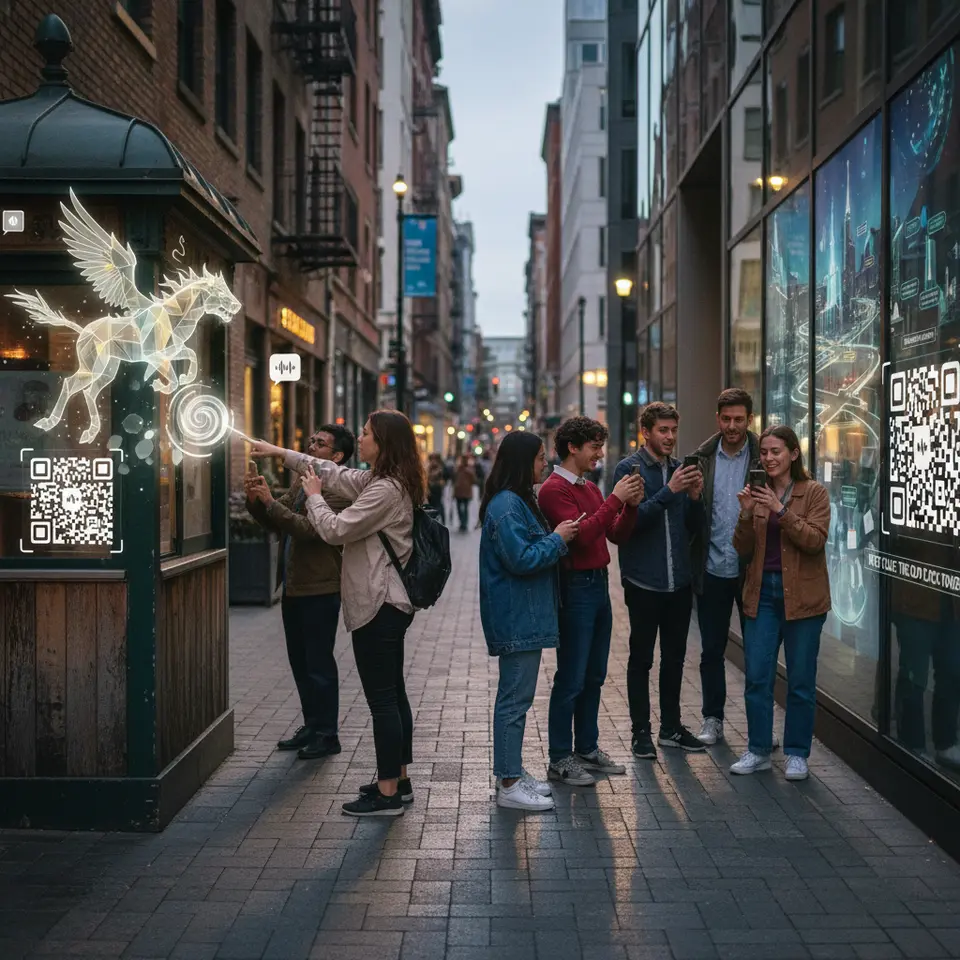
City-wide campaigns often employ augmented reality in digital PR to create scavenger hunt experiences or pop-up galleries. Passersby receive QR codes that trigger AR murals on building facades, complete with audio testimonials and interactive storytelling. These activations drive foot traffic and encourage user-generated content as participants share their discoveries on social media. Nonprofit organizations and public agencies use this method to raise awareness for social causes or historical events, effectively blending education with entertainment.
For instance, an environmental nonprofit might set up AR-enabled stations in urban parks, allowing visitors to witness simulated ecological transformations and learn about conservation efforts. This experiential approach increases message retention and amplifies public affairs campaigns through organic social amplification.
Strategizing Your Augmented Reality PR Campaign
Designing an effective augmented reality in digital PR initiative requires a structured approach that aligns with broader communication goals. By following a clear roadmap, PR teams can ensure that interactive experiences meet expectations and deliver measurable results. Below are six critical steps to guide the planning and execution of AR-enhanced campaigns:
1. Define Clear Objectives
Begin by establishing what you want to achieve with augmented reality in digital PR. Objectives may include increasing earned media mentions, driving social shares, boosting event attendance, or collecting user insights. By linking these goals to key performance indicators—such as session launches, engagement rates, or media placements—you create a framework for success and accountability.
2. Understand Your Audience
Assess device adoption, technical comfort levels, and content preferences among your target demographic. Millennials and Gen Z often embrace AR experiences, while B2B journalists may prioritize detailed product specifications and data overlays. Conduct surveys or focus groups to gauge readiness and gather feedback on format preferences.
3. Select the Right Platform
Choose between native development kits—such as ARKit (iOS) and ARCore (Android)— and web-based solutions like WebAR. Native apps offer advanced functionality but require downloads, whereas WebAR experiences run directly in mobile browsers with minimal friction. Evaluate factors such as timeline, budget, and audience device habits before settling on a technical approach.
4. Craft Compelling Content
Blend 3D models, animations, audio tracks, and text overlays in a cohesive narrative. Your content should reinforce brand identity and articulate core messages clearly. Prototype early and test with small internal groups to identify usability issues, ensuring that the user journey remains intuitive and engaging from launch to completion.
5. Distribute and Promote
Integrate AR touchpoints into press releases, media kits, event signage, email newsletters, and social channels. Use short URLs or QR codes with straightforward instructions to minimize friction and guide users into the experience. Collaborate with influencers to showcase demos and generate buzz prior to official announcements.
6. Measure Performance and Iterate
Implement robust analytics to capture metrics such as session duration, tap depth, and geolocation data. Compare results against benchmarks to identify areas for improvement. Use insights to refine content, optimize distribution, and justify future investments in augmented reality in digital PR initiatives.
By adhering to these steps, PR teams can transform concept into execution, ensuring that augmented reality campaigns not only wow audiences but also drive tangible business outcomes.
Essential Tools, Technologies, and Metrics for AR PR
To deliver high-impact augmented reality in digital PR campaigns, PR professionals must select the right development platforms, authoring tools, and analytical frameworks. Below is a curated list of leading resources and best practices for measurement:
Key Development Platforms
- 8th Wall Offers WebAR support that runs in mobile browsers, eliminating app download barriers and enabling rapid distribution via social media and email.
- BlippAR Provides print and environmental triggers, making it ideal for magazine spreads, outdoor billboards, and product packaging.
- Spark AR Studio Enables custom filters and effects for Facebook and Instagram, tapping into massive social audiences with interactive face masks and AR experiences.
- Adobe Aero A no-code authoring tool that integrates seamlessly with Photoshop and Illustrator, perfect for designers seeking rapid prototyping without extensive coding knowledge.
- Vuforia An enterprise-grade SDK optimized for detailed product overlays and industrial applications, widely used in manufacturing and retail demonstrations.
Audio and 3D Asset Management
Tools such as Blender, Maya, and Adobe Substance Painter facilitate the creation of optimized 3D models and textures. For audio integration, platforms like FMOD and Wwise offer interactive sound design that reacts to user behavior, elevating immersive storytelling. When exporting assets, PR teams should prioritize efficient file formats such as glTF for 3D models and compressed audio codecs like AAC to minimize file sizes. Asset versioning systems and cloud storage solutions ensure collaborative workflows stay organized and up to date.
Advanced Analytics Techniques
Beyond basic engagement metrics, advanced analytics enable deeper insights. Heatmap visualizations reveal hotspots where users interact most, while funnel analysis uncovers drop-off points in multi-step AR experiences. Geolocation overlays track where audiences engage with location-based activations, informing future media tour planning. Integrating AR data with existing CRM or marketing automation platforms centralizes campaign performance and supports personalized follow-up communications.
Security and Privacy Considerations
As augmented reality in digital PR collects user data—including device identifiers and location information—teams must adhere to privacy regulations such as GDPR and local data protection laws. Implement consent prompts and anonymize sensitive analytics to build trust and maintain compliance. Working with reputable SDK providers that support encrypted data transfer further safeguards audience information.
By combining powerful development platforms with a rigorous measurement strategy, public relations teams can harness augmented reality in digital PR to deliver engaging, data-rich campaigns that stand out in crowded media environments and drive meaningful business results.
Conclusion
Augmented reality in digital PR has moved beyond novelty to become a strategic staple for brands aiming to captivate audiences and differentiate their narratives. By overlaying interactive digital elements onto real-world environments, PR professionals can drive deeper engagement, unlock richer storytelling opportunities, and gather actionable insights that traditional tactics cannot match. From product launches and heritage tours to city-wide activations, AR campaigns create memorable experiences that earn media attention and encourage user-generated content.
Today, the convergence of widespread smartphone adoption and mature AR development platforms makes it feasible to integrate immersive experiences into virtually any public relations strategy. By following best practices—defining clear objectives, knowing your audience, selecting the right platform, crafting compelling content, and measuring performance rigorously—teams can maximize ROI and demonstrate tangible business value. As brands continue to explore the potential of augmented reality in digital PR, those that invest in innovative storytelling today will set the standard for audience engagement and brand memorability in today’s competitive media landscape.
Ready to transform your next communications campaign with immersive technology? Start experimenting with AR tools, collaborate with creative partners, and harness the power of real-time analytics to deliver unforgettable experiences that resonate both now and beyond. Embrace the possibilities of augmented reality in digital PR and position your organization ahead of the curve, crafting immersive brand moments that leave a lasting impact on stakeholders and the media alike.
FAQS
1. What is augmented reality in digital PR?
Augmented reality in digital PR is the use of interactive digital elements—such as 3D models, animations, or overlays—on real-world environments to enhance storytelling and audience engagement.
2. How does AR improve public relations campaigns?
AR improves PR campaigns by making them more interactive, memorable, and engaging, which helps capture attention and increase media coverage.
3. What is the difference between AR and virtual reality in PR?
AR enhances the real world with digital elements, while virtual reality creates a fully immersive digital environment separate from the physical world.
4. What are the key benefits of using AR in digital PR?
Key benefits include higher audience engagement, better storytelling, increased brand recall, and access to real-time analytics.
5. What devices are needed to experience AR campaigns?
Most AR campaigns can be accessed using smartphones, tablets, or AR-enabled wearable devices.
6. How can brands use AR for product launches?
Brands can use AR to showcase interactive 3D product models, virtual demos, and real-time features that users can explore through their devices.
7. What platforms are used to create AR experiences?
Popular platforms include ARKit, ARCore, WebAR tools, Spark AR, and Adobe Aero for building interactive AR content.
8. How can AR campaigns be measured for success?
Success can be measured through engagement metrics like session duration, interaction rates, social shares, and geographic data.
9. What challenges come with implementing AR in PR?
Challenges include technical complexity, development costs, device compatibility, and ensuring a seamless user experience.
10. What is the future of augmented reality in digital PR?
The future involves more advanced, personalized, and data-driven AR experiences that will further transform storytelling and audience interaction.