Digital PR for Voice Search: Adapting to a New Frontier
In today’s digital landscape, the way audiences discover and engage with information has been revolutionized by voice-enabled devices like Amazon Alexa, Apple Siri, and Google Assistant. As more consumers speak their queries instead of typing them, businesses and digital PR practitioners must evolve their strategies. Digital PR for Voice Search focuses on shaping press releases, thought leadership, and media outreach to align with conversational patterns. Currently, voice search accounts for a significant portion of online inquiries, demanding content that speaks in natural, question-driven language.
This year (2026), companies that adapt will gain an edge, securing featured responses on smart assistants and increasing brand credibility. Throughout this article, we will explore how to map the voice search user journey, conduct optimized keyword research, craft voice-friendly narratives, and measure impact through modern KPIs. By integrating proven practices and tools, your next digital PR campaign can resonate in living rooms, offices, and on-the-go scenarios. Whether you’re launching a product announcement or authoring an expert analysis, this comprehensive guide will equip you with actionable techniques to thrive in the voice-first era. Embrace the shift, and learn how to position your brand as a trusted voice assistant referral, driving engagement and authority in today’s dynamic online environment.
The Rise of Voice Search and Its Impact on Digital PR
 Voice-enabled technology has become ubiquitous, transforming how people interact with digital platforms. Digital PR for Voice Search is no longer a futuristic concept but a fundamental component of modern publicity efforts. As smart speakers, mobile assistants, and voice-activated wearables grow in popularity, brands must rethink content creation to address spoken questions and conversational requests. Unlike traditional typed queries, voice commands tend to be longer, more natural, and often phrased as complete sentences. This shift demands a recalibration of PR messaging, ensuring that announcements, thought leadership, and press briefs are structured to match verbal inquiry patterns.
Recent research from the National Institute of Standards and Technology shows that voice recognition accuracy and adoption rates are higher than ever before. In fact, many households now rely on voice search for weather updates, news headlines, and local service recommendations. For digital PR teams, this evolution presents a dual opportunity: to deliver concise, authoritative answers that satisfy listener intent and to secure prominent placement in voice assistant responses.
Implementing a Digital PR for Voice Search strategy elevates brand visibility by aligning content with the conversational nuances of spoken language. When PR assets are optimized for voice, they have a stronger chance of being quoted directly by assistants, effectively turning your release into a virtual spokesperson. Furthermore, embracing this approach enhances brand authority and trust, as audiences often perceive voice-selected answers as vetted and credible. In today’s competitive atmosphere, securing a voice search feature can significantly boost engagement metrics, including dwell time and user interactions.
Finally, staying ahead of voice search trends strengthens relationships with media outlets and influencers. By offering multimedia assets—audio snippets, FAQ sound bites, and speakable transcripts—PR professionals can cater to journalists looking for ready-to-use sound files or concise quotes. As a result, your digital PR campaigns achieve broader outreach, greater media pickup, and sustained brand resonance in the voice-first world.
Understanding the Voice Search User Journey
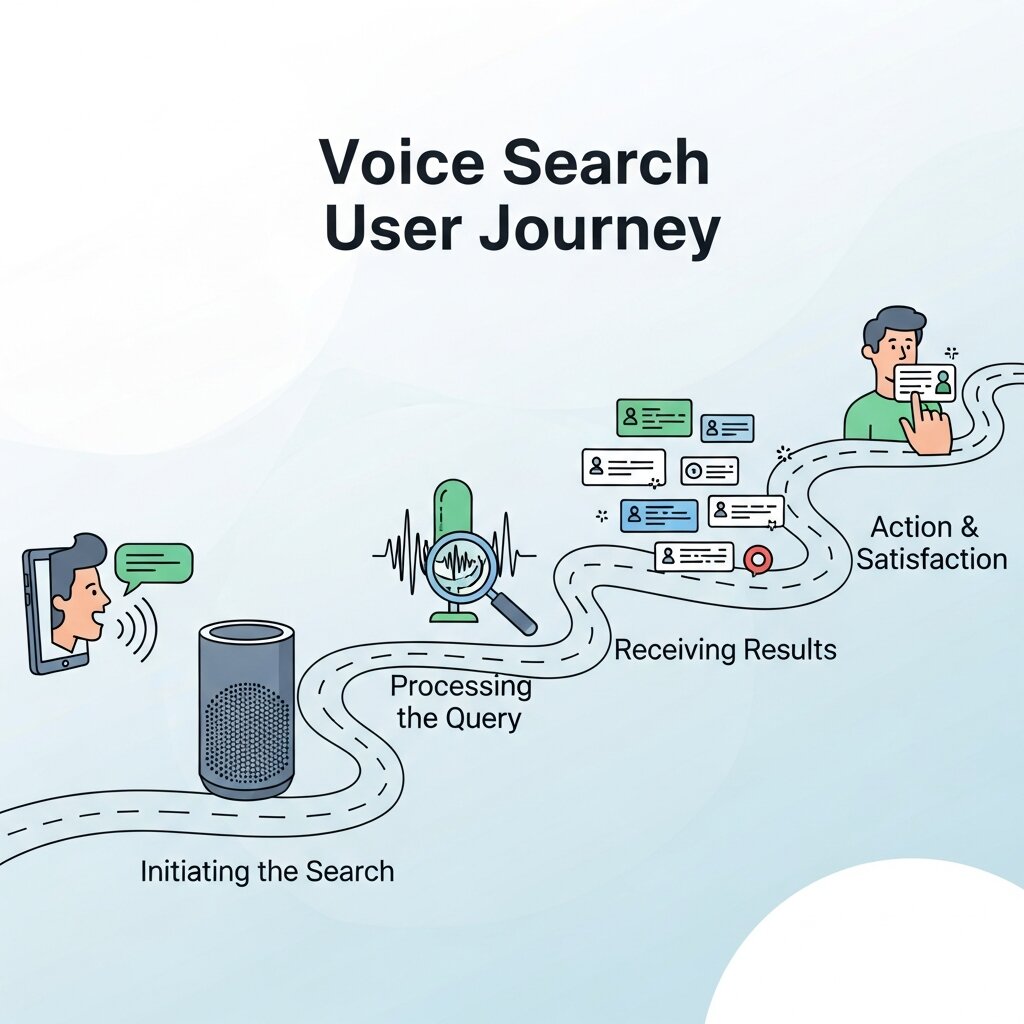 To design effective voice-oriented digital PR initiatives, it is crucial to map how users interact with voice assistants across different contexts. Today, voice search scenarios typically fall into three categories: on-the-go, at home, and in the office. Each environment influences the length, intent, and complexity of queries, and Digital PR for Voice Search must adapt accordingly.
On-the-go voice queries are usually brief and direct. Commuters or busy professionals might ask for traffic updates, local restaurant recommendations, or quick definitions. PR professionals should anticipate these short-form requests by crafting succinct responses that deliver maximum relevance in just a few seconds. Incorporating clear, action-oriented language ensures that your brand’s key message is communicated swiftly.
At home, users are more relaxed and may engage in longer, conversational queries. They could ask for product comparisons, step-by-step tutorials, or in-depth news summaries. Digital PR for Voice Search in these scenarios benefits from comprehensive FAQ sections and narrative-driven content that address follow-up questions. Structuring releases with subheads like How It Works, Benefits, and Common Questions helps voice assistants parse and relay information effectively.
In office environments, voice searches often revolve around data, statistics, and expert insights. Executives and analysts may request industry reports, survey results, or thought leadership commentary. To capture this audience, PR teams should integrate citation-backed statements and embed schema markup that highlights speakable passages. Leveraging structured data standards not only improves visibility on smart devices but also underpins the perceived authority of your materials.
By understanding typical user scenarios across these moments, Digital PR for Voice Search practitioners can tailor distribution channels, pivot messaging tone, and select the most relevant assets—whether that is an audio FAQ, a concise news brief, or a richly formatted press release. This audience-centric methodology ensures that voice-driven engagements consistently reinforce brand credibility and meet user expectations.
Conducting Voice-Optimized Keyword Research
 Keyword research for voice search diverges from conventional SEO in its emphasis on natural language and question-based phrases. Instead of targeting brief terms, Digital PR for Voice Search strategies focus on long-tail queries that mirror how people talk. A good starting point is the People Also Ask feature on search engines, in addition to specialized tools like AnswerThePublic. These resources reveal exact conversational prompts—such as how questions, what queries, and why inquiries—that your audience uses today.
Segmenting keywords by search intent is equally important. Informational intents begin with how, what, and why, indicating users seeking knowledge or guidance. Navigational requests aim to find a specific brand or website. Transactional queries imply an action, like signing up for a webinar or requesting a media kit. By classifying terms in this manner, PR teams can prioritize topics that align with campaign objectives and audience needs.
Localization further enhances voice search relevance. Many users say phrases like near me or mention their city when seeking services or local news. Integrating geo-modifiers into press release headlines, subheads, and metadata increases the likelihood of being surfaced by regional voice assistants and local media outlets. Combining local keywords with core topics ensures your digital PR assets resonate both globally and within targeted markets.
Once you have a list of conversational keywords, weave them organically into your messaging. For example, replace generic headlines with question-driven titles: instead of Brand Launches New Service, try What Does Brand’s New Service Offer and How Can You Use It. Embedding these key phrases throughout your release, thought leadership, and metadata signals voice assistants that your content directly addresses user inquiries.
Crafting Voice-Friendly Press Releases and Thought Leadership
Optimizing press releases for voice requires rethinking structure and tone. Begin with a question-based headline that directly frames the announcement as a user query. Including an immediate answer in the subhead or opening paragraph delivers the concise information that voice assistants prefer. Be sure to offer a brief summary—around 30 to 40 words—that succinctly addresses the core question. This snippet is ideal for voice response extraction.
Incorporate an FAQ section near the top of your press materials. Each question should reflect a likely voice search, such as How does the new feature enhance user experience? or What security measures are in place? Provide clear, jargon-free answers. Applying schema.org markup for PressRelease or NewsArticle with speakable JSON-LD tags further guides voice platforms to identify and vocalize the most relevant passages.
Thought leadership pieces benefit from a conversational, first-person tone. Use narrative elements and personal pronouns—we, our research shows, in our experience—to emulate dialogue. Break content into bite-sized subheads like Key Insights, How It Works, and Future Implications so voice assistants can pull discrete sections as standalone answers. This structure also improves readability for journalists and editors, who often repurpose quotes and data points in their coverage.
Remember to include authoritative references to reinforce credibility. Linking to reputable sources—such as government research, academic studies, or industry benchmarks—adds weight to your assertions. Whether you cite a report from a leading university or a verified statistic from a regulatory agency, these citations strengthen the perceived trustworthiness of your voice-optimized PR content.
Enhancing Engagement with Multimedia and Measuring Success
While voice search centers on audio, combining it with multimedia assets amplifies reach and engagement. Consider repurposing key PR announcements into podcast segments or brief audio soundbites. Distribute these files through popular platforms and optimize titles and descriptions with conversational keywords. Additionally, hosting video Q&A sessions where experts answer common voice queries can engage both auditory and visual audiences. Transcribe the dialogue and publish it alongside your release with speakable markup.
Infographics can also feature highlightable sections marked for voice playback. Using JSON-LD SpeakableSpecification tags, you can indicate specific text passages that voice assistants should read aloud. This approach bridges the gap between visual storytelling and voice consumption, making complex data accessible in audio form.
Measuring the impact of Digital PR for Voice Search demands new KPIs. Track voice search impressions to understand how often your content is surfaced on smart devices. Monitor click-through rates from voice referrals and analyze engagement duration to gauge listener satisfaction. High dwell times and repeat interactions signal that your conversational content resonates with audiences.
Backlinks and media pickups remain crucial indicators of success. Securing features on authoritative sites—such as academic institutions like Stanford University—or government portals reinforces your brand’s leadership position. By comparing pre- and post-implementation metrics, PR teams can quantify lifts in organic referrals, audience reach, and backlink acquisition, ensuring continuous refinement of voice-driven strategies.
Frequently Asked Questions
1. What is Digital PR for Voice Search?
Digital PR for Voice Search is the practice of optimizing press releases, media outreach, and thought leadership content to align with conversational, voice-based queries. It ensures your content is easily discoverable and usable by voice assistants like Google Assistant, Amazon Alexa, and Apple Siri.
2. Why is voice search important for digital PR in 2026?
Voice search is rapidly growing as users prefer speaking over typing. Optimizing for voice allows brands to appear in featured responses, increasing visibility, authority, and engagement across smart devices.
3. How does voice search differ from traditional search?
Voice search queries are typically longer, more conversational, and question-based. Instead of short keywords, users ask full questions, requiring content that directly answers those queries in natural language.
4. How can I optimize press releases for voice search?
Use question-based headlines, include concise answers in the introduction, add FAQ sections, and apply structured data like speakable schema markup. Writing in a conversational tone also improves voice compatibility.
5. What type of keywords work best for voice search?
Long-tail, question-based keywords such as “how,” “what,” and “why” perform best. Tools like AnswerThePublic help identify common voice queries used by your audience.
6. What role does structured data play in voice SEO?
Structured data, such as schema markup and speakable tags, helps search engines and voice assistants identify key content sections to read aloud, improving your chances of being featured in voice responses.
7. How can multimedia improve voice search visibility?
Audio clips, podcasts, video Q&A sessions, and transcriptions enhance engagement and provide more opportunities for voice assistants to extract relevant information from your content.
8. Which KPIs should I track for voice search campaigns?
Important KPIs include voice search impressions, click-through rates from voice results, dwell time, engagement duration, repeat interactions, and the number of backlinks and media mentions.
9. How does voice search impact user behavior?
Voice search encourages faster, more direct interactions. Users expect immediate, accurate answers, making concise and clear content essential for capturing and retaining attention.
10. Is voice search optimization suitable for all industries?
Yes, industries ranging from e-commerce and healthcare to media and local services can benefit from voice search optimization by providing quick, relevant, and conversational answers to user queries.
Conclusion
Adapting PR campaigns to the realities of voice search is no longer optional—it’s essential for capturing audience attention where they spend much of their time. Digital PR for Voice Search empowers brands to speak directly to consumer curiosities, delivering precise, conversational answers through smart assistants. By understanding user journeys, optimizing keyword research, reformatting press materials, and integrating multimedia assets, PR professionals can secure prominent placement and foster deeper engagement. Remember to apply structured data markup, embed FAQs, and reference authoritative sources to bolster credibility. As voice technology continues to mature this year (2026), brands that master these tactics will establish themselves as trusted authorities in an increasingly voice-first world. Start implementing these strategies today to amplify your message and stay ahead in the evolving landscape of digital PR.
Read more about this topic: How to Build Digital PR Campaigns That Dominate Search Results