Press Release Distribution Strategies to Reach the Right Audience
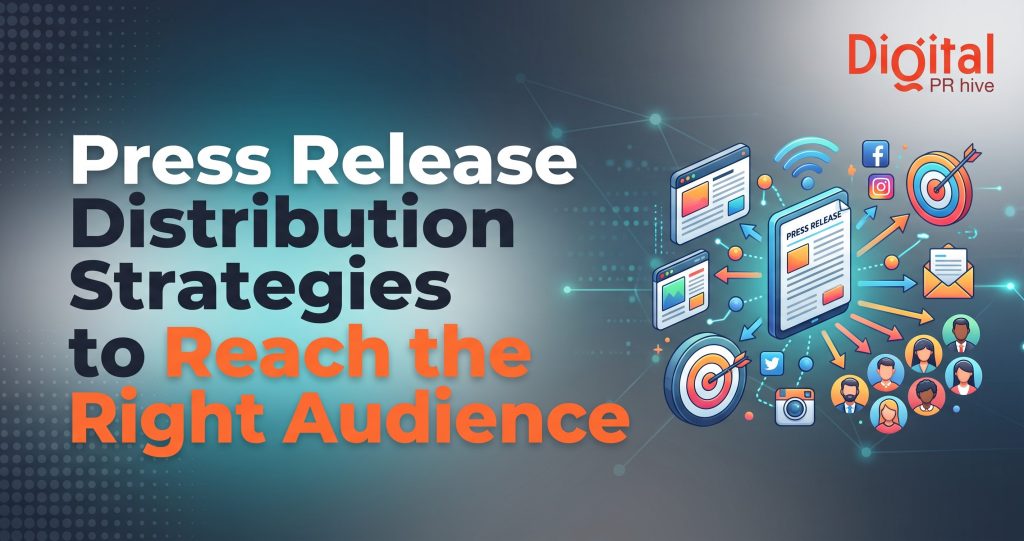
Press Release Distribution is an important part of public relations that helps businesses share news, announcements, and updates with relevant audiences through media outlets, journalists, online publications, and digital platforms. However, publishing a press release is not enough to guarantee meaningful results. Businesses need a clear strategy that connects their announcements with the people most likely to find them useful.
An effective distribution process combines audience research, targeted media outreach, relevant messaging, and performance measurement. By integrating Press Release Distribution with an Online PR Strategy, businesses can improve Online Brand Visibility, build stronger relationships with journalists, and support Online Reputation Management. Whether announcing a new product, sharing company milestones, or communicating important organizational changes, selecting the right distribution channels helps businesses increase awareness and make their announcements more valuable.
Understand Your Target Audience Before Distribution
Understanding the target audience is the foundation of successful Press Release Distribution. Businesses should identify who needs the information, why the announcement matters to them, and which communication channels they regularly use. Without this understanding, even a well-written press release may reach people who have little interest in the news.
Audience research should consider industry, geographic location, professional interests, customer needs, and relevant demographics. For example, a technology company announcing a software launch may prioritize technology journalists, industry publications, business decision-makers, and potential customers. A local retailer announcing a new store may achieve better results through regional news outlets and community publications.
Identify the Purpose of Your Press Release
Every press release should have a clear communication objective. A product launch announcement may aim to generate media coverage, while a company expansion announcement may focus on reaching investors, customers, and industry stakeholders. Defining the purpose helps determine which audiences and publications are most relevant.
Businesses should establish measurable objectives before distribution begins. These may include securing relevant media mentions, generating qualified website visits, increasing awareness of a new service, or informing stakeholders about an important development. Clear objectives also make it easier to evaluate results and identify improvements for future campaigns.
Segment Your Audience for Better Results
Audience segmentation allows businesses to divide a broad audience into smaller groups with shared interests or needs. This approach helps organizations tailor their distribution strategy rather than sending every announcement to an identical list of contacts.
A business serving several industries might prepare different media outreach approaches for technology publications, financial journalists, and industry-specific news platforms. The central announcement can remain consistent while the supporting pitch highlights the information most relevant to each audience. This improves the likelihood that recipients will recognize the announcement’s value.
Develop an Effective Online PR Strategy
 An Online PR Strategy provides a structured approach to communicating with journalists, online publications, industry influencers, and digital audiences. Press Release Distribution becomes more effective when it supports broader communication goals instead of functioning as an isolated promotional activity.
A well-planned strategy connects announcements with brand positioning, media relationships, audience interests, and business objectives. Businesses should consider the timing of their announcements, the publications most likely to cover them, and the supporting information journalists may need. Consistency across communication channels helps establish a recognizable brand identity and makes future announcements easier to understand.
Choose the Right Distribution Channels
Different distribution channels serve different purposes. Newswire services can distribute announcements across selected networks, while direct journalist outreach can help businesses present relevant stories to specific media contacts. Industry publications, regional news websites, and company-owned newsrooms can provide additional opportunities to reach interested readers.
The right choice depends on the announcement, budget, target market, and desired outcome. A specialized industry announcement may perform better through relevant trade publications than through a broad distribution network. Businesses should evaluate each channel’s audience, editorial standards, geographic reach, and reporting capabilities before investing in distribution.
Build Relationships With Relevant Journalists
Strong media relationships can improve the quality of public relations efforts over time. Journalists are more likely to consider a pitch when it relates directly to their coverage area and provides credible, useful information. Businesses should research journalists’ recent articles and understand the topics they typically cover before contacting them.
Personalized outreach is generally more useful than sending identical messages to a large list of unrelated contacts. A concise email should explain why the announcement matters to the journalist’s audience and provide access to supporting materials. Respecting editorial independence and following up appropriately can help businesses build professional relationships without creating unnecessary pressure.
Improve Online Brand Visibility Through Strategic Distribution
Online Brand Visibility refers to how easily audiences can discover and recognize a business across digital channels. Press Release Distribution can support visibility by making important company news available through relevant publications, media coverage, and online searches.
However, distribution does not guarantee publication, search rankings, or increased traffic. Results depend on the announcement’s newsworthiness, editorial decisions, audience relevance, and the quality of the distribution process. Businesses should focus on providing useful information that deserves attention rather than treating every press release as a direct advertising opportunity.
Create Newsworthy and Relevant Announcements
A successful press release should communicate information that is genuinely useful or interesting to its intended audience. Examples include a significant product launch, an important partnership, new research findings, business expansion, a leadership appointment, or a meaningful community initiative.
Announcements that contain only promotional claims may struggle to attract editorial attention. Businesses should explain what happened, why it matters, who is affected, and what makes the development relevant now. Supporting details, verified figures, and credible quotations can make the announcement more informative and easier for journalists to evaluate.
Optimize Press Releases for Online Discovery
Online readability and discoverability are important considerations when preparing a press release. A descriptive headline, concise introduction, informative subheadings where appropriate, and clear company information help readers quickly understand the announcement. Relevant keywords can be included naturally when they accurately describe the subject.
Businesses should avoid excessive keyword repetition or writing solely for search engines. Include useful links to relevant company pages, product information, or supporting research when appropriate. The press release should remain clear and factual, with any search optimization supporting the reader’s experience rather than distracting from the news.
Use Online Reputation Management to Strengthen Trust
 Online Reputation Management involves monitoring and influencing how a business is perceived across digital channels. Press Release Distribution can contribute to reputation management by sharing verified company updates, explaining important developments, and communicating meaningful progress to customers and stakeholders.
For example, a company may announce new quality standards, a leadership change, a community initiative, or an improvement to its customer support process. Such announcements can provide accurate information about the organization’s actions. However, press releases should not be used to hide legitimate concerns or replace direct responses to customer complaints. Credible communication requires transparency, accountability, and consistent follow-through.
Communicate Accurate and Verifiable Information
Credibility is essential when distributing company news. Businesses should verify names, dates, figures, quotations, product details, and other factual claims before publication. Unsupported claims can damage trust and create reputational risks, particularly when journalists or readers discover inconsistencies.
Companies should also distinguish between confirmed facts, future plans, and projections. If an announcement includes performance figures or research findings, the underlying information should be reliable and appropriately explained. Accurate communication helps journalists assess the story and gives audiences a stronger basis for evaluating the company’s message.
Respond to Public Concerns With Transparency
When a business faces criticism or a reputational challenge, public communication should address the underlying issue rather than simply attempt to improve its image. A press release may help communicate verified updates, corrective actions, or changes to company policies when the announcement is relevant to the public.
Businesses should coordinate public statements with customer service, leadership, legal advisers, and other appropriate teams when necessary. Messages should explain what is known, what action is being taken, and where audiences can find additional information. Transparent communication supports trust more effectively than exaggerated claims or repeated promotional statements.
Time Your Press Release Distribution Strategically
Timing can influence whether a press release reaches journalists and audiences when they are most likely to pay attention. Businesses should consider industry events, seasonal trends, relevant announcements, publication schedules, and the urgency of the news. Distributing a release at an appropriate time may help journalists evaluate it before their editorial deadlines.
There is no universal distribution time that guarantees media coverage. The most suitable schedule depends on the target market, publication type, and nature of the announcement. Businesses should also account for time zones when reaching international audiences and avoid releasing information before it is approved for public disclosure.
Coordinate Distribution With Business Activities
Press releases often perform a useful role when coordinated with product launches, events, research publications, partnerships, and other business milestones. Consistent timing helps audiences connect the announcement with related information on the company website and other communication channels.
For example, a product announcement can be supported by an updated product page, relevant images, spokesperson availability, and customer information. Businesses should ensure that these materials are ready before distribution begins. Coordination makes it easier for journalists and readers to verify the announcement and find the information they need.
Measure Press Release Distribution Performance
 Measuring performance helps businesses understand whether their distribution activities are achieving their intended objectives. Instead of judging success solely by the number of outlets that receive a release, companies should examine meaningful outcomes such as relevant media coverage, referral traffic, qualified inquiries, and audience engagement.
The appropriate metrics depend on the announcement’s purpose. A public awareness campaign may prioritize relevant publication mentions, while a business announcement may focus on website visits or stakeholder inquiries. Separating distribution activity from actual editorial coverage is also important because sending a press release does not mean that a publication has reported on it.
Track Relevant Metrics and Media Coverage
Businesses can monitor published media mentions, referral traffic, relevant audience reach, engagement with company announcements, and inquiries associated with a campaign. Tracking links and appropriate analytics tools can help identify website visits generated by particular distribution activities.
Media monitoring tools can also help businesses discover coverage and understand how their announcements are being discussed. However, raw mention counts should be interpreted carefully. A smaller number of highly relevant publications may provide greater value than numerous mentions on unrelated websites. Quality, relevance, and the campaign’s original objective should guide evaluation.
Improve Future Distribution Strategies
Performance reviews should identify what worked, what underperformed, and what can be improved in future campaigns. If an announcement receives limited attention, businesses can assess whether the story was sufficiently newsworthy, whether the target audience was appropriate, and whether the outreach message clearly explained the announcement’s relevance.
Companies can use these findings to refine journalist lists, improve headlines, adjust distribution timing, and strengthen supporting materials. Testing different approaches over time can reveal patterns that help teams make better decisions. Continuous improvement ensures that Press Release Distribution becomes a more focused part of the organization’s overall public relations strategy.
Common Press Release Distribution Mistakes to Avoid
One common mistake is distributing every company update without considering whether it offers meaningful news value. Excessive promotional announcements can weaken media interest and make it harder for important stories to stand out. Businesses should prioritize developments that provide useful information to their intended audiences.
Another mistake is choosing distribution channels based only on price or claimed reach. A large distribution network may not deliver meaningful results if its audience is unrelated to the announcement. Businesses should also avoid misleading headlines, unverified claims, irrelevant journalist outreach, and excessive keyword use. A thoughtful strategy focused on relevance, credibility, and measurable outcomes is more sustainable than distribution volume alone.
Conclusion
Press Release Distribution helps businesses communicate important announcements, reach relevant audiences, and support stronger public relations outcomes. By understanding their target audiences, developing an effective Online PR Strategy, improving Online Brand Visibility, and supporting Online Reputation Management, companies can make their announcements more relevant and useful.
Successful distribution requires more than sending information to as many outlets as possible. Businesses need newsworthy content, carefully selected channels, credible messaging, appropriate timing, and consistent performance measurement. By reviewing results and improving their approach over time, organizations can build stronger media relationships, communicate more effectively with stakeholders, and support long-term brand credibility.
Frequently Asked Questions (FAQs)
1. What is Press Release Distribution?
Press Release Distribution is the process of sharing company announcements with relevant journalists, media outlets, news services, online publications, and other intended audiences. Its purpose is to make important business news available to people who may find it useful or newsworthy.
2. Why is Press Release Distribution important for businesses?
It helps businesses communicate important updates, increase awareness, build relationships with media professionals, and support public relations objectives. Effective distribution can also introduce company news to new audiences and strengthen brand credibility when the announcement provides meaningful information.
3. How do I choose the right press release distribution service?
Evaluate the service’s audience relevance, industry coverage, geographic reach, pricing, reporting features, and editorial policies. Choose a provider based on your announcement’s objectives rather than relying exclusively on claims about distribution volume or guaranteed exposure.
4. How does an Online PR Strategy improve press release results?
An Online PR Strategy connects press releases with broader communication objectives, audience research, media relationships, and digital channels. This coordinated approach helps businesses select relevant publications, deliver consistent messages, and evaluate results more effectively.
5. Can Press Release Distribution improve Online Brand Visibility?
Yes, distribution can increase opportunities for audiences to discover company news through relevant publications and media coverage. However, visibility depends on factors such as newsworthiness, publication decisions, audience relevance, and the quality of the announcement.
6. What role does Online Reputation Management play in press releases?
Online Reputation Management helps businesses monitor and communicate their public image. Press releases can share verified updates, explain meaningful changes, and communicate corrective actions when relevant. Honest information and consistent follow-through are essential for maintaining credibility.
7. How often should a business distribute press releases?
Businesses should distribute press releases when they have meaningful news to share rather than following an arbitrary schedule. Product launches, significant partnerships, research findings, leadership changes, and important company milestones may justify announcements when relevant to the intended audience.
8. Are free press release distribution services effective?
Free services may help businesses share announcements within limited budgets, but their reach, editorial standards, and reporting features vary. Businesses should compare the service’s actual audience and capabilities with their goals before deciding whether a free or paid option is appropriate.
9. How can businesses measure Press Release Distribution success?
Businesses can evaluate relevant media coverage, referral traffic, qualified inquiries, audience engagement, and other metrics connected to their campaign objectives. They should distinguish between outlets receiving a release and publications that actually cover the announcement.
10. Does Press Release Distribution guarantee media coverage?
No. Distribution makes an announcement available to selected channels or recipients, but journalists and publications independently decide whether to cover it. Newsworthiness, audience relevance, timing, and editorial priorities all influence the likelihood of receiving media attention.