How Online Brand Visibility Helps Businesses Grow Faster

Online Brand Visibility plays an important role in helping businesses attract attention, reach potential customers, and build a recognizable digital presence. In a competitive online environment, simply having a website or social media profile is not enough. Customers need to repeatedly encounter a brand across relevant digital channels before they are likely to remember and trust it.
Strong online visibility can help businesses increase awareness, generate qualified traffic, strengthen customer relationships, and create more opportunities for growth. Strategies such as Digital Public Relations, Brand Reputation Management, and Online Reputation Management can further support visibility by helping businesses communicate their value, maintain credibility, and build a consistent presence across the internet.
What Is Online Brand Visibility?
Online brand visibility refers to how easily customers can discover and recognize a business across digital platforms. It includes a brand’s presence in search results, social media, websites, online publications, review platforms, directories, and other relevant digital channels.
Why Visibility Matters for Modern Businesses
Customers often research businesses online before making purchasing decisions. A brand that appears consistently across multiple trusted channels has more opportunities to capture attention during this research process.
Strong visibility can also help businesses remain recognizable when customers compare different products or services. Consistent exposure makes it easier for potential customers to remember a company when they are ready to take action.
Visibility and Brand Awareness
Brand awareness focuses on whether customers recognize and remember a business, while visibility describes how frequently and easily they encounter it online. The two concepts work closely together.
When a brand publishes useful content, earns media mentions, maintains active social profiles, and appears in relevant search results, customers have more opportunities to become familiar with the business.
How Online Brand Visibility Supports Business Growth
 Improving visibility can create more opportunities for customer acquisition by placing a business in front of relevant audiences. Greater exposure does not automatically guarantee sales, but it can increase the number of meaningful interactions that contribute to the customer journey.
Reaching More Potential Customers
Businesses can use search engines, social media, digital publications, online communities, and other channels to reach potential customers. Each channel provides another opportunity to introduce the brand to people who may need its products or services.
A broader digital presence can also help businesses reach audiences beyond their existing customer base and explore new market opportunities.
Increasing Website Traffic
Online visibility can contribute to increased website traffic when customers discover a business through search results, articles, social media posts, media coverage, or external references.
Relevant traffic gives businesses more opportunities to educate visitors, demonstrate expertise, present products or services, and encourage actions such as inquiries, registrations, or purchases.
The Role of Digital Public Relations
Digital Public Relations can strengthen online visibility by helping businesses communicate with audiences through digital media, publications, online communities, and other relevant platforms.
Building Digital Media Presence
Digital PR can help businesses share news, expertise, announcements, research, and valuable stories with relevant online audiences. When credible publications cover or reference a business, the company may gain additional exposure.
Consistent media communication can also help businesses develop a recognizable identity and make their expertise easier for potential customers to discover.
Earning Relevant Online Mentions
Online mentions can introduce a business to audiences that may not have discovered it through traditional marketing channels. Relevant mentions from industry publications, websites, and digital communities can contribute to broader brand exposure.
The quality and relevance of these mentions are important because visibility is more useful when it reaches audiences that have a genuine connection to the business.
Strengthening Brand Reputation
Visibility and reputation are closely connected. A business may receive substantial online exposure, but customers also evaluate what they see about the brand. Positive, accurate, and consistent information can support stronger perceptions of reliability.
The Importance of Brand Reputation Management
Brand Reputation Management involves monitoring and improving how a brand is represented and perceived across digital channels. It can include reviewing customer feedback, monitoring brand mentions, addressing concerns, and maintaining consistent communication.
Effective reputation management helps businesses understand how audiences respond to their brand and identify areas where communication or customer experience may need improvement.
Building Trust Through Consistency
Consistency is an important part of building trust. Businesses should maintain accurate information across websites, social profiles, directories, media pages, and other relevant platforms.
Consistent branding, messaging, business information, and customer communication can make a company appear more organized and reliable while reducing confusion during the customer research process.
Using Online Reputation Management to Support Visibility
 Online Reputation Management focuses on monitoring and managing a brand’s presence across the internet. It can support visibility by ensuring that customers encounter useful and credible information when researching a business.
Monitoring Brand Mentions
Businesses can monitor mentions across websites, social platforms, review sites, forums, and digital publications. Tracking these conversations can help companies understand what customers and audiences are saying.
Monitoring also provides an opportunity to identify questions, complaints, positive feedback, and emerging discussions related to the brand.
Responding to Customer Feedback
Customer feedback can influence how potential customers perceive a business. Responding professionally to reviews and public feedback demonstrates that the company pays attention to customer experiences.
Businesses should aim to provide helpful, accurate, and respectful responses rather than treating every negative comment as a reputation problem. Constructive feedback can also reveal opportunities for improvement.
Improving Visibility Through Content Marketing
Content provides businesses with opportunities to answer customer questions, demonstrate expertise, and create useful resources. Consistent content can expand the number of digital touchpoints where customers can discover a brand.
Creating Valuable Content
Businesses can publish articles, guides, case studies, videos, research-based resources, and other formats that address audience needs. Useful content can attract visitors who are actively searching for information related to the company’s products or services. Content should prioritize relevance and usefulness rather than simply producing large quantities of pages or posts.
Supporting Search Visibility
Search-friendly content can help businesses appear for relevant queries when potential customers are researching problems or solutions. Well-structured content can also support broader topical coverage.
Combining useful information with appropriate keyword targeting, internal linking, technical optimization, and clear page structure can create a stronger foundation for long-term search visibility.
Social Media and Online Brand Visibility
Social media provides businesses with direct channels for communicating with customers and communities. Regular activity can increase opportunities for audiences to encounter, interact with, and remember a brand.
Building an Active Social Presence
A consistent social presence allows businesses to share educational content, company updates, product information, customer stories, and industry insights. Different platforms can serve different audience groups and communication purposes.
Businesses should focus on platforms where their target audiences are active rather than attempting to maintain an identical presence everywhere.
Encouraging Audience Engagement
Engagement can create additional visibility when customers interact with or share brand content. Questions, discussions, educational posts, and useful resources can encourage meaningful conversations.
However, engagement should be relevant to the audience. Artificially increasing interactions without providing value may not create meaningful long-term relationships.
Building Credibility Through Customer Reviews
Reviews can influence customer research and contribute to the overall digital presence of a business. Potential customers may use reviews to evaluate experiences, service quality, and reliability before contacting a company.
Managing Reviews Professionally
Businesses should monitor reviews across relevant platforms and respond appropriately. Positive reviews can provide social proof, while negative reviews can highlight areas requiring attention.
Professional responses should focus on understanding concerns and providing useful information rather than engaging in arguments. A thoughtful approach can demonstrate accountability to both existing and potential customers.
Encouraging Genuine Customer Feedback
Businesses can encourage satisfied customers to leave honest feedback after completing a purchase or receiving a service. Genuine reviews can provide useful information to future customers. The goal should be to create a consistent process for collecting authentic feedback rather than attempting to manipulate ratings or review content.
Measuring Online Brand Visibility
Businesses need measurable indicators to understand whether their visibility efforts are producing meaningful results. Different metrics can provide insight into reach, awareness, engagement, and customer actions.
Important Visibility Metrics
Useful measurements can include organic search impressions, branded search activity, website traffic, referral traffic, social engagement, media mentions, review activity, and conversions.
The most useful metrics depend on the company’s goals. A business focused on awareness may prioritize reach and branded searches, while another may focus more heavily on qualified traffic and leads.
Connecting Visibility With Business Results
Visibility metrics become more valuable when connected to actual business outcomes. For example, a company can compare increases in organic traffic with leads, inquiries, sales, or other conversion actions. This helps businesses determine whether greater exposure is reaching relevant audiences and contributing to meaningful customer activity.
Common Mistakes That Reduce Brand Visibility
Businesses can invest significant effort into digital marketing without achieving consistent visibility if their strategies are poorly coordinated. Avoiding common mistakes can help create a more reliable digital presence.
Inconsistent Branding
Different logos, descriptions, messages, or business information across platforms can create confusion. Businesses should maintain consistent core information while adapting content to each platform.
Ignoring Reputation
Focusing entirely on visibility while ignoring customer feedback can create problems. Increased exposure also means more people may see complaints, inaccurate information, or unresolved issues. Visibility and reputation should therefore be managed together.
Focusing Only on Quantity
Publishing large amounts of content or creating profiles on numerous platforms does not automatically improve visibility. Businesses should prioritize quality, relevance, consistency, and audience fit. A smaller number of well-managed channels can be more useful than many neglected platforms.
How to Build a Strong Online Visibility Strategy
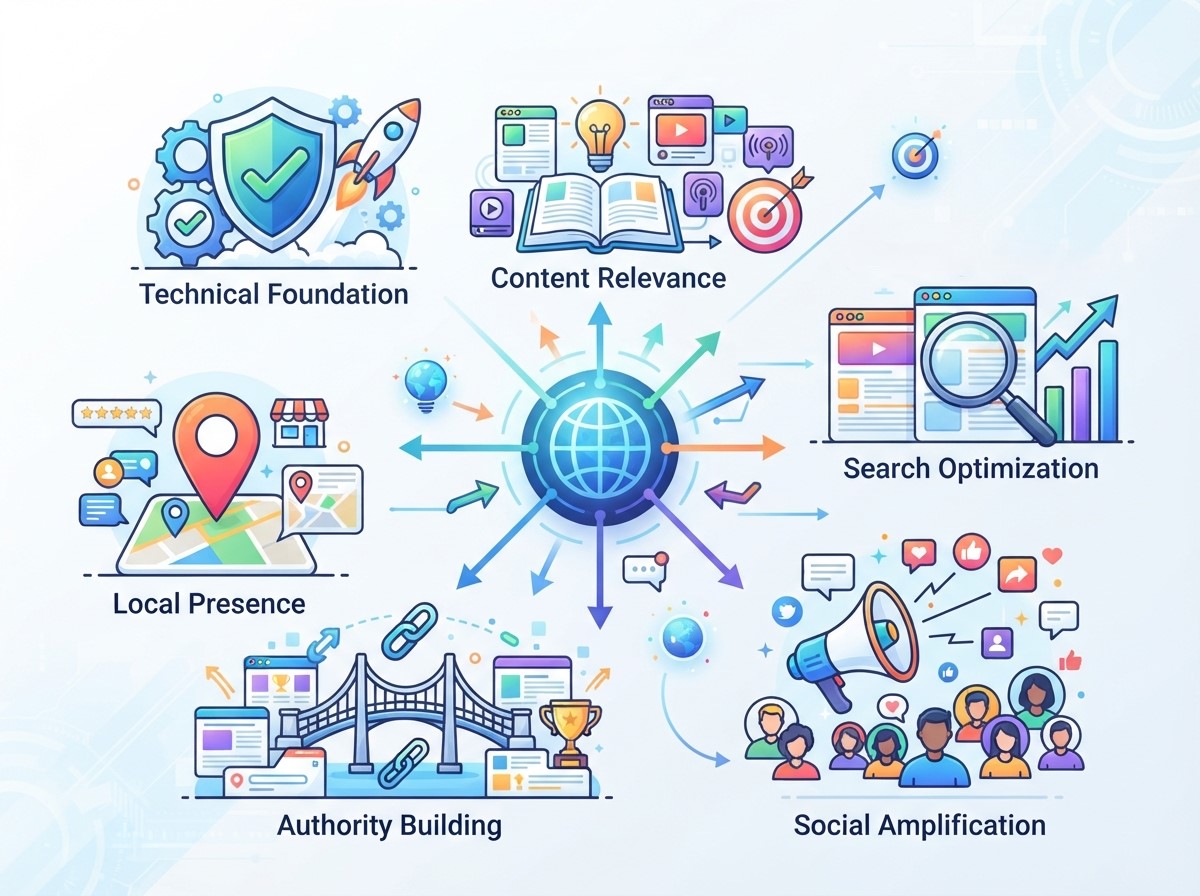 A structured strategy can help businesses improve visibility without wasting resources. The process should begin with understanding the target audience and identifying the digital channels where potential customers search for information.
Define the Target Audience
Businesses should identify customer needs, interests, search behavior, preferred platforms, and purchasing considerations. This information helps determine what type of content and communication will be most relevant. A clear audience profile also makes it easier to select appropriate visibility channels.
Maintain Consistent Digital Communication
Businesses should create a consistent publishing and communication schedule across selected platforms. Content can include educational resources, industry insights, customer stories, company updates, and useful answers to common questions. Consistency helps maintain visibility while giving audiences more opportunities to interact with the brand.
Review Performance Regularly
Online visibility should be monitored continuously. Businesses can review search performance, website traffic, social engagement, media mentions, reviews, and conversions to understand what is working. Regular analysis allows companies to adjust their strategy based on actual performance rather than assumptions.
Frequently Asked Questions
1. What is Online Brand Visibility?
Online Brand Visibility refers to how easily customers can discover and recognize a business across digital channels such as search engines, social media, websites, online publications, review platforms, and directories.
2. Why is Online Brand Visibility important?
Strong visibility helps businesses reach more potential customers, increase brand awareness, generate website traffic, and create more opportunities for customer engagement and conversions.
3. How can businesses improve Online Brand Visibility?
Businesses can improve visibility through SEO, useful content, social media, digital PR, online reviews, consistent branding, media coverage, reputation management, and regular performance monitoring.
4. What is Digital Public Relations?
Digital Public Relations involves using online media, publications, communities, and digital communication channels to build awareness, communicate with audiences, and strengthen a brand’s online presence.
5. What is Brand Reputation Management?
Brand Reputation Management involves monitoring and managing how a business is represented and perceived across digital channels. It can include managing reviews, monitoring mentions, and maintaining consistent communication.
6. How does Online Reputation Management help businesses?
Online Reputation Management helps businesses monitor online conversations, respond to customer feedback, address inaccurate information, and maintain a credible digital presence.
7. Can social media improve Online Brand Visibility?
Yes. Social media can create additional opportunities for customers to discover, interact with, and share brand content. Consistent and useful communication can support broader digital exposure.
8. Does content marketing increase brand visibility?
Content marketing can increase visibility by creating useful resources that customers may discover through search engines, social media, referrals, and other digital channels.
9. How can businesses measure Online Brand Visibility?
Businesses can monitor metrics such as search impressions, branded searches, organic traffic, referral traffic, social engagement, media mentions, reviews, leads, and conversions.
10. How long does it take to improve Online Brand Visibility?
The timeline varies depending on competition, industry, existing digital presence, content quality, SEO performance, and marketing activities. Consistent effort and regular measurement are important for sustainable improvement.
Conclusion
Online Brand Visibility can help businesses create more opportunities to reach potential customers, strengthen awareness, and support long-term growth. A strong digital presence requires more than appearing in search results; businesses also need credible communication, useful content, consistent branding, and positive customer experiences. Digital Public Relations, Brand Reputation Management, and Online Reputation Management can complement visibility efforts by strengthening credibility and maintaining a reliable online presence. By defining the right audience, choosing relevant channels, publishing valuable content, monitoring reputation, and measuring meaningful results, businesses can build a stronger and more recognizable digital footprint.