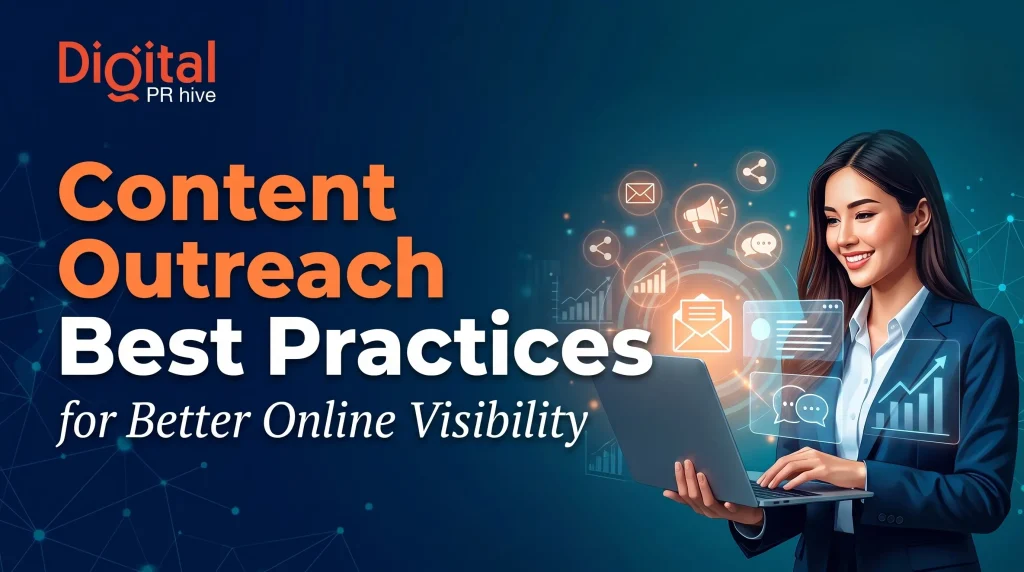
Content Outreach Best Practices for Better Online Visibility
Content Outreach is an essential digital marketing strategy that helps businesses expand their online visibility, connect with relevant audiences, and build relationships with publishers, bloggers, journalists, and industry professionals. Instead of relying only on publishing content on their own websites, businesses can promote valuable resources through external platforms that already attract their target audiences. This approach can generate referral traffic, increase brand awareness, and create opportunities to earn relevant backlinks.
Successful outreach requires more than sending emails or requesting links. Businesses must understand their audiences, develop useful content, personalize their communication, and establish genuine professional relationships. Integrating Reputation Monitoring, an effective Online PR Strategy, and Digital Public Relations can further strengthen outreach campaigns by helping brands identify relevant opportunities and maintain a consistent online presence. By following proven best practices, businesses can improve content distribution, establish credibility, and support sustainable search engine optimization growth.
Understanding the Importance of Content Outreach
Content Outreach involves promoting useful content to relevant individuals, publications, websites, and online communities that may find it valuable. These activities help businesses reach audiences beyond their existing followers and website visitors. When outreach focuses on relevance and quality, it can improve brand recognition, encourage meaningful engagement, and create opportunities for long-term digital growth.
Expanding Audience Reach
Publishing high-quality content does not guarantee that the right audience will discover it. Content Outreach helps businesses introduce their articles, research, guides, and other resources to people who are already interested in related subjects. Collaborating with relevant publishers and industry professionals can expose a brand to new readers who may become website visitors, subscribers, or potential customers.
Building Brand Credibility
When respected publications and relevant industry websites reference useful content, audiences may become more familiar with the brand behind it. These references can strengthen credibility when they are editorially appropriate and genuinely valuable to readers. Consistent outreach helps businesses establish professional relationships, demonstrate expertise, and develop a recognizable presence within their industries.
Develop a Targeted Content Outreach Strategy
 An effective outreach campaign begins with a clear strategy that connects content promotion to measurable business objectives. Businesses should identify their target audiences, select suitable publications, and determine which resources deserve promotion. A focused approach prevents wasted effort and helps marketing teams prioritize opportunities that can improve visibility, referral traffic, and relevant industry relationships.
Define Your Outreach Goals
Before contacting publishers or creators, businesses should determine what they want to achieve. Some campaigns focus on earning relevant editorial backlinks, while others prioritize brand mentions, referral traffic, media coverage, or relationship building. Defining these objectives makes it easier to choose suitable prospects, develop appropriate messages, and evaluate whether outreach activities are producing meaningful results.
Identify the Right Audience
Understanding the intended audience helps businesses find websites and professionals that align with their content. Marketers should consider industry relevance, audience interests, publication standards, and the types of topics each publisher covers. Reaching a smaller group of highly relevant prospects can produce better engagement than contacting a large number of unrelated websites with generic messages.
Create Valuable Content Worth Sharing
The quality of the content being promoted significantly influences outreach success. Publishers are more likely to consider resources that offer original insights, reliable information, practical solutions, or meaningful research. Businesses should develop content that addresses genuine audience needs and provides clear value instead of creating articles solely to obtain backlinks or mentions from external websites.
Publish Original and Informative Resources
Original research, detailed guides, expert commentary, case studies, and industry reports can provide strong reasons for other websites to reference a business. These resources offer information that readers may not easily find elsewhere. Businesses should support factual claims with reliable sources and present findings clearly so that publishers can evaluate the material and determine its relevance.
Make Content Easy to Reference
Well-structured content makes it easier for publishers to understand and reference important information. Clear headings, descriptive explanations, relevant data, and useful examples improve readability. When appropriate, businesses can also create original charts, downloadable resources, or expert quotations that support editorial coverage. The goal is to make the content genuinely useful rather than artificially attractive to search engines.
Personalize Your Outreach Communication
 Personalized communication helps businesses establish stronger connections with potential outreach partners. Publishers receive many promotional messages, so generic emails often struggle to attract attention. Effective outreach demonstrates familiarity with the recipient’s work, explains why the proposed content is relevant, and communicates its potential value without applying unnecessary pressure or making unrealistic promises.
Research Prospective Publishers
Before sending an outreach email, marketers should review the recipient’s website, recent articles, audience, and editorial preferences. This research helps identify relevant content opportunities and prevents inappropriate pitches. Mentioning a specific article or explaining how a resource complements the publication’s existing coverage demonstrates genuine interest and makes the communication more useful to the recipient.
Write Clear and Relevant Emails
An effective outreach email should have a concise subject line, a personalized opening, a clear explanation of the resource, and a relevant reason for contacting the recipient. Marketers should avoid exaggerated claims, excessive promotional language, and lengthy introductions. A polite closing with a simple next step allows publishers to evaluate the opportunity without feeling pressured to respond positively.
Use Reputation Monitoring to Identify Opportunities
Reputation Monitoring involves tracking how a brand appears across websites, digital publications, social platforms, and other online channels. It can support Content Outreach by helping businesses identify existing brand mentions, relevant industry discussions, and potential publishing opportunities. Monitoring these conversations also allows marketing teams to understand public perceptions and respond appropriately when important developments affect their online visibility.
Track Brand Mentions
Businesses can monitor brand names, product names, executive names, and important branded topics to discover where they are being discussed. When a relevant publication mentions a business without linking to its website, the marketing team may consider contacting the editor to provide additional information or request a link where appropriate. However, any request should respect editorial judgment and avoid implying that a link is automatically required.
Discover Relevant Content Opportunities
Monitoring industry discussions can reveal questions, emerging trends, and information gaps that deserve attention. Businesses can use these insights to develop new resources and identify publishers that cover related subjects. Responding with genuinely useful information helps outreach campaigns remain relevant and timely while supporting a more consistent and credible online presence.
Strengthen Outreach Through an Online PR Strategy
An effective Online PR Strategy connects content promotion with media relationships, brand messaging, and reputation management. Instead of treating every outreach email as an isolated activity, businesses can coordinate their efforts around relevant announcements, original research, expert insights, and industry developments. This approach helps organizations build stronger media connections and create consistent opportunities for meaningful online coverage.
Build Relationships With Journalists
Journalists and editors need accurate, relevant information that supports their reporting. Businesses can help by offering subject-matter expertise, original findings, clear commentary, and timely responses to media inquiries. Building relationships requires patience and professionalism rather than constant pitching. When businesses consistently provide useful information, journalists may become more familiar with their expertise and future contributions.
Share Newsworthy Information
Newsworthy content gives publications a stronger reason to consider a story. Examples include original research, meaningful product developments, industry surveys, and expert analysis of significant changes. Businesses should explain why the information matters to the publication’s audience and provide evidence that supports their claims. Relevant media coverage can improve awareness and create additional opportunities for content discovery.
Integrate Digital Public Relations With Content Outreach
 Digital Public Relations focuses on building brand awareness, credibility, and relationships through online publications, digital media, and relevant industry platforms. Integrating this approach with Content Outreach helps businesses coordinate editorial opportunities, expert contributions, and content promotion. Rather than focusing exclusively on backlinks, organizations can develop a broader presence that supports brand recognition, audience trust, and sustainable online visibility.
Collaborate With Industry Experts
Industry experts can contribute valuable perspectives through interviews, collaborative articles, expert roundups, and research-based discussions. These collaborations introduce businesses to relevant professional networks and provide audiences with useful insights. Businesses should select contributors based on expertise and audience relevance, ensuring that partnerships strengthen the quality of the content rather than simply increasing promotional exposure.
Maintain Consistent Brand Messaging
Consistent messaging helps audiences recognize and understand a business across different publications and digital channels. Brand descriptions, factual claims, expert biographies, and key messages should remain accurate while adapting to each publisher’s editorial requirements. This consistency supports credibility and reduces confusion when audiences encounter the brand through multiple outreach campaigns or external media references.
Follow SEO Best Practices During Content Outreach
Content Outreach can support search engine optimization when it helps relevant audiences discover useful resources and encourages independent editorial references. However, not every mention or backlink produces the same value. Businesses should prioritize topical relevance, content quality, and natural editorial decisions rather than pursuing large quantities of links through manipulative practices that may violate search engine guidelines.
Prioritize Relevant Editorial Backlinks
A relevant backlink comes from a page or website that provides meaningful context for the linked resource. Businesses should focus on publications whose audiences and subject matter align with their content. Editorial links earned because a resource genuinely supports an article are generally more sustainable than links obtained through paid schemes, automated outreach, or arrangements designed primarily to manipulate rankings.
Avoid Spammy Outreach Practices
Sending identical messages to hundreds of unrelated websites can damage a brand’s reputation and reduce response rates. Businesses should avoid misleading subject lines, irrelevant link requests, excessive follow-ups, and manipulative link-building arrangements. Personalized communication, selective prospecting, and respect for publisher preferences help create more professional campaigns and reduce the risk of outreach being perceived as spam.
Measure and Improve Content Outreach Performance
 Measuring campaign performance helps businesses understand which outreach activities contribute to their objectives. Instead of evaluating success solely by the number of emails sent or links acquired, marketers should examine response rates, relevant editorial placements, referral traffic, brand mentions, and conversions. Regular measurement makes it easier to identify successful approaches and improve future campaigns using reliable evidence.
Track Meaningful Performance Metrics
Useful outreach metrics include email response rates, positive reply rates, acquired editorial backlinks, referring domains, referral sessions, and conversions from outreach-driven traffic. Businesses may also monitor the quality of resulting media coverage and changes in brand visibility. The most appropriate measurements depend on campaign goals, and results should be interpreted alongside other marketing activities that may influence performance.
Refine Campaigns Using Results
Campaign analysis can reveal which topics attract publisher interest, which messages generate meaningful responses, and which prospect categories produce relevant outcomes. Businesses should use these findings to refine their content, improve targeting, and adjust communication. Testing different subject lines, outreach angles, and follow-up schedules can support continuous improvement when changes are measured consistently and responsibly.
Common Content Outreach Mistakes to Avoid
Content Outreach becomes less effective when businesses prioritize quantity over relevance, promote weak resources, or approach publishers without understanding their audiences. Other common problems include unrealistic expectations, inconsistent follow-ups, inaccurate personalization, and excessive focus on backlinks. Recognizing these mistakes allows marketing teams to improve their communication, protect their reputation, and develop more productive relationships with external publishers.
Focusing Only on Backlinks
Backlinks can be valuable, but they should not be the only objective of an outreach campaign. Brand awareness, referral traffic, expert positioning, and professional relationships may also produce meaningful long-term benefits. By offering resources that genuinely help readers, businesses can create stronger editorial opportunities and develop an online presence that extends beyond search engine rankings.
Ignoring Relationship Building
Successful outreach often requires repeated interactions before a strong professional relationship develops. Contacting publishers only when requesting a link can make communication feel transactional. Businesses should engage respectfully, share relevant resources when appropriate, and respond professionally to feedback. Long-term relationships can create opportunities for future collaborations, expert contributions, and relevant media coverage without guaranteeing any particular outcome.
Conclusion
Content Outreach is an important strategy for improving online visibility, expanding audience reach, and building meaningful relationships with publishers and industry professionals. Businesses can strengthen their results by creating valuable content, personalizing communication, targeting relevant prospects, and measuring performance consistently. Integrating Reputation Monitoring, an effective Online PR Strategy, and Digital Public Relations helps organizations discover opportunities, maintain credibility, and coordinate their online promotion efforts.
Sustainable outreach depends on relevance, authenticity, and consistent value. Businesses that respect editorial independence and focus on helping their audiences are better positioned to develop lasting relationships and earn meaningful exposure. By continuously improving their content and outreach processes, organizations can support stronger brand recognition, relevant referral traffic, and long-term digital marketing growth.
Frequently Asked Questions
1. What is Content Outreach?
Content Outreach is the process of promoting content to relevant publishers, bloggers, journalists, creators, and industry professionals. Its goals may include increasing brand visibility, earning editorial backlinks, generating referral traffic, and building professional relationships.
2. Why is Content Outreach important for SEO?
Content Outreach helps relevant audiences discover useful resources and can lead to editorial backlinks from appropriate websites. These links may support SEO, although results depend on relevance, quality, and other ranking factors. Outreach does not guarantee higher rankings.
3. How can businesses improve their Content Outreach success rate?
Businesses can improve success by researching prospects, creating valuable resources, personalizing emails, explaining the relevance of their content, and following up respectfully. Targeting suitable publishers is generally more effective than sending large volumes of generic messages.
4. How does Reputation Monitoring support Content Outreach?
Reputation Monitoring helps businesses discover brand mentions, industry conversations, and potential editorial opportunities. These insights can guide outreach campaigns and help organizations understand how their brands are discussed across relevant online channels.
5. What is the role of an Online PR Strategy in Content Outreach?
An Online PR Strategy connects content promotion with media relationships, brand messaging, and newsworthy information. It helps businesses coordinate outreach efforts and pursue relevant opportunities for online coverage and audience engagement.
6. How does Digital Public Relations help improve online visibility?
Digital Public Relations helps businesses develop awareness and credibility through online media, publications, and expert contributions. It can complement Content Outreach by expanding brand exposure and creating opportunities for relevant editorial references.
7. What types of content work best for outreach?
Original research, detailed guides, industry reports, expert interviews, case studies, and practical resources often provide useful outreach opportunities. The best format depends on the target audience, publication preferences, and the value the content offers readers.
8. How can businesses measure Content Outreach performance?
Businesses can evaluate response rates, positive replies, editorial placements, relevant backlinks, referral traffic, brand mentions, and conversions. Metrics should reflect campaign objectives rather than relying exclusively on email volume or the total number of links acquired.
9. How often should businesses follow up on outreach emails?
A polite follow-up after several business days may be appropriate when the opportunity remains relevant. Businesses should avoid excessive reminders and stop contacting recipients who decline or request no further communication. Follow-up timing should reflect the recipient’s preferences and the urgency of the opportunity.
10. Is Content Outreach suitable for small businesses?
Yes, small businesses can use Content Outreach to connect with niche publications, industry bloggers, local media, and relevant professional communities. Starting with a focused list of prospects and a few high-quality resources can help them build visibility without requiring a large marketing budget.