Reputation Monitoring Best Practices for Online Brand Growth
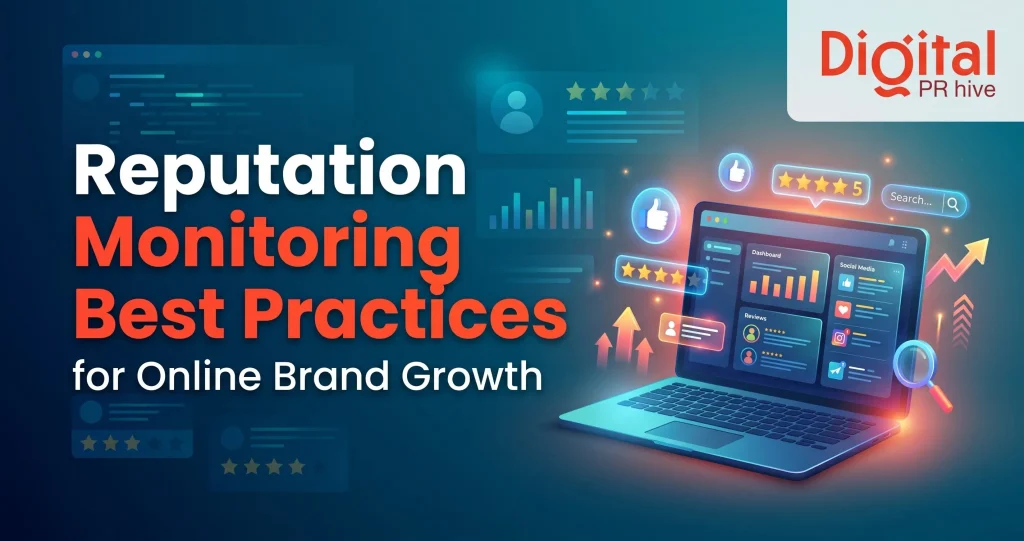
Reputation Monitoring is essential for businesses that want to build customer trust, maintain a positive online presence, and achieve sustainable growth. Customers frequently research brands through search engines, social media platforms, review websites, and online publications before making purchasing decisions.
Their opinions and experiences can significantly influence how potential customers perceive a business. By monitoring online conversations, customer feedback, and public brand references, businesses can identify opportunities, respond to concerns, and protect their credibility. Effective Reputation Monitoring also helps organizations understand Brand Mentions, strengthen Online Brand Visibility, and use strategies such as Press Release Distribution to communicate important updates. With a consistent monitoring process, businesses can improve customer relationships and establish a stronger digital presence.
Understanding Reputation Monitoring
Reputation Monitoring involves tracking and evaluating how customers, industry professionals, journalists, and online communities discuss a business across digital platforms. It helps organizations understand public perception and identify changes in customer sentiment before they become larger concerns. Instead of waiting for negative feedback to spread, businesses can use monitoring practices to respond proactively and maintain their credibility.
Why Reputation Monitoring Matters
A positive reputation can influence customer confidence, purchasing decisions, and long-term loyalty. When people discover consistent reviews, helpful responses, and credible brand information, they may feel more comfortable choosing a business. Monitoring also helps organizations identify recurring complaints, understand customer expectations, and recognize positive experiences that deserve attention. These insights support better decision-making and sustainable brand development.
Track Brand Mentions Across Digital Platforms
 Brand Mentions are references to a company, its products, services, or representatives across websites, social networks, forums, news publications, and other digital channels. Some mentions directly tag a business, while others discuss it without including an official account or link. Tracking these conversations helps organizations understand where their names appear and how audiences respond to their offerings.
Identify Important Mention Sources
Businesses should monitor major social media platforms, industry forums, customer review websites, online news outlets, blogs, and relevant discussion communities. Search engines can also reveal articles or pages that mention a company. Creating alerts for brand names, product names, common spelling variations, and executive names can help identify relevant conversations. Regular monitoring makes it easier to discover customer questions, positive recommendations, and emerging reputation concerns.
Use Reputation Monitoring Tools Effectively
Reputation Monitoring tools help businesses collect information about online discussions without manually checking every website. Depending on their features, these tools can track brand references, analyze sentiment, monitor reviews, identify trending conversations, and notify teams about important changes. Selecting suitable tools allows organizations to focus on relevant information and respond to customer feedback more efficiently.
Choose Tools Based on Business Needs
Small businesses may begin with search engine alerts, social media notifications, and review platform dashboards. Growing organizations may benefit from specialized monitoring platforms that provide sentiment analysis, reporting, keyword tracking, and competitor comparisons. Businesses should evaluate monitoring coverage, reporting accuracy, ease of use, and pricing before choosing a solution. The goal is to collect actionable insights rather than generate large amounts of information that teams cannot use.
Respond to Customer Reviews and Feedback
Customer reviews influence how people evaluate a business before contacting its team or purchasing its products. Reputation Monitoring helps organizations discover positive reviews, service complaints, and recurring customer concerns across relevant platforms. Timely and professional responses demonstrate that the business values customer experiences. They also provide an opportunity to correct misunderstandings and show potential customers that concerns receive appropriate attention.
Build a Consistent Response Strategy
Businesses should establish clear guidelines for responding to positive, neutral, and negative feedback. Positive reviews deserve genuine appreciation, while complaints require respectful communication and practical solutions. When an issue involves private information, the response should invite the customer to continue the conversation through an appropriate private channel. Organizations should avoid arguments, exaggerated promises, or defensive statements that may worsen public perception.
Improve Online Brand Visibility Through Consistent Monitoring
Online Brand Visibility refers to how easily people can discover a business across search engines, social platforms, publications, directories, and other digital channels. Reputation Monitoring helps organizations understand which sources discuss their brands and whether the available information supports their intended image. By reviewing online mentions and search results, businesses can identify missing information, inaccurate listings, and opportunities to strengthen their digital presence.
Maintain Accurate Brand Information
Businesses should ensure that their website, contact details, business descriptions, service information, and social profiles remain accurate and consistent. Outdated information can confuse potential customers and reduce confidence. Monitoring branded search results can also reveal old announcements, misleading claims, or incomplete company profiles. Updating owned channels and requesting corrections from relevant publishers can help create a clearer and more trustworthy online presence.
Use Press Release Distribution to Strengthen Brand Credibility
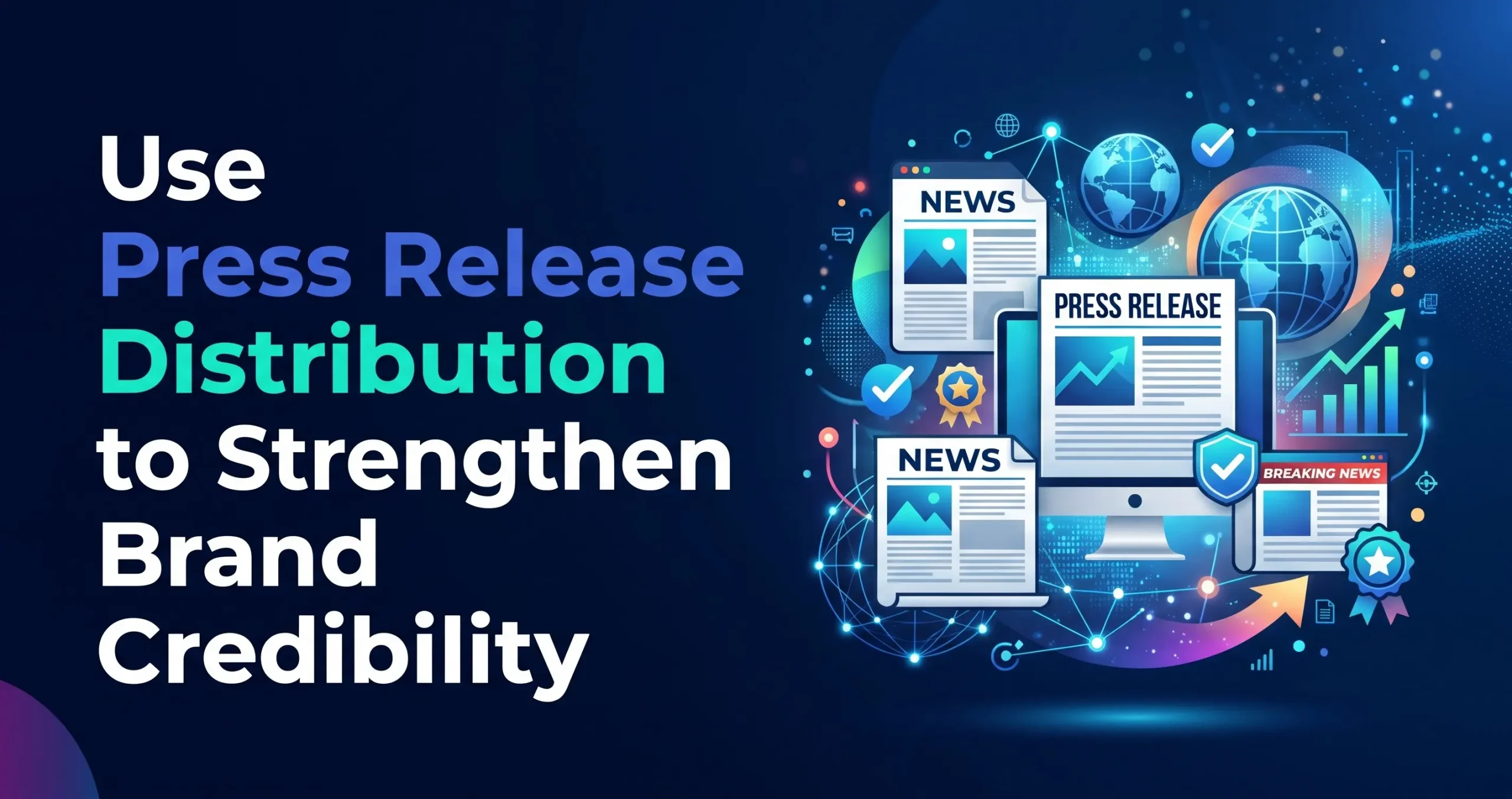 Press Release Distribution helps businesses communicate important announcements to journalists, industry publications, news platforms, and other relevant audiences. It can support Reputation Monitoring by providing credible information that audiences and media professionals can reference when researching a company. Announcements about new services, company milestones, partnerships, research, and community initiatives can reinforce a brand’s public identity when they offer genuine news value.
Share Newsworthy and Accurate Information
An effective press release should present factual information, explain why the announcement matters, and provide useful details for readers. Businesses should select distribution channels based on their target audience, industry relevance, and editorial standards. Press releases should not be treated as a guaranteed way to remove negative search results or secure media coverage. Instead, they should contribute to a broader communication strategy built on transparency, credibility, and meaningful updates.
Analyze Sentiment and Identify Reputation Trends
Sentiment analysis helps businesses understand whether online discussions express positive, negative, or neutral opinions. When combined with Reputation Monitoring, it can reveal changes in customer perception and highlight issues that require investigation. However, automated sentiment tools may misinterpret sarcasm, context, slang, or industry-specific expressions. Organizations should therefore use sentiment results as indicators for further review rather than treating every automated classification as definitive evidence.
Turn Monitoring Data Into Actionable Insights
Businesses should examine repeated complaints, frequently praised services, changes in review ratings, and discussions surrounding product launches or customer service experiences. Comparing these patterns over time helps teams identify whether their actions improve public perception. For example, a rise in complaints about delivery delays may indicate a need to review fulfillment processes. Using insights to improve operations makes monitoring more valuable than simply collecting mentions.
Monitor Competitors and Industry Conversations
Competitor monitoring helps businesses understand how audiences discuss alternative products, services, and customer experiences. It can reveal unmet customer needs, emerging industry concerns, and opportunities to differentiate a brand. However, the objective should be learning from public information rather than copying competitors or engaging in misleading comparisons. A thoughtful approach helps organizations improve their own messaging, service quality, and customer experience.
Identify Opportunities for Differentiation
Businesses can review competitor mentions, public reviews, industry discussions, and media coverage to identify features customers appreciate or problems they frequently report. These insights may highlight opportunities to improve service delivery, explain product benefits more clearly, or address overlooked customer questions. Organizations should combine competitor observations with their own customer research before changing their strategies. This ensures that decisions reflect actual business goals and audience needs.
Create a Reputation Management Response Plan
 A documented response plan helps businesses manage reputation concerns consistently, especially when negative conversations spread quickly. It should explain who monitors online channels, who approves public statements, how urgent issues are escalated, and when specialist support is required. Without clear responsibilities, businesses may respond too slowly or communicate inconsistent messages that create further confusion.
Prepare for Potential Reputation Risks
Organizations should classify issues according to their potential impact, such as routine customer complaints, widespread service problems, inaccurate public claims, or serious security incidents. Each category should have an appropriate review and escalation process. Teams should verify information before publishing responses and communicate only what they can substantiate. For significant incidents, legal, security, or communications professionals may need to review statements before they are released.
Measure Reputation Monitoring Performance
Measuring performance helps businesses determine whether their monitoring activities improve customer relationships and support brand growth. Relevant indicators may include review response time, review sentiment trends, the volume and context of Brand Mentions, customer complaint resolution rates, and changes in referral traffic. These metrics provide a clearer picture of reputation health when interpreted together instead of relying on a single score.
Review Results and Refine Your Strategy
Businesses should establish a baseline and review performance regularly, using weekly checks for urgent issues and monthly reports for broader trends. They should connect monitoring results with customer support data, marketing performance, and customer feedback wherever practical. If negative comments repeatedly concern the same issue, the appropriate response may involve operational improvements rather than additional promotional activity. Continuous evaluation keeps Reputation Monitoring aligned with real customer needs.
Conclusion
Reputation Monitoring supports online brand growth by helping businesses understand public conversations, address customer concerns, and strengthen their credibility. Tracking Brand Mentions, responding to reviews, improving Online Brand Visibility, and using Press Release Distribution strategically can contribute to a more trustworthy digital presence. Businesses should also analyze sentiment, monitor industry discussions, prepare response plans, and measure results consistently. The most effective approach combines suitable monitoring tools with human judgment, accurate communication, and genuine improvements to customer experience. By making reputation management an ongoing business activity, organizations can protect their public image, build stronger relationships, and create a solid foundation for long-term growth.
Frequently Asked Questions
1. What is Reputation Monitoring?
Reputation Monitoring is the process of tracking online discussions, customer reviews, media coverage, and public references to understand how people perceive a business, product, or brand.
2. Why is Reputation Monitoring important for online brand growth?
It helps businesses identify customer concerns, protect credibility, discover positive feedback, and improve communication. These activities can strengthen trust and support long-term customer relationships.
3. How often should a business monitor its online reputation?
Businesses should check important channels regularly, ideally every day for urgent mentions and customer reviews. Broader reputation reports can be reviewed weekly or monthly, depending on business size and risk.
4. What are Brand Mentions?
Brand Mentions are online references to a company’s name, products, services, or representatives. They may appear in social media posts, news articles, blogs, forums, and customer reviews.
5. Which tools can help with Reputation Monitoring?
Search engine alerts, social listening platforms, review management systems, and media monitoring tools can help track online conversations. The best choice depends on the business’s budget, audience, and monitoring requirements.
6. How does Reputation Monitoring improve Online Brand Visibility?
It helps businesses identify where their names appear online, discover inaccurate information, and find opportunities to strengthen relevant brand profiles. Consistent and accurate information makes it easier for audiences to understand the business.
7. Can Press Release Distribution improve brand reputation?
Press Release Distribution can communicate credible company news and make important updates accessible to relevant audiences. Its effectiveness depends on newsworthiness, accuracy, suitable distribution channels, and the quality of the announcement.
8. How should businesses respond to negative reviews?
Businesses should acknowledge the concern, remain professional, verify the facts, and offer a practical next step. When necessary, they should move sensitive discussions to a private channel and avoid arguing publicly.
9. What metrics should businesses use to measure Reputation Monitoring?
Useful metrics include review response time, complaint resolution rates, review sentiment, Brand Mentions, recurring customer concerns, and relevant referral traffic. Businesses should evaluate trends over time rather than relying on one metric.
10. Is Reputation Monitoring useful for small businesses?
Yes. Small businesses can use free alerts, social media notifications, and review platform dashboards to understand customer feedback. Consistent monitoring helps them address problems early and build credibility without requiring a large marketing budget.