Optimizing Digital PR for Voice Search: 5 Key Strategies

In today’s digital landscape, voice assistants like Amazon Alexa, Google Assistant, and Apple Siri have transformed how audiences discover information. With more than half of smartphone users turning to voice commands for search queries, businesses must refine their digital PR strategies for voice search optimization. Integrating voice-friendly content ensures that your brand remains top of mind when potential customers ask questions aloud. This article explores five essential approaches to align your digital PR efforts with the nuances of conversational search in this year (2026).
First, press materials need to mirror natural language, anticipating how individuals articulate queries in everyday dialogue. Second, deploying structured data and schema markup signals search engines and voice platforms to interpret your content accurately, increasing the chances of being featured as a spoken answer. Third, producing audio-based assets like podcasts and voice briefs bridges traditional PR storytelling with voice-enabled channels. Fourth, collaborating with voice-first influencers—podcast hosts, skill developers, and virtual event moderators—can extend your reach directly into users’ devices. Finally, continuous monitoring and refinement of performance metrics ensure your voice search optimization initiatives deliver measurable impact.
By weaving these tactics into your digital PR campaigns, you will not only boost discoverability but also cultivate deeper engagement with your audience. Backed by insights from institutions such as Pew Research Center and technical guidance from NIST speech recognition programs, this guide provides actionable steps for brands to pioneer voice search optimization strategies today. Throughout this guide, you will discover best practices, examples, and practical tips to ensure your messaging resonates with voice-enabled audiences.
Tailoring Press Materials for Conversational Queries
Voice search optimization requires reimagining traditional press materials to match the conversational tone of natural speech. While standard press releases often rely on formal language and industry jargon, spoken queries favor everyday vocabulary and question-driven phrasing. By designing your announcements around how users ask questions, you increase the likelihood of voice assistants retrieving and reading your content aloud.
Craft Question-Centric Headlines
Audiences using voice commands typically frame requests as full questions. Instead of a headline like “Brand X Launches New Eco Initiative,” opt for “How Will Brand X’s New Eco Initiative Reduce Carbon Footprint?” This approach aligns with the structure of voice queries and improves chances of capturing featured answers. When you anticipate questions within your title, you signal search engines and assistants that your content directly addresses user intent.
Embed FAQ Segments for Direct Responses
Including a brief FAQ section within your release allows voice assistants to extract concise answers immediately. Organize frequent inquiries in a Q&A format, each with a clear, 40–60 word response. This ensures the assistant can deliver precise information without additional context, aligning with best practices for voice search optimization.
Adopt a Conversational Tone
Shift from passive constructions to active voice, and replace technical terms with everyday language. Sentences like “The initiative will be implemented by the company” become “We’re rolling out this initiative to cut emissions.” This natural tone not only resonates with voice audiences, but also enhances comprehension when rendered aurally.
Provide Clear Summaries
Start each press release with a concise summary paragraph of 1–2 sentences that encapsulates the core message. Voice assistants often read the opening lines first; a strong summary ensures they deliver impactful information at the outset. This quick-hit overview assists listeners who seek immediate context.
Leveraging Structured Data and Schema Markup
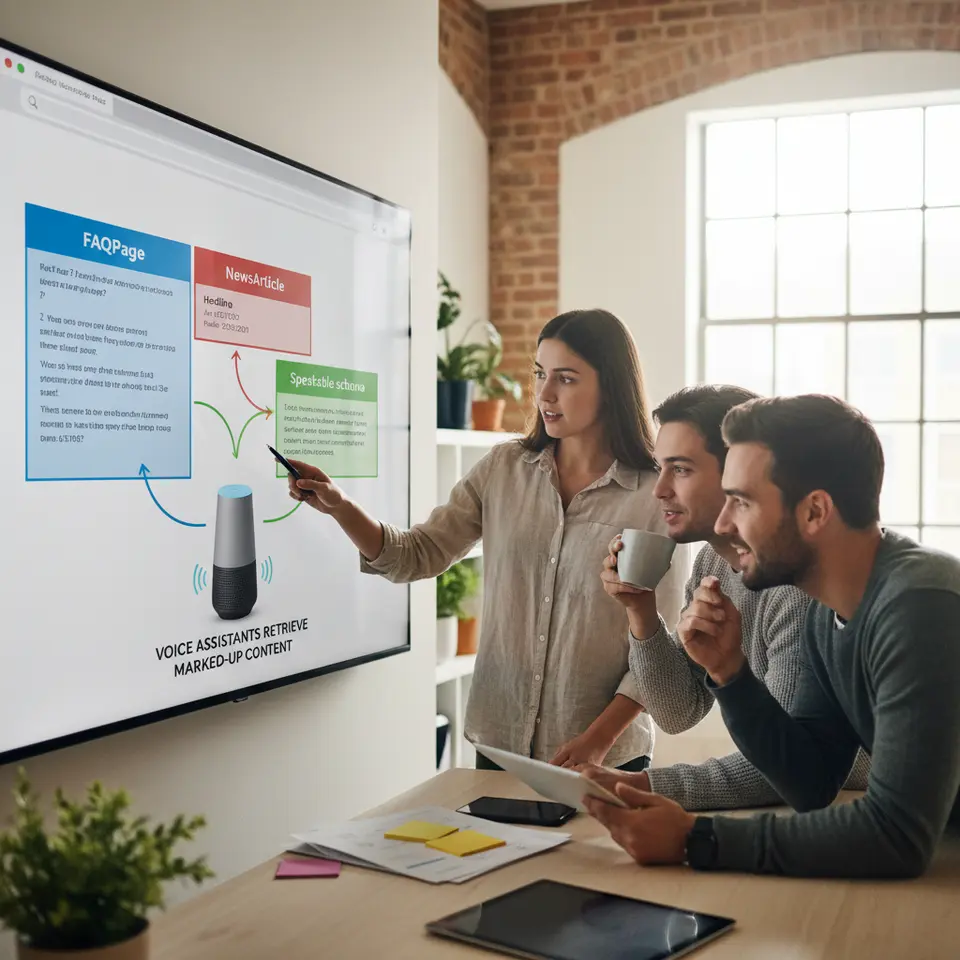
Structured data is a cornerstone of voice search optimization, offering search engines and assistants a roadmap to understand your content’s context. By annotating your pages with schema.org markup, you increase the likelihood of being chosen for featured snippets or spoken answers in voice results.
Implement FAQPage Schema
When you embed FAQPage markup around your Q&A sections, voice platforms can identify and retrieve your content for relevant queries automatically. This schema type is designed to target conversational questions, making it easier for assistants to deliver succinct responses directly from your page.
Use NewsArticle Schema for Press Releases
Applying NewsArticle markup to your online press materials ensures eligibility within Google News voice results. By marking properties like headline, datePublished, and author, you provide structured context that voice assistants use to verify the relevance and timeliness of your announcements.
Highlight Speakable Sections
Speakable schema pinpoints the specific paragraphs or sentences optimized for auditory consumption. You signal to voice platforms which content segments are appropriate for reading aloud. This selective markup helps ensure that assistants prioritize your designated soundbites when responding to voice queries.
Validate Your Markup Regularly
Use testing tools such as the Google Structured Data Testing Tool to confirm that your schema implementations are error-free. Regular validation ensures uninterrupted indexing and reduces the risk of markup-related penalties.
Creating and Distributing Audio-Driven Content
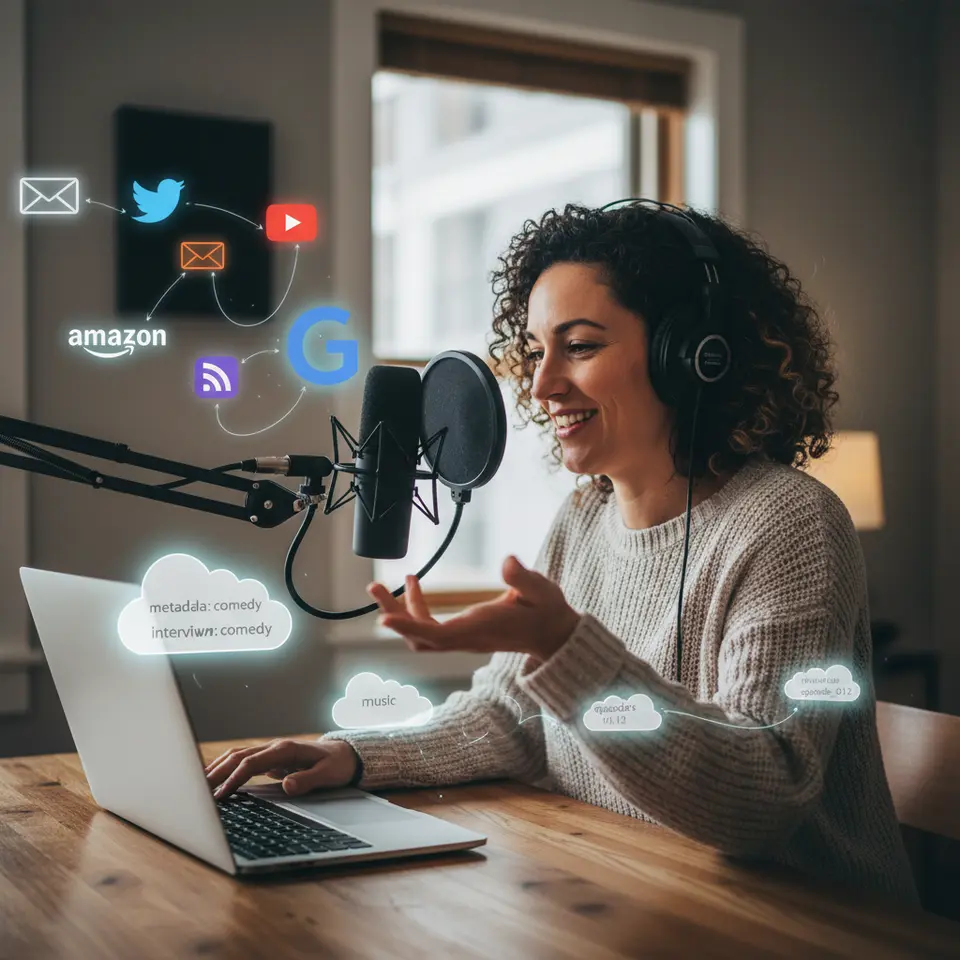
Audio content bridges the gap between written PR narratives and voice-first platforms. By developing podcasts, interviews, and voice-activated briefs, brands can deliver stories directly into users’ ears—enhancing engagement and supporting voice search optimization goals.
Launch a Branded Podcast
Hosting a weekly or biweekly podcast allows you to explore industry topics, interview experts, and share behind-the-scenes insights. Optimize episode titles and descriptions with natural-language keywords that mirror common voice queries. For instance, an episode titled “What Does Sustainability Mean for Gadget Makers?” aligns with conversational search patterns.
Produce Audio Press Kits
Create short MP3 soundbites summarizing major announcements or product updates. Tag these files with Speakable schema so voice assistants can play them upon request. Distribute them through popular podcast hosting platforms and embed them on your press pages to maximize accessibility.
Develop Voice Skills and Actions
Building native capabilities for Alexa Skills and Google Actions offers users an interactive way to access your news on demand. Enable features like “Ask Brand X for the latest product launch” or “Good morning, Brand X” to deliver daily updates. These voice apps strengthen brand recall and deepen user engagement.
Cross-Promote Across Channels
Share audio content links on social media, email newsletters, and your website’s homepage. Encourage audiences to subscribe on multiple platforms to boost listenership. Consistent promotion supports voice search optimization by generating user signals that platforms interpret as popularity indicators.
Engaging with Voice-First Influencers
Influencer marketing has expanded beyond text and visual media. Voice-first influencers—podcast hosts, Clubhouse moderators, and voice app developers—offer direct access to audiences already primed for auditory content. Collaborating with these creators amplifies your PR narrative in authentic, spoken form.
Identify Niche Voice Hosts
Research podcasters, voice channel moderators, and skill developers whose audiences align with your brand values. Tools like ListenNotes and Chartable help you discover hosts within specific verticals, from technology to sustainability. Prioritize influencers with high engagement rates and a track record of topic relevance.
Offer Exclusive Audio Interviews
Provide voice-first influencers with behind-the-scenes interviews or first-access announcements. These exclusive soundbites encourage hosts to feature your content and discuss it in-depth, enhancing credibility and driving new listeners to your channels.
Co-Create Interactive Voice Experiences
Collaborate on branded voice quizzes or trivia games that engage listeners in a playful yet informative way. For example, a sustainability-themed quiz hosted by an influencer can highlight your eco-friendly initiatives while entertaining participants. Interactive formats boost retention and encourage word-of-mouth referrals.
Monitor Influencer Performance
Track referral traffic, social mentions, and user feedback generated by each influencer partnership. Use UTM parameters and listening analytics to quantify the impact of voice-first collaborations on overall voice search optimization goals.
Measuring and Refining Voice Search Performance
Ongoing measurement is essential to refine and validate your voice search optimization strategies. By analyzing key metrics, you can identify what resonates with voice audiences and where adjustments are needed.
Track Voice Query Rankings
Utilize specialized tools such as Ahrefs Voice Search or SEMrush’s Voice Search Analytics to monitor which queries trigger your brand in spoken results. Pay attention to the questions where you rank highly, and expand related content to capture adjacent queries.
Analyze Featured Snippet Share
Featured snippets, often called “Position Zero,” play a significant role in voice results. Record how frequently your content secures these positions and aim to improve by refining answer clarity and structure. Short, direct responses of 40–60 words remain ideal for voice extraction.
Monitor Engagement Duration
For audio assets, measure average listen times via your hosting platform’s analytics. Longer engagement suggests strong audience interest. Identify drop-off points to tweak content format, pacing, or topics for future episodes and briefs.
Assess Conversion Impact
Evaluate how voice-driven interactions influence on-site behavior. Track lead form submissions, product page visits, or newsletter sign-ups linked to voice traffic. Use goal funnels in Google Analytics to isolate journeys that begin with voice queries.
Refine and Iterate
Based on performance insights, update your press releases, schema markup, and audio formats. Continuous optimization ensures your digital PR for voice search remains aligned with evolving user behavior patterns.
Frequently Asked Questions
What is voice search optimization and why is it important for digital PR?
Voice search optimization involves tailoring content to match how users speak to voice assistants. For digital PR, it improves discoverability when audiences use natural language queries, increasing the chance that your press materials appear as spoken answers.
How does schema markup enhance voice search visibility?
Schema markup provides structured context that search engines and voice platforms use to understand page content. Types like FAQPage and Speakable help assistants identify which segments to read aloud in response to user queries, boosting visibility in voice results.
Can audio-driven content like podcasts directly influence voice search rankings?
While audio content itself doesn’t rank in search engines, it generates user engagement signals—like subscriptions and listens—that platforms interpret as popularity indicators. These signals can indirectly support your voice search optimization goals by reinforcing brand authority.
What metrics should I track to measure voice search performance?
Key metrics include voice query rankings, featured snippet share, audio engagement duration, and conversion actions from voice-driven traffic. Monitoring these indicators helps refine your content and schema strategies for better voice search outcomes.
Conclusion
Voice search optimization represents a transformative frontier in digital PR. By tailoring your press materials for conversational queries, implementing structured data, crafting audio-driven content, engaging with voice-first influencers, and rigorously measuring outcomes, you forge deeper connections with your audience in an increasingly voice-enabled world. Each tactic reinforces the next—conversational headlines support schema markup, which amplifies audio briefs, all amplified through influencer channels and validated by analytics.
As voice assistants become ever more integrated into daily routines, brands that adapt their digital PR strategies today will lead the market tomorrow. Embrace these five strategies to boost discoverability, enhance user engagement, and secure your place at the forefront of voice search optimization in this year (2026). When you align your messaging with how people speak, you not only capture attention—you become part of the conversation.