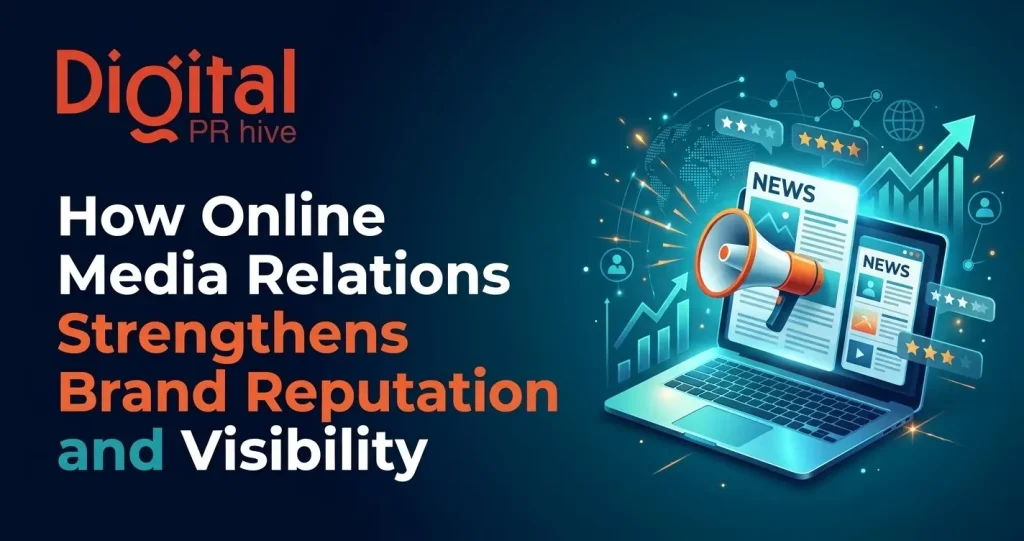
How Online Media Relations Strengthens Brand Reputation and Visibility
Online Media Relations has become an important part of modern business communication because customers increasingly depend on digital platforms to discover brands, evaluate products, and form opinions about companies. Businesses need more than traditional advertising to establish credibility and maintain a positive public image. They must build meaningful relationships with online journalists, publishers, industry experts, bloggers, and digital media platforms to communicate their messages effectively. A strong media presence helps organizations reach relevant audiences, share valuable information, and establish long-term brand recognition.
In today’s competitive digital environment, positive media coverage can influence how customers, partners, and potential investors perceive a business. Strategic communication also helps companies respond to public concerns, manage negative publicity, and maintain consistent brand messaging across different channels. By combining Reputation Monitoring, Online PR Strategy, and Digital Public Relations, organizations can strengthen their credibility and improve their online presence. Understanding how online media relations works allows businesses to develop stronger communication strategies and build sustainable relationships with their target audiences.
Understanding Online Media Relations and Its Importance
Online media relations refers to the process of building and maintaining professional relationships with digital journalists, online publications, bloggers, industry influencers, and other media representatives. Its primary purpose is to communicate relevant business information, secure meaningful media coverage, and establish a trustworthy public image through digital channels.
Unlike traditional media relations, which mainly focuses on newspapers, television, and radio, online media relations operates across websites, digital magazines, news platforms, podcasts, and social media. These channels allow businesses to communicate with wider audiences and distribute important announcements more efficiently. Companies can use online media relationships to introduce new products, share industry insights, announce business developments, and respond to public concerns.
How Online Media Relations Works
Online media relations involves identifying relevant publications, developing professional media connections, preparing informative content, and communicating newsworthy business updates. Public relations professionals research journalists and publishers whose audiences align with the company’s industry and communication objectives.
Businesses may distribute press releases, offer expert commentary, provide interviews, and share original research to attract editorial attention. When publications consider the information valuable to their readers, they may feature the company in relevant articles or industry discussions. This exposure can increase brand recognition and strengthen public credibility.
Building a Strong Brand Reputation Through Media Coverage
 Brand reputation influences how customers evaluate a business before making purchasing decisions. Positive media coverage can strengthen this reputation by presenting a company as knowledgeable, reliable, and relevant within its industry. When respected publications discuss a business, their audiences may develop greater confidence in its products, services, and professional expertise.
Online media relations helps organizations communicate their achievements and demonstrate their industry knowledge through credible external platforms. Consistent communication also gives businesses opportunities to explain their values, introduce improvements, and share meaningful developments that support a positive public image.
Establishing Brand Credibility
Credibility is an important factor in building long-term relationships with customers and business partners. When a company receives relevant coverage from established publications, audiences gain access to information about the organization through an external source rather than relying entirely on promotional advertisements.
Businesses can strengthen this credibility by providing accurate information, supporting claims with evidence, and offering useful insights to journalists. Expert interviews, industry contributions, and informative media features help demonstrate professional knowledge. Over time, these activities can improve brand recognition and create stronger public confidence.
Developing Consistent Brand Messaging
Consistent communication helps audiences understand what a company represents and what makes its products or services valuable. Businesses should maintain a recognizable tone, accurate company information, and clear messaging across press releases, interviews, media statements, and digital publications.
A consistent communication approach also reduces confusion when multiple departments or representatives communicate with external media. Companies can prepare approved messaging guidelines and update their information regularly to ensure that journalists receive accurate details. This creates a more professional brand identity across digital channels.
The Role of Reputation Monitoring in Online Media Relations
Reputation Monitoring involves tracking online conversations, media mentions, customer feedback, and public discussions that may influence how people perceive a business. It helps organizations understand what audiences are saying about their brands and identify potential communication problems before they become larger reputation challenges.
Online media relations becomes more effective when businesses continuously monitor their digital presence. By observing media coverage and public reactions, companies can identify positive publicity opportunities, respond to inaccurate information, and understand changing audience expectations. Monitoring also provides valuable insights for improving future communication strategies.
Tracking Brand Mentions Across Digital Platforms
Customers, journalists, bloggers, and industry professionals may discuss a company across news websites, social networks, review platforms, and online communities. Businesses need to understand where these conversations happen and what topics generate the most attention.
Media monitoring tools can help organizations identify brand mentions, analyze discussion trends, and discover publications that regularly cover their industries. These insights allow communication teams to participate in relevant conversations and maintain awareness of their public image.
Responding to Negative Publicity
Negative publicity can affect customer confidence when businesses fail to address public concerns appropriately. Online media relations helps companies respond through accurate statements, transparent explanations, and professional communication with relevant media representatives.
Organizations should investigate the source of negative coverage before issuing responses. When mistakes occur, acknowledging responsibility and explaining corrective actions can demonstrate accountability. A timely and respectful response may help reduce misunderstandings and protect long-term brand relationships.
Developing an Effective Online PR Strategy
A successful Online PR Strategy provides a structured approach to communicating with digital media and reaching relevant audiences. It helps businesses determine their communication objectives, identify suitable publications, prepare newsworthy information, and evaluate media coverage. Without a clear strategy, public relations activities may become inconsistent and produce limited results.
Businesses should develop communication plans based on their target audiences, industry requirements, and brand positioning. Their approach should focus on providing useful information rather than repeatedly promoting products or services. Relevant stories, expert opinions, research findings, and meaningful company developments are more likely to attract editorial interest.
Identifying Relevant Media Outlets
Choosing the right media outlets is important because not every publication reaches the same audience. Businesses should research digital newspapers, industry blogs, online magazines, business publications, and specialist websites that cover relevant subjects.
For example, a technology company may benefit from coverage in cybersecurity publications, software development blogs, and business technology magazines. Targeting relevant outlets helps organizations reach readers who are more likely to understand their products and services. It also improves the relevance of media outreach activities.
Creating Newsworthy Press Releases
Press releases help businesses communicate important announcements in a professional and organized format. They can introduce new products, announce partnerships, share company milestones, explain industry developments, or communicate significant organizational changes.
An effective press release should provide clear information, an informative headline, relevant background details, and accurate supporting facts. Businesses should avoid exaggerated promotional language because journalists generally look for information that offers genuine value to their audiences. Well-prepared announcements can improve media interest and create opportunities for meaningful coverage.
Strengthening Digital Public Relations Through Online Channels
 Digital Public Relations focuses on building brand credibility and maintaining relationships with online audiences through media coverage, expert contributions, digital publications, and other communication activities. It combines traditional public relations principles with modern digital channels to improve visibility and strengthen a company’s public image.
Online media relations supports digital PR by creating opportunities for businesses to appear in relevant publications and industry discussions. These activities can also contribute to brand discovery, referral traffic, and online authority. However, successful digital PR requires consistent communication and genuine editorial value rather than focusing only on obtaining links or mentions.
Building Relationships With Journalists and Publishers
Strong media relationships develop through trust, professionalism, and consistent communication. Businesses should understand the interests of journalists and provide information that matches their publication topics and audience expectations.
Instead of sending identical promotional messages to every media contact, companies should personalize their outreach and explain why a particular story may interest the publication. Respecting editorial deadlines, providing accurate supporting materials, and responding promptly to questions help establish professional relationships that may support future media opportunities.
Using Expert Opinions and Industry Insights
Expert contributions allow businesses to demonstrate their knowledge while providing useful information to online publications. Company executives, industry specialists, and experienced professionals can participate in interviews, provide commentary, and contribute insights about relevant industry developments.
These contributions help audiences understand complex topics and give publications access to informed perspectives. When businesses consistently provide valuable expertise, they may become recognized sources within their industries. This can improve professional credibility and create additional opportunities for digital media exposure.
Increasing Brand Visibility and Audience Engagement
Brand visibility determines how easily potential customers can discover and recognize a company across digital platforms. Online media relations increases visibility by creating opportunities for businesses to appear in relevant publications, industry discussions, interviews, and digital news coverage.
Media exposure can introduce a brand to audiences who may not have discovered it through direct advertising or search engines. However, visibility alone does not guarantee meaningful business results. Companies must ensure that their media communication provides relevant information and encourages audiences to explore their products, services, or expertise.
Reaching New and Relevant Audiences
Online publications attract readers with different interests, professional backgrounds, and purchasing needs. Businesses can use targeted media outreach to introduce their brands to audiences who are already interested in related industry topics.
For example, a financial technology company may reach potential customers through business news platforms and financial technology publications. Relevant media coverage helps the organization communicate with people who have a genuine interest in its services, improving the potential value of its digital exposure.
Supporting Search Engine Visibility
Online media coverage can support search visibility when reputable publications mention a company’s brand, products, or expertise. Editorial mentions and naturally earned backlinks may help improve brand discovery and contribute to a stronger digital presence.
However, media coverage does not automatically guarantee higher search rankings. Search performance depends on several factors, including content relevance, website quality, technical SEO, and the overall authority of a website. Businesses should prioritize meaningful editorial coverage and avoid manipulative link-building practices.
Measuring the Success of Online Media Relations
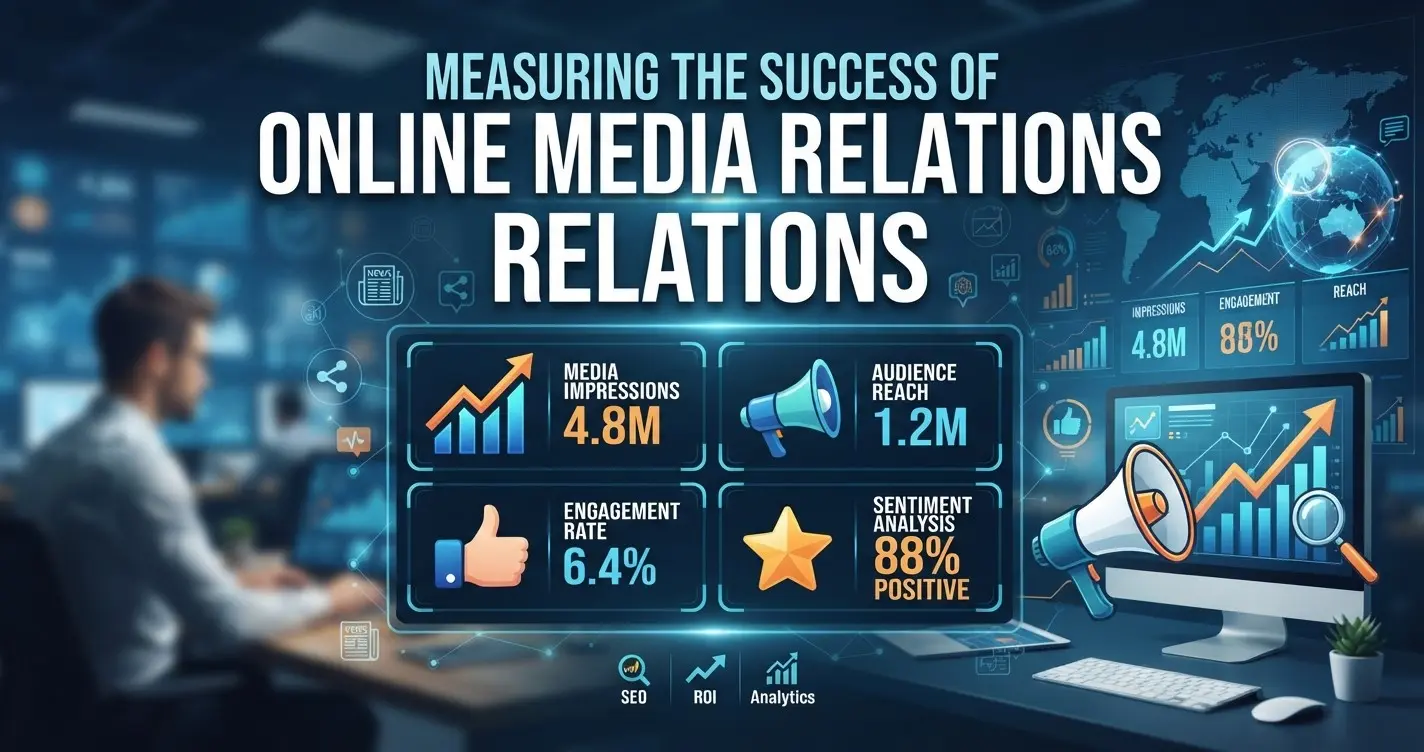 Evaluating media relations performance helps businesses understand whether their communication activities support their wider marketing and reputation objectives. Organizations should measure both the quantity and quality of media exposure rather than focusing exclusively on the number of published articles.
A structured evaluation process helps identify successful outreach activities, understand audience responses, and improve future campaigns. Businesses can compare media coverage with website traffic, engagement, brand mentions, and relevant business outcomes to understand the broader impact of their public relations efforts.
Monitoring Media Coverage and Engagement
Media coverage can be evaluated through publication relevance, audience reach, brand mention frequency, referral traffic, and the quality of the published content. These indicators help businesses understand whether their stories are reaching appropriate audiences and generating meaningful attention.
Organizations can also examine how audiences respond to media coverage through website visits, social media discussions, and inquiries. Combining these measurements provides a clearer picture of how media relations contributes to brand awareness and public engagement.
Evaluating Long-Term Reputation Growth
Brand reputation develops gradually through repeated experiences and consistent communication. Businesses should evaluate changes in customer sentiment, media perception, brand recognition, and public trust over time rather than judging success through individual media placements.
Regular reporting helps communication teams understand which strategies produce sustainable improvements. By reviewing long-term results, organizations can refine their messaging, strengthen important media relationships, and build more effective public relations campaigns.
Common Challenges in Online Media Relations
Online media relations offers valuable opportunities, but businesses may experience challenges when developing and maintaining successful media relationships. Increasing competition for editorial attention, negative publicity, inconsistent communication, and changing digital trends can make it difficult to achieve consistent coverage.
Companies should approach these challenges with realistic expectations and a long-term communication strategy. Building trust with journalists requires time, while protecting brand reputation demands accurate information and responsible responses. Businesses that focus on transparency, relevance, and professional relationships can manage these challenges more effectively.
Maintaining Media Relationships
Journalists receive numerous pitches and press releases, making it difficult for businesses to secure attention without offering relevant information. Repeated promotional messages and poorly researched outreach can damage professional relationships.
Companies should prioritize personalized communication, useful story ideas, and accurate information. Maintaining regular but respectful contact helps businesses develop stronger media connections and improves the possibility of future collaboration.
Managing Misinformation and Public Concerns
Incorrect information can spread quickly through digital platforms and influence public opinion. Businesses should monitor relevant discussions and respond with verified information when inaccurate claims affect their reputation.
A responsible communication process should involve investigating the issue, preparing factual explanations, and communicating through appropriate channels. Organizations should avoid aggressive responses and focus on transparency, accountability, and constructive problem-solving.
Conclusion
Online Media Relations plays an important role in strengthening brand reputation and improving digital visibility. By building professional relationships with journalists, securing relevant media coverage, sharing industry expertise, and communicating consistently, businesses can establish stronger credibility among their target audiences.
Combining Reputation Monitoring, Online PR Strategy, and Digital Public Relations allows organizations to manage public perception, respond to communication challenges, and identify valuable media opportunities. Although effective media relations requires patience and continuous effort, a strategic approach can support long-term brand recognition, audience trust, and sustainable business growth.
Frequently Asked Questions (FAQs)
1. What Is Online Media Relations?
Online media relations is the process of developing relationships with digital journalists, publishers, bloggers, and online media platforms. It helps businesses communicate important information, secure relevant media coverage, and strengthen their brand reputation through digital channels.
2. Why Is Online Media Relations Important for Businesses?
Online media relations helps businesses improve brand visibility, establish credibility, and communicate with relevant audiences. Positive media coverage can also strengthen customer confidence and introduce companies to potential customers who may not discover them through traditional advertising.
3. How Does Online Media Relations Improve Brand Reputation?
It improves brand reputation by providing opportunities to share accurate information, demonstrate industry expertise, and receive credible media coverage. Consistent communication and professional responses to public concerns also help businesses maintain a positive image.
4. What Is the Difference Between Online Media Relations and Digital PR?
Online media relations primarily focuses on relationships with journalists, publishers, and digital media representatives. Digital PR has a broader scope that includes online reputation building, editorial coverage, expert contributions, brand awareness, and other digital communication activities.
5. How Can Businesses Build Relationships With Online Journalists?
Businesses can build relationships with journalists by researching their publication interests, sharing relevant story ideas, providing accurate information, and respecting editorial deadlines. Personalized communication and consistent professionalism help establish long-term media connections.
6. What Is Reputation Monitoring in Online Media Relations?
Reputation monitoring involves tracking brand mentions, media coverage, customer feedback, and online discussions. It helps businesses understand public perception, identify negative publicity, and discover opportunities to improve their communication strategies.
7. How Do Press Releases Support Online Media Relations?
Press releases provide journalists and publishers with organized information about company announcements, product launches, partnerships, and important developments. Well-written press releases can attract editorial attention and create opportunities for relevant media coverage.
8. Can Online Media Relations Improve SEO?
Yes, online media relations can indirectly support SEO through increased brand awareness, referral traffic, and naturally earned backlinks from relevant publications. However, media coverage alone does not guarantee higher search engine rankings.
9. How Can Businesses Measure Online Media Relations Performance?
Businesses can measure performance through media coverage quality, brand mentions, publication relevance, referral traffic, audience engagement, and changes in public sentiment. Comparing these metrics over time helps organizations evaluate their communication effectiveness.
10. How Often Should Businesses Review Their Online Media Relations Strategy?
Businesses should review their online media relations strategy regularly to evaluate campaign performance, identify new media opportunities, and respond to changing audience expectations. Monthly performance reviews and quarterly strategic evaluations can help maintain consistent progress.