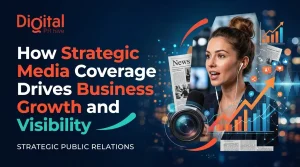
How Strategic Media Coverage Drives Business Growth and Visibility
Media Coverage plays an important role in helping businesses increase brand awareness, establish credibility, and reach wider audiences. In today’s competitive digital environment, companies need more than traditional advertising to attract attention and build lasting relationships with customers. Being featured in newspapers, magazines, online publications, industry websites, and digital media platforms can help businesses communicate their value and strengthen their market position.
Strategic Media Coverage allows organizations to share important announcements, promote achievements, introduce new products, and establish themselves as trusted industry voices. When supported by effective Influencer Outreach, a well-planned Online PR Strategy, and modern Digital Public Relations, media exposure can create meaningful opportunities for business development.
What Is Media Coverage and Why Does It Matter?
Media Coverage refers to the exposure a business, brand, product, or organization receives through different media channels. It includes news articles, interviews, press releases, online publications, television appearances, podcasts, and industry features. This exposure helps businesses communicate important information and reach audiences beyond their existing customer base.
Understanding the Importance of Media Exposure
Media exposure helps businesses introduce their brands to people who may not have discovered their products or services through traditional marketing channels. When a company receives attention from relevant publications, it can increase recognition and encourage potential customers to learn more about its offerings.
Positive media mentions can also strengthen brand credibility. Audiences may view a business more favorably when its expertise, achievements, or announcements are discussed by established publications.
Why Strategic Media Coverage Matters
Not all media exposure delivers the same value. A business receiving coverage from a relevant industry publication may attract more qualified attention than one receiving exposure from an unrelated platform.
Strategic media planning focuses on selecting appropriate publications, developing newsworthy stories, and communicating with audiences who are likely to be interested in the business. This makes media activities more purposeful and supports measurable marketing objectives.
How Media Coverage Increases Brand Visibility
 Brand visibility refers to how easily customers recognize and discover a business across different communication channels. Media coverage expands brand exposure by introducing companies to new audiences through trusted publications, digital platforms, and industry conversations.
Reaching New Target Audiences
Businesses can use media coverage to reach people outside their existing marketing networks. A feature in an industry publication, for example, may introduce a company to potential customers, investors, partners, and professionals who have never interacted with the brand.
This expanded exposure creates opportunities to generate website visits, social media engagement, inquiries, and new business relationships. Choosing publications that attract relevant audiences makes this visibility more valuable.
Strengthening Brand Recognition
Consistent media mentions help audiences become more familiar with a company’s name, products, and expertise. When customers repeatedly encounter useful information about a brand across credible media platforms, recognition can gradually improve.
Businesses should maintain consistent messaging across press releases, interviews, articles, and other media communications. A recognizable brand identity makes it easier for audiences to remember and understand what the company offers.
The Role of Online PR Strategy in Business Growth
An effective Online PR Strategy helps businesses manage their public image and build relationships with digital publications, journalists, bloggers, and industry communities. It combines media communication, content distribution, relationship development, and reputation management to increase online visibility and support business objectives.
Building Relationships with Online Publications
Developing relationships with relevant online publications can improve opportunities for media mentions, interviews, guest contributions, and expert commentary.
Businesses should identify publications that regularly cover their industry and understand the type of stories their audiences prefer. Providing accurate information, useful insights, and relevant announcements can make a company a valuable source for journalists and editors.
Creating Newsworthy Content
Successful public relations depends on sharing information that offers genuine value to audiences. Product launches, company milestones, industry research, business partnerships, and innovative solutions can provide useful opportunities for media attention.
Companies should develop clear press releases and supporting materials that explain why a particular announcement matters. Strong storytelling increases the likelihood that journalists and publications will consider covering the story.
How Influencer Outreach Expands Media Exposure
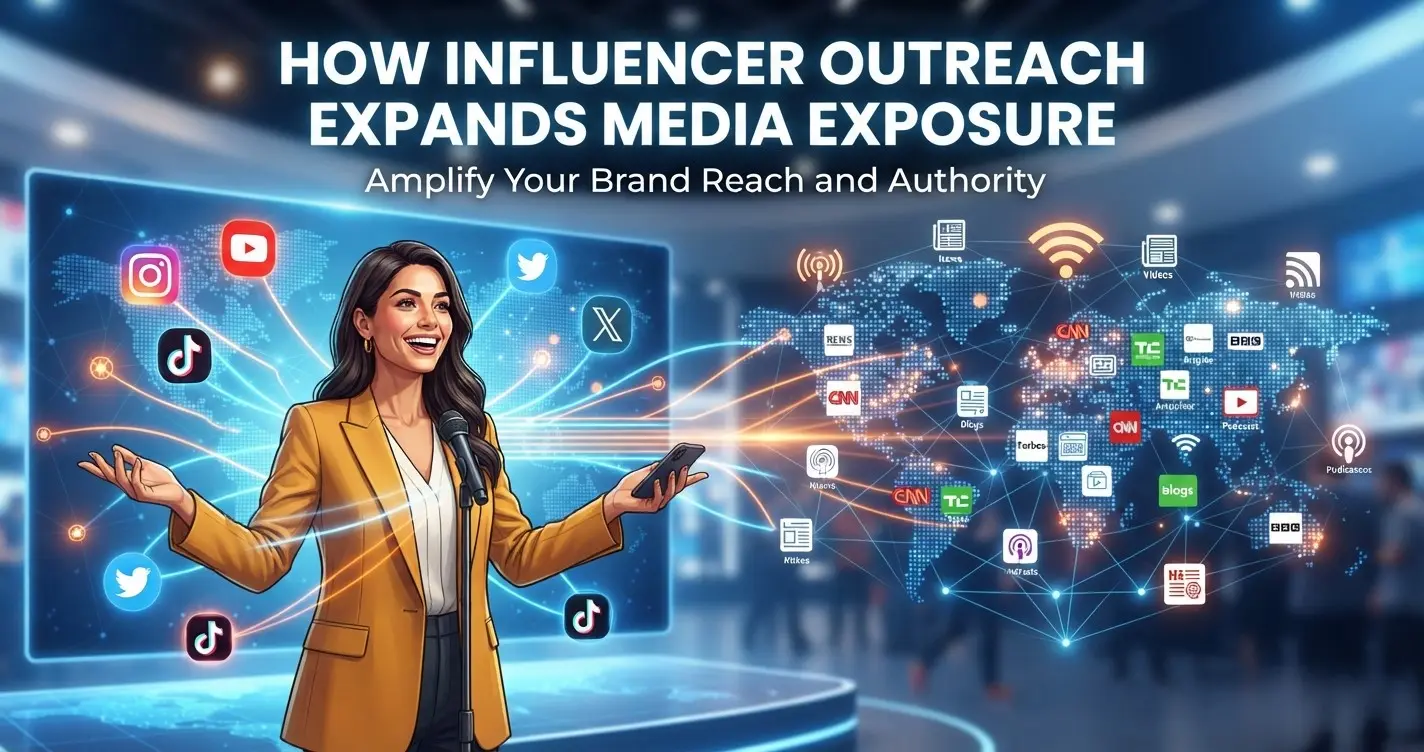 Influencer Outreach involves building professional relationships with content creators, industry experts, and influential personalities who can introduce a brand to their audiences. When integrated with media relations, influencer outreach can expand brand exposure, encourage engagement, and support broader communication campaigns.
Connecting with Relevant Influencers
Businesses should identify influencers whose audiences align with their products, services, and marketing objectives. Relevant creators can help brands communicate with specific communities through reviews, interviews, sponsored content, and collaborative campaigns.
The quality of an influencer’s audience and engagement is often more important than follower count alone. Companies should evaluate content relevance, audience interests, engagement patterns, and professional credibility before developing partnerships.
Developing Meaningful Collaborations
Successful influencer relationships require authentic communication and mutually beneficial opportunities. Businesses can collaborate with creators through product demonstrations, expert discussions, industry events, and educational content.
These collaborations can generate additional media attention when the stories are relevant and interesting to wider audiences. Combining influencer relationships with traditional media outreach can create a more connected brand communication strategy.
How Digital Public Relations Strengthens Brand Authority
Digital Public Relations focuses on improving a brand’s reputation, visibility, and relationships through online communication channels. It includes digital media outreach, online publications, industry commentary, content partnerships, and reputation management. These activities help businesses establish authority and maintain meaningful connections with their target audiences.
Establishing Industry Expertise
Digital PR provides opportunities for businesses to demonstrate their knowledge through expert interviews, industry articles, research reports, and professional commentary.
When company representatives consistently contribute useful information, audiences may begin recognizing the organization as a knowledgeable source within its industry. This can strengthen professional credibility and support long-term brand positioning.
Building Online Brand Trust
Trust develops when businesses communicate transparently and provide accurate, valuable information. Digital public relations helps organizations maintain consistent messaging across online publications, media platforms, and professional communities.
Positive and relevant media mentions can support a company’s reputation. However, businesses should prioritize authentic communication rather than focusing only on the number of publications mentioning their brand.
How Media Coverage Generates Business Opportunities
Media coverage can create opportunities that extend beyond brand awareness. By reaching new audiences and strengthening professional credibility, businesses can attract potential customers, establish partnerships, and generate interest from investors or other stakeholders.
Generating Qualified Leads
Media exposure can introduce products and services to people who are actively interested in a particular industry. When a business receives relevant coverage, interested readers may visit its website, explore its offerings, or contact its sales team.
Companies can support this process by including clear website information, relevant landing pages, and useful resources in their media communications. This helps interested audiences move from discovering a brand to considering its products or services.
Attracting Business Partnerships
Media visibility can help businesses connect with distributors, suppliers, investors, and strategic partners. Organizations that demonstrate industry knowledge and communicate their achievements effectively may attract attention from professionals looking for collaboration opportunities.
Coverage of successful projects, partnerships, and business innovations can strengthen a company’s professional image and create opportunities for future growth.
Effective Media Coverage Strategies for Modern Businesses
 Developing a successful media strategy requires consistent planning, relevant storytelling, and strong relationships with media professionals. Businesses should focus on understanding their communication objectives and selecting the channels that provide meaningful opportunities to reach their intended audiences.
Develop a Consistent Media Outreach Plan
A structured media outreach plan helps organizations coordinate announcements, identify relevant journalists, and maintain regular communication with publications.
Businesses should prepare a media contact database, organize important company updates, and develop press materials before approaching journalists. Personalized communication is generally more effective than sending identical promotional messages to every publication.
Use Multiple Media Channels
Modern media coverage extends across newspapers, magazines, digital publications, podcasts, television, and social media platforms. Businesses can combine these channels to reach different audience groups and communicate their messages in appropriate formats. For example, an industry interview may provide detailed expertise, while a social media mention can encourage wider discussion and engagement.
How to Measure the Success of Media Coverage
Measuring media performance helps businesses understand whether their public relations activities are achieving meaningful results. Instead of focusing exclusively on publication counts, organizations should evaluate audience relevance, engagement, referral traffic, brand sentiment, and business outcomes.
Tracking Media Mentions and Reach
Businesses can monitor how frequently their brand appears in relevant publications and estimate the potential audience exposure generated by those mentions.
However, potential reach does not necessarily represent actual readership or engagement. Companies should consider publication relevance, audience quality, article placement, and the context of each mention when evaluating performance.
Measuring Website Traffic and Conversions
Referral traffic provides useful information about how media coverage influences website visits. Businesses can use analytics platforms to identify visitors arriving from publications, interviews, and other media sources.
Tracking inquiries, newsletter subscriptions, downloads, and purchases can help organizations understand whether media exposure contributes to meaningful business outcomes.
Evaluating Brand Sentiment
Brand sentiment helps businesses understand whether media discussions and audience reactions are positive, negative, or neutral. Monitoring online conversations, customer feedback, and publication coverage can reveal how audiences perceive a company. These insights help organizations improve their communication strategies and address potential reputation concerns.
Common Media Coverage Mistakes Businesses Should Avoid
Although media exposure can create valuable opportunities, poorly planned public relations activities may produce limited results. Businesses should understand common mistakes and focus on building authentic relationships with media professionals and audiences.
Focusing Only on Quantity
Receiving mentions from many unrelated publications does not necessarily improve business performance. Companies should prioritize relevant, credible media platforms that reach their intended audiences.
Using Overly Promotional Messages
Journalists and readers generally look for informative and newsworthy content rather than advertisements presented as news. Businesses should focus on useful stories, industry insights, and meaningful announcements instead of excessive promotional language.
Ignoring Long-Term Relationships
Media relationships require consistent communication and professional trust. Businesses that contact journalists only when they need publicity may miss opportunities to build lasting connections.
Maintaining professional relationships, providing accurate information, and respecting editorial requirements can support more sustainable media exposure.
The Future of Media Coverage in Digital Marketing
The media landscape continues to evolve as artificial intelligence, social media, online publications, and digital communication platforms influence how people discover information. Businesses must adapt their media strategies to changing audience expectations and emerging technologies.
AI-powered media monitoring can help organizations identify brand mentions, analyze public sentiment, and discover relevant media opportunities. Meanwhile, digital publications and creator-led platforms are creating additional ways for businesses to share their stories.
Authenticity, transparency, and audience relevance will remain important elements of successful public relations. Organizations that combine traditional media relationships with modern digital communication strategies can improve visibility and maintain stronger connections with their audiences.
Conclusion
Strategic Media Coverage is an important part of modern business growth because it helps organizations increase visibility, establish credibility, and connect with new audiences. Through relevant publications, meaningful storytelling, and consistent communication, businesses can strengthen their market presence and create valuable professional relationships.
Combining Influencer Outreach, an effective Online PR Strategy, and well-planned Digital Public Relations can further expand media exposure and improve brand communication. However, successful media coverage requires more than obtaining publicity. Businesses must focus on audience relevance, authentic relationships, valuable information, and measurable results. Organizations that invest in long-term media strategies can strengthen their reputation, attract potential customers, develop business partnerships, and create sustainable opportunities for growth.
Frequently Asked Questions (FAQs)
1. What is Media Coverage in business?
Media Coverage refers to the exposure a business receives through newspapers, magazines, online publications, interviews, podcasts, television, and other media channels. It helps organizations increase visibility and communicate their achievements, products, and expertise.
2. How does Media Coverage help businesses grow?
Media Coverage helps businesses reach new audiences, strengthen brand credibility, generate website traffic, and attract potential customers. It can also create opportunities for partnerships and improve long-term brand recognition.
3. Why is Media Coverage important for brand awareness?
Media Coverage introduces businesses to audiences through different media platforms. Consistent exposure through relevant publications helps customers become familiar with a brand and recognize its products or services.
4. What is an Online PR Strategy?
An Online PR Strategy is a planned approach to managing brand communication and building relationships with digital publications, journalists, bloggers, and online communities to improve visibility and reputation.
5. How does Influencer Outreach support Media Coverage?
Influencer Outreach helps businesses connect with content creators and industry personalities who can introduce their brands to relevant audiences. These collaborations can increase engagement and create additional media exposure.
6. What is Digital Public Relations?
Digital Public Relations involves managing brand reputation and building relationships through online media platforms, digital publications, content partnerships, and professional communication channels.
7. Which media channels are best for business promotion?
The most suitable channels depend on the target audience and industry. Online publications, industry magazines, newspapers, podcasts, television, and social media platforms can all support business promotion.
8. How can small businesses get media coverage?
Small businesses can approach relevant journalists, publish newsworthy announcements, share expert insights, participate in industry events, and build relationships with local and digital publications.
9. How can businesses measure Media Coverage performance?
Businesses can measure media performance through brand mentions, publication relevance, audience reach, referral traffic, engagement, brand sentiment, and conversions generated by media activities.
10. How often should businesses focus on Media Coverage?
Media Coverage should be part of an ongoing communication strategy. Businesses should maintain regular media relationships and share meaningful updates whenever they have relevant announcements, achievements, or industry insights.