The Importance of Public Relations Strategy in Digital Marketing
Building a recognizable and trustworthy brand requires more than publishing content or promoting products through digital advertising. Businesses need consistent communication, positive public perception, and meaningful relationships with their target audiences. A well-planned Public Relations Strategy helps organizations communicate their values, share important updates, manage public opinions, and establish credibility across digital platforms. It also connects traditional public relations activities with modern digital marketing channels to create a stronger brand presence.
In today’s competitive online environment, customers frequently research businesses before making purchasing decisions. News articles, social media discussions, online reviews, and media coverage can influence how people perceive a company. An effective Public Relations Strategy helps businesses manage these interactions while improving brand awareness and customer confidence. By combining Online Media Relations, Brand Mentions, and Online Brand Visibility, organizations can strengthen their digital reputation and support long-term marketing objectives.
Understanding Public Relations Strategy in Digital Marketing
A Public Relations Strategy is a planned approach that helps businesses manage communication with customers, journalists, industry professionals, stakeholders, and the general public. Its primary purpose is to develop a positive brand image through consistent messaging, meaningful engagement, and trustworthy information.
In digital marketing, public relations extends beyond traditional newspapers, magazines, and television coverage. Businesses now use online publications, social media platforms, industry websites, digital communities, and influencer partnerships to communicate with audiences. These channels provide opportunities to reach relevant people while maintaining a consistent brand identity.
The Connection Between Public Relations and Digital Marketing
Public relations and digital marketing share several objectives, including increasing brand awareness, improving audience engagement, and building customer trust. However, they approach these goals through different methods. Digital marketing often focuses on measurable activities such as website traffic, lead generation, and conversions, while public relations emphasizes reputation, credibility, and public communication.
Combining both approaches creates a more balanced marketing strategy. Public relations can generate media attention and positive brand discussions, while digital marketing helps distribute that information through search engines, social media, email campaigns, and other digital channels.
Why Businesses Need a Clear PR Strategy
Without a defined communication strategy, businesses may struggle to maintain consistent messaging across different platforms. Conflicting announcements, delayed responses, and unclear brand communication can negatively affect public perception.
A clear PR strategy establishes communication priorities, identifies target audiences, and determines how businesses should respond to different situations. It also helps marketing teams coordinate promotional activities with media outreach, content publishing, and reputation management initiatives.
How Public Relations Strategy Builds Brand Reputation
 Brand reputation influences how customers, employees, investors, and business partners evaluate an organization. A positive reputation can strengthen customer confidence, improve purchasing decisions, and create opportunities for long-term business relationships.
A strong Public Relations Strategy helps businesses develop this reputation through transparent communication, relevant information, and consistent engagement. Instead of relying entirely on promotional messages, organizations can demonstrate their expertise and reliability through informative content, industry participation, and credible media coverage.
Establishing Brand Credibility Through Media Coverage
Media coverage provides opportunities for businesses to communicate their achievements, industry knowledge, product developments, and organizational activities. When reputable publications feature a company, readers may become more familiar with its services and expertise.
Businesses can improve media coverage by sharing newsworthy information, preparing useful industry insights, and maintaining professional relationships with journalists. Credible coverage can strengthen brand recognition, although media placement does not automatically guarantee positive customer opinions or increased sales.
Maintaining Consistent Brand Communication
Consistency is essential for building a recognizable brand identity. Businesses should maintain similar messaging, values, and communication standards across websites, social media platforms, press releases, and external publications.
A consistent communication approach reduces confusion and helps audiences understand what an organization represents. It also makes it easier for marketing and public relations teams to coordinate campaigns while maintaining a professional brand image.
Strengthening Online Media Relations for Better Brand Awareness
Online Media Relations plays an important role in modern public relations because digital publications and online journalists influence how audiences discover businesses and industry developments. Maintaining professional relationships with relevant media professionals allows organizations to share useful information and increase opportunities for credible coverage.
Businesses should focus on providing accurate information, relevant stories, and timely responses rather than sending repetitive promotional messages. Strong media relationships can support brand awareness while creating opportunities for meaningful industry exposure.
Building Relationships With Digital Journalists
Digital journalists regularly search for reliable sources, expert opinions, industry information, and relevant business developments. Organizations can become valuable media sources by sharing accurate data, offering knowledgeable representatives, and responding professionally to media inquiries.
Long-term relationships develop through consistency and mutual respect. Businesses should understand each publication’s audience and editorial requirements before approaching journalists. This helps ensure that communication remains relevant and increases the possibility of meaningful media engagement.
Creating Newsworthy Press Releases
Press releases help organizations communicate important announcements, product launches, company milestones, partnerships, and industry developments. An effective press release presents accurate information in a clear structure while explaining why the announcement matters to its intended audience.
Businesses should avoid excessive promotional language and focus on information that provides genuine value. Including relevant facts, expert statements, and appropriate contact information can make press releases more useful for journalists and online publications.
The Role of Brand Mentions in Digital Marketing Success
Brand Mentions refer to online references to a company, product, service, or brand name across websites, news publications, blogs, social media platforms, and digital communities. These mentions help businesses understand how frequently people discuss their organizations and where conversations are taking place.
A Public Relations Strategy can encourage meaningful brand mentions by creating newsworthy stories, developing media relationships, participating in industry discussions, and sharing valuable information. Monitoring these mentions also helps organizations understand public perception and identify communication opportunities.
Increasing Brand Recognition Through Online Discussions
When customers, journalists, industry experts, and publishers discuss a business online, more people may become familiar with its products and services. Relevant brand mentions can introduce organizations to audiences who may not have discovered them through traditional advertising.
Businesses should encourage authentic discussions by providing useful information and maintaining positive customer relationships. They should also avoid artificial engagement tactics because misleading promotional activity can damage brand credibility.
Monitoring Brand Mentions and Public Sentiment
Brand monitoring helps organizations identify where their names appear online and understand the context of public discussions. Businesses can use monitoring tools to track mentions, review customer feedback, identify emerging concerns, and discover relevant media opportunities.
Sentiment analysis can help classify discussions as positive, negative, or neutral. However, automated sentiment tools may misunderstand context, sarcasm, or complex conversations. Human review remains important when evaluating sensitive brand-related discussions.
Improving Online Brand Visibility Through Public Relations
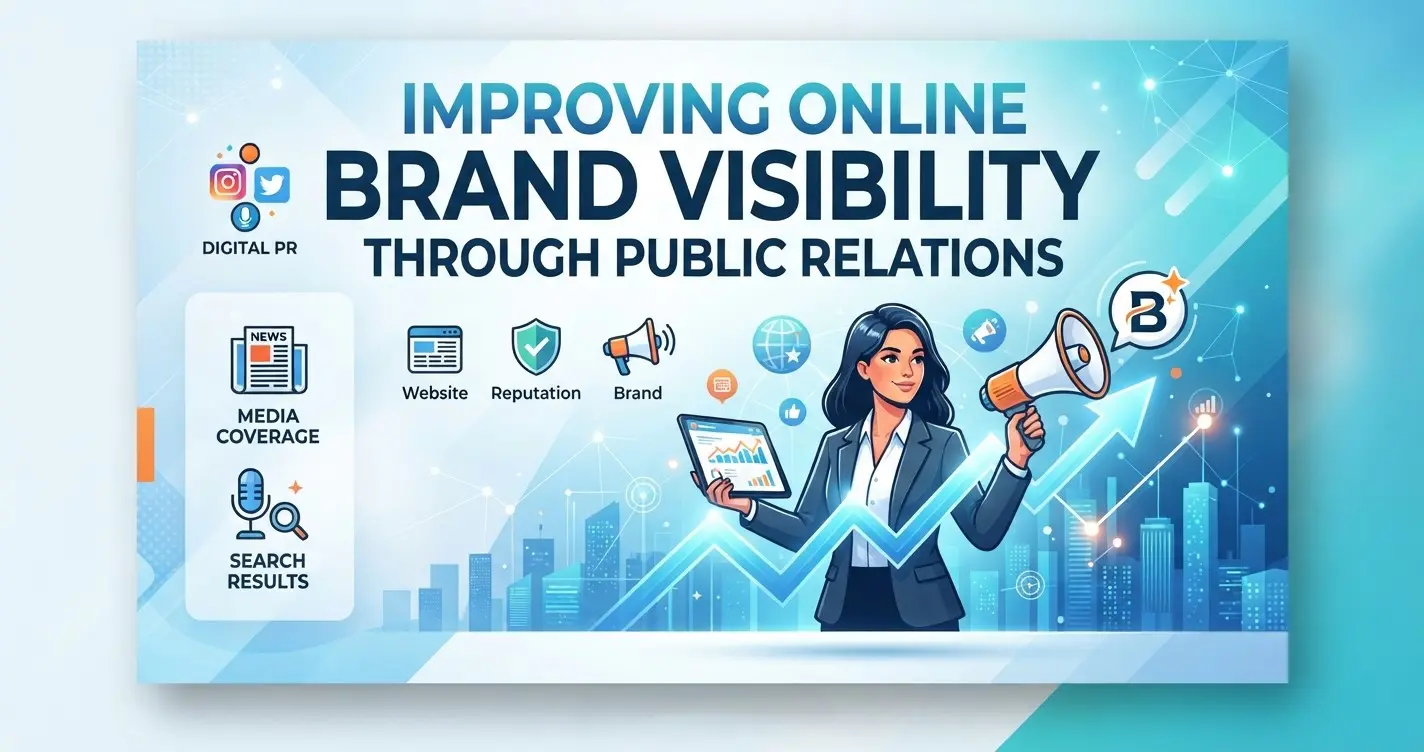 Online Brand Visibility describes how easily audiences can discover and recognize a business across digital platforms. It depends on several factors, including search engine presence, media exposure, content distribution, social engagement, and brand recognition.
Public relations supports online visibility by generating relevant media coverage, earning editorial references, and introducing businesses to new audiences. When these activities work alongside SEO and content marketing, organizations can create a stronger digital presence and improve opportunities for customer discovery.
Supporting SEO Through Digital PR
Digital public relations can support search engine optimization by helping businesses earn relevant editorial coverage and references from authoritative websites. These opportunities may introduce new audiences to a company’s website and strengthen its online reputation.
Quality should remain more important than the number of placements. Businesses should focus on relevant publications, genuine editorial value, and natural references rather than purchasing low-quality links or pursuing manipulative link-building practices. Media coverage and backlinks can support SEO, but neither guarantees higher search rankings.
Expanding Reach Through Social Media Platforms
Social media platforms allow businesses to distribute public announcements, share media coverage, communicate with customers, and participate in industry discussions. These channels also provide opportunities to respond quickly to questions and understand audience reactions.
An integrated PR and social media strategy helps organizations maintain consistent communication across digital channels. Sharing useful stories, company updates, expert opinions, and relevant media coverage can increase audience awareness while strengthening relationships with existing followers.
Using Content Marketing to Strengthen Public Relations
Content marketing and public relations work effectively together because both depend on communicating useful and relevant information. Businesses can use articles, interviews, industry reports, expert commentary, case studies, and educational resources to demonstrate their knowledge and communicate their brand values.
A coordinated content strategy also gives journalists and industry professionals useful materials when researching relevant topics. Instead of focusing exclusively on promotional content, organizations should develop information that answers audience questions and contributes meaningful perspectives to industry discussions.
Developing Valuable Brand Stories
Brand storytelling helps organizations communicate their history, values, achievements, and business objectives in a relatable way. Authentic stories can help audiences understand what makes a company different and why its products or services may be valuable.
Businesses can develop stories around customer experiences, employee contributions, innovation, community involvement, and important organizational milestones. These narratives can be adapted for websites, press releases, social media campaigns, and external publications while maintaining consistent messaging.
Distributing Content Across Relevant Channels
Content distribution determines how effectively information reaches its intended audience. Businesses should select channels based on audience preferences, publication relevance, and communication objectives rather than publishing identical material everywhere.
For example, an industry report may be suitable for professional publications, while a short company announcement may perform better on social media. Coordinated distribution helps organizations extend content reach and maintain consistent brand communication across different digital environments.
Crisis Communication and Online Reputation Management
Every organization may experience situations that affect public perception, including customer complaints, negative reviews, service disruptions, misleading information, or unexpected business developments. A structured public relations strategy helps companies respond professionally and maintain communication during difficult situations.
Crisis communication requires preparation, transparency, and timely responses. Businesses should establish clear responsibilities before problems occur so that important decisions can be made without unnecessary delays. An effective response can help reduce confusion and demonstrate organizational accountability.
Responding to Negative Public Feedback
Negative feedback should be handled carefully because ignoring customer concerns can create additional reputation problems. Businesses should understand the issue, verify relevant information, and provide a professional response that addresses the customer’s actual concern.
When mistakes occur, organizations should acknowledge responsibility and explain the corrective actions being taken. Defensive or misleading statements may increase public frustration, while transparent communication can help rebuild customer confidence over time.
Preparing a Crisis Communication Plan
A crisis communication plan establishes how an organization will manage unexpected public relations challenges. It should identify communication responsibilities, approval procedures, response channels, and methods for verifying information before publishing official statements.
Businesses should also monitor digital conversations and evaluate potential risks before they become larger reputation issues. Regular preparation helps employees understand their responsibilities and supports more coordinated communication when unexpected situations arise.
Measuring the Performance of a Public Relations Strategy
 Measuring PR performance helps businesses understand whether their communication activities are supporting marketing and organizational objectives. Instead of evaluating success through media coverage alone, organizations should consider audience engagement, brand recognition, website referrals, sentiment, and the quality of media placements.
Clear performance measurements also help marketing teams identify successful activities and improve future campaigns. Businesses should establish realistic targets before launching PR initiatives so that results can be evaluated against meaningful objectives.
Tracking Media Coverage and Audience Engagement
Media monitoring tools help organizations track published articles, online discussions, publication reach, and relevant brand mentions. Social media analytics can provide additional information about audience engagement, content interactions, and referral activity.
Businesses should evaluate the relevance and quality of coverage rather than focusing only on publication volume. A smaller number of placements in highly relevant industry publications may provide more meaningful exposure than numerous unrelated mentions.
Evaluating Website Traffic and Brand Awareness
Website analytics can help businesses understand whether PR activities introduce new visitors to their digital platforms. Referral traffic, branded search activity, landing page engagement, and qualified inquiries can provide useful information about campaign performance.
However, businesses should recognize that reputation improvements and brand awareness may take time to influence purchasing decisions. Combining quantitative analytics with customer feedback and media sentiment provides a more complete understanding of PR effectiveness.
Conclusion
A well-developed Public Relations Strategy plays an important role in digital marketing by strengthening brand reputation, improving communication, and creating meaningful relationships with audiences. Through effective Online Media Relations, organizations can increase opportunities for credible media coverage, while monitoring Brand Mentions helps them understand public perception and identify emerging opportunities.
At the same time, consistent communication, digital PR activities, and valuable content distribution can improve Online Brand Visibility across relevant platforms. Businesses that combine public relations with SEO, content marketing, social media, and reputation management can develop a more comprehensive digital presence. Ultimately, a strategic and consistent approach to public relations helps organizations build customer trust, strengthen brand recognition, and support sustainable business growth.
Frequently Asked Questions (FAQs)
1. What Is a Public Relations Strategy in Digital Marketing?
A Public Relations Strategy in digital marketing is a planned communication approach that helps businesses manage their online reputation, increase brand awareness, and build relationships with audiences. It uses digital publications, social media, press releases, and other online channels to communicate brand messages.
2. Why Is Public Relations Important for Businesses?
Public relations helps businesses develop credibility, maintain positive public relationships, and communicate important information. It also supports brand recognition, customer trust, reputation management, and long-term business growth.
3. How Does Public Relations Support Digital Marketing?
Public relations supports digital marketing by generating media coverage, encouraging brand discussions, improving online visibility, and strengthening brand credibility. These activities can complement SEO, social media marketing, and content distribution strategies.
4. What Is Online Media Relations?
Online Media Relations refers to building and maintaining professional relationships with digital journalists, online publishers, bloggers, and media organizations. It helps businesses share newsworthy information and create opportunities for relevant media coverage.
5. How Do Brand Mentions Improve Brand Awareness?
Brand Mentions introduce businesses to audiences through online articles, social media discussions, reviews, and industry publications. Relevant mentions can increase brand recognition and help organizations reach people who may not have discovered their services otherwise.
6. What Is Online Brand Visibility?
Online Brand Visibility refers to how easily people can discover and recognize a business across digital platforms. It can improve through media coverage, search engine optimization, social media engagement, content marketing, and consistent brand communication.
7. How Can Businesses Build an Effective Public Relations Strategy?
Businesses can build an effective PR strategy by identifying target audiences, establishing communication objectives, developing relevant stories, maintaining media relationships, and monitoring public feedback. Regular performance evaluation helps organizations improve their communication activities.
8. How Does Digital PR Help SEO?
Digital PR can support SEO by generating relevant editorial coverage, increasing referral traffic, and creating opportunities to earn natural backlinks from reputable websites. These activities can strengthen online authority, although they do not guarantee specific search engine rankings.
9. How Should Businesses Handle Negative Publicity?
Businesses should respond to negative publicity with accurate information, transparency, and professional communication. They should investigate the issue, acknowledge valid concerns, explain corrective actions, and monitor public responses to maintain trust.
10. How Can Businesses Measure Public Relations Performance?
Businesses can measure PR performance through media coverage, brand mentions, audience engagement, website referral traffic, sentiment analysis, branded search activity, and qualified leads. Combining these indicators provides a clearer understanding of communication effectiveness and brand growth.